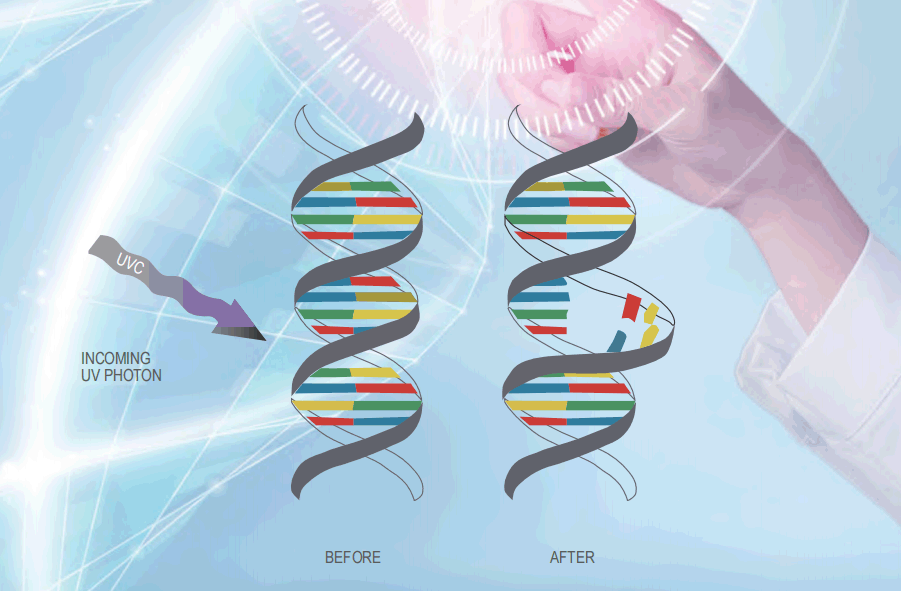
Compare UV LED vs mercury for medical device HLD and cold chain packaging disinfection. Learn how 260-285nm UVC modules enable chemical-free, low-temp sterilization.
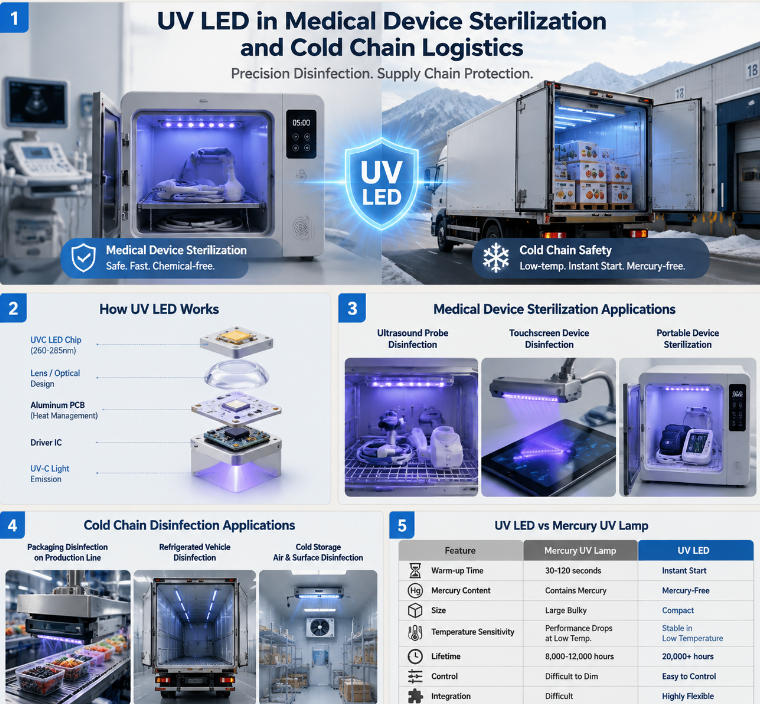
High-level disinfection of medical instruments and biosecurity in cold chain logistics are two of the most promising real-world applications for UV LED technology today.
They look different on the surface. One involves precision electronics in a hospital. The other involves pallets of produce moving through refrigerated trucks. But they share the same underlying constraint: you need to kill pathogens quickly, without heat, without chemicals, and without damaging what you're disinfecting.
Medical devices—ultrasound probes, endoscopes, electronic monitors—can't go through an autoclave. Chemical disinfectants leave residues and take 20 to 45 minutes to work. Cold chain operators face similar constraints: product dwell time is measured in seconds, not minutes; mercury lamps warm up too slowly and lose output at low temperatures; and a broken mercury lamp inside a shipment of seafood or vaccines is a food safety nightmare.
UVC LED addresses both. It starts instantly. It runs at low temperatures without performance loss. It contains no mercury. And it can be engineered to fit into tight spaces—an ultrasound probe cabinet or a refrigerated truck's air handling unit.
This article covers how UVC LED is being deployed in both sectors, what the market data actually shows, and why equipment manufacturers who integrate it now are positioning themselves ahead of the regulatory curve.
Hospital UV disinfection has historically meant room-level or surface-level treatment—UV wands, cabinet sterilizers, or ceiling-mounted fixtures that run when the room is empty. That's still important. But the real growth is now happening at the instrument level.
Ultrasound probes, endoscopes, and electronic monitors are categorized as "semicritical items"—they contact mucous membranes or non-intact skin and require high-level disinfection (HLD) before each use.
The standard approach for HLD has been chemical disinfectants: glutaraldehyde, peracetic acid, hydrogen peroxide. They work, but:
● They take 20 to 45 minutes per cycle
● They're hazardous to clinical staff
● They degrade sensitive electronic components over time
● They require ventilation and specialized handling
UVC LED reduces that cycle to 90 seconds. That's not a lab projection—it's been demonstrated in peer-reviewed research and is now being commercialized in products like the Lumicare ONE (Red Dot Design Award 2026 winner), which uses UVC LED to automate ultrasound probe disinfection with a single button.
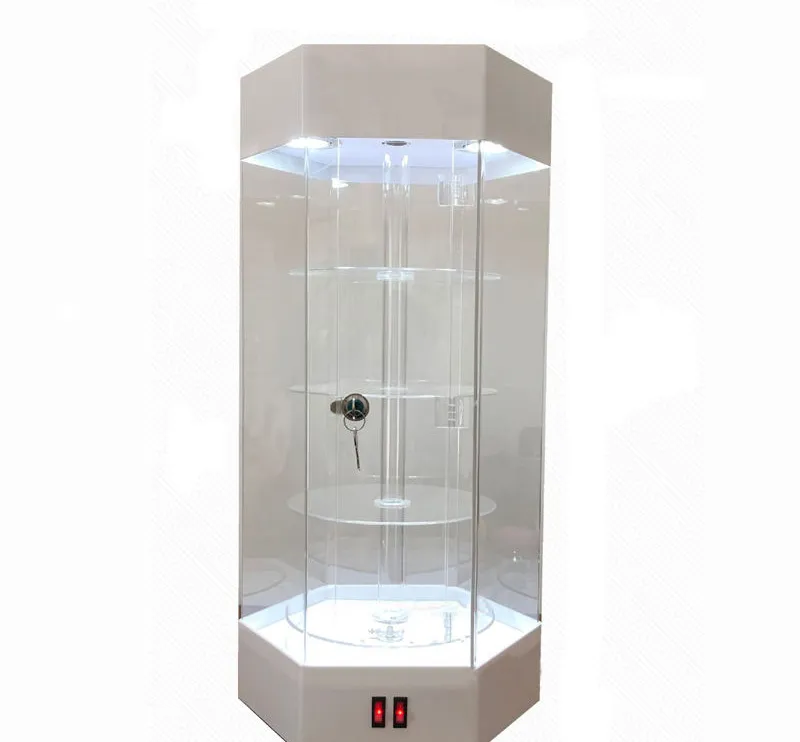
1. Ultrasound probe disinfection cabinets
This is the most mature medical use case. Probes are placed in a cabinet equipped with UVC LED arrays. The system runs a complete disinfection cycle in minutes, not hours. A 2026 study evaluated a UVC LED-based HLD system on complex ultrasound probe geometries and confirmed it consistently achieved high-level disinfection—meaning it meets the same standard as chemical methods, without the chemical hazards.
2. Self-disinfecting touchscreens and portable devices
Blood pressure monitors, glucose meters, nurse station tablets—these are touched hundreds of times a day by different hands. Researchers have now integrated UVC LEDs directly into touchscreen displays, directing UV light horizontally across the screen surface. The system automatically disinfects after each touch, with dual safety interlocks to ensure UVC never reaches the user.
3. UVC LED disinfection cabinets
For smaller devices—phones, tablets, portable monitors—cabinets equipped with UVC LED modules can complete a full surface disinfection cycle in 3 to 5 minutes. No chemicals. No residue. No waiting for the unit to cool down.
The medical UV disinfection equipment market was valued at $1.19 billion in 2025 and is projected to reach $2.31 billion by 2031 (CAGR 12.05%). The growth is driven by three factors:
● Continued global focus on preventing healthcare-associated infections (HAIs)
● Rapid proliferation of precision medical devices that can't tolerate heat or chemical exposure
● UVC LED technology maturation—output power continues to rise, lifetime now exceeds 20,000 hours, and costs are steadily declining
For medical device OEMs, the takeaway is straightforward: if you're developing equipment that requires built-in disinfection—ultrasound probe cabinets, portable scope sterilizers, self-sterilizing touchscreen monitors—UVC LED is moving from optional to expected. Products that integrate it now will have a clear competitive advantage over those that wait for the next technology cycle.
Cold chain disinfection has historically been difficult to solve.
Fresh produce, meat, and seafood pick up pathogens at multiple points between the field and the retail shelf. Traditional methods—chemical sprays, ozone fumigation—have drawbacks: they leave residues, require ventilation, and can be hazardous to workers.
Mercury-based UV lamps have been tried, but they struggle in cold environments. Warm-up time is longer at low temperatures. Output drops. And if a mercury lamp breaks inside a refrigerated truck, the entire shipment is compromised.
For cold chain operators, UVC LED solves problems that mercury lamps simply can't address:
It starts instantly at low temperatures. No warm-up period. No output drop in refrigerated environments. This matters on a packaging line where products move through the disinfection zone in seconds.
It cycles on and off with the production line. Unlike mercury lamps, which degrade with frequent cycling, UVC LEDs can be switched on and off as needed—saving energy and extending system life.
It contains no mercury. A broken LED module doesn't contaminate food or packaging. For a seafood exporter shipping product overseas, that eliminates a whole category of risk.
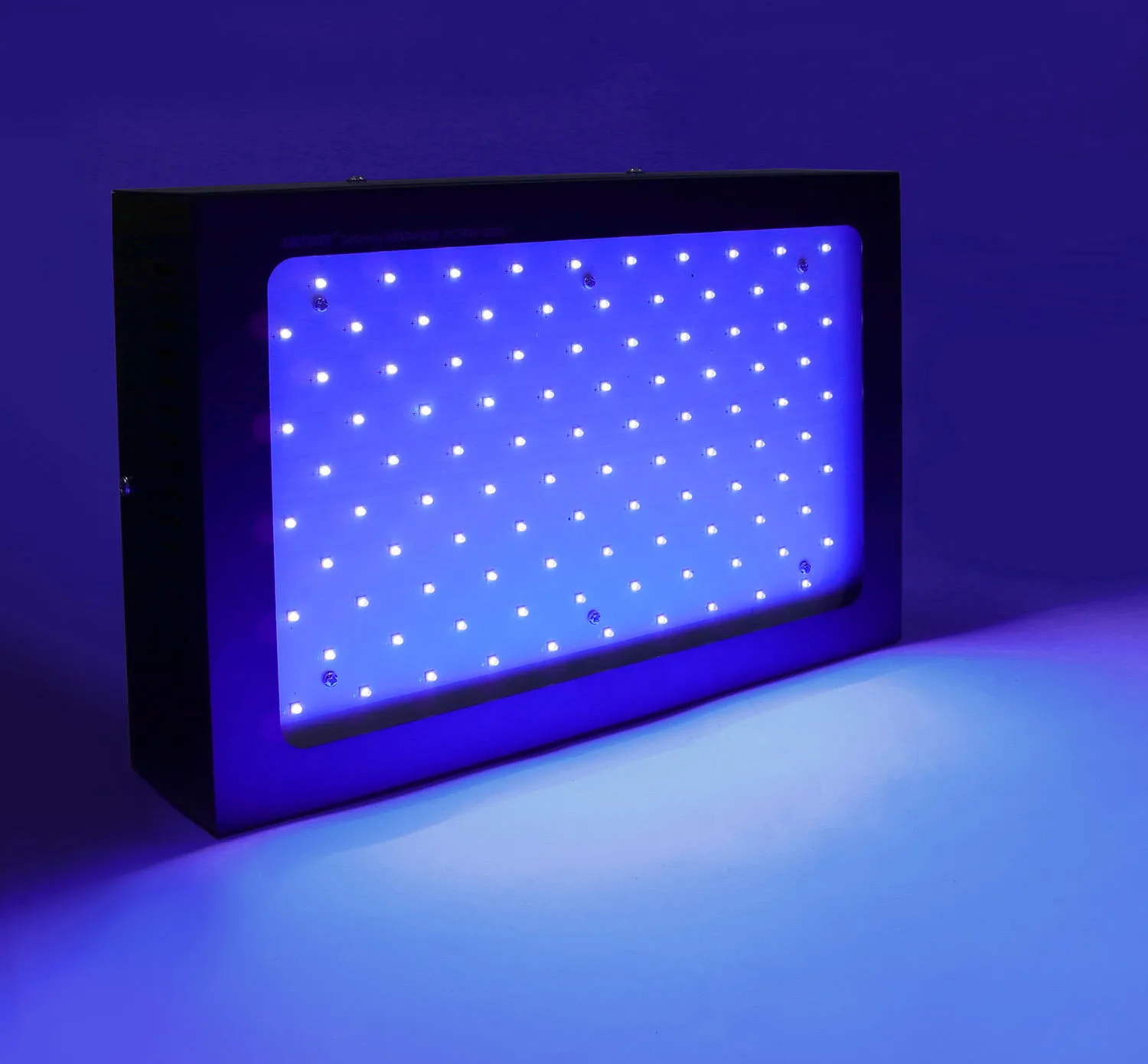
This is the most established cold chain application. Fresh-cut produce, meat cuts, and packaged seafood pass under UVC LED arrays on the packaging line. The goal: reduce pathogen load on the surface before the product enters the cold chain.
A 2026 study examined 275nm UVC-LED irradiation against pathogens on fresh-cut apple surfaces. The results: effective inactivation of E. coli O157:H7, Salmonella, and Listeria monocytogenes—the common foodborne pathogens that drive recalls.
The same study noted something important: previous UV disinfection research largely reported overall microbial reduction without validating results on actual food surfaces. That's why customization matters. Different food types, different packaging materials, and different target pathogens require different wavelengths, power levels, and exposure times. Off-the-shelf solutions rarely work. Engineered solutions do.
Ice makers are one of the most overlooked contamination points in the cold chain. A study conducted by Mitacs Canada specifically developed a UVC LED disinfection system for ice makers—treating the internal water source before microbial colonization could occur. The key finding: UVC LED can block biofilm formation at the source, rather than treating contamination after it's already established.
The same principle applies to:
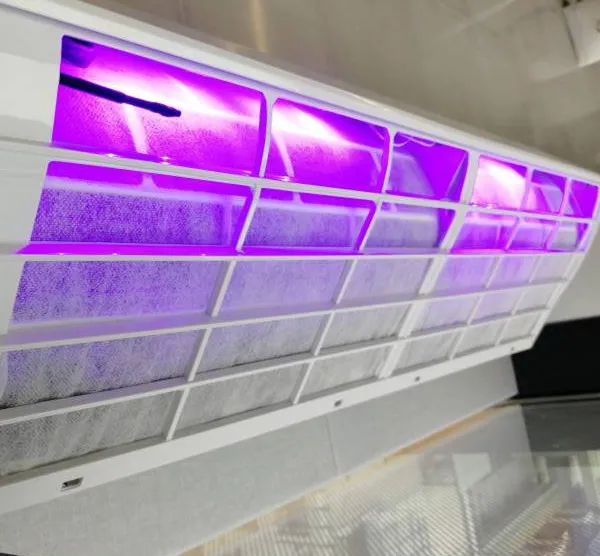
● Refrigerated truck evaporator coils
● Cold storage room air handling units
● Condensate drain pans
● Packaging line conveyor surfaces
In each case, UVC LED modules are installed directly into the equipment, running continuously or on-demand to maintain hygienic conditions without interrupting operations.
In 2026, China's national standard WS/T 10050-2026 formally included LED germicidal lamps in the same regulatory framework as mercury lamps, electrodeless UV lamps, pulsed UV lamps, and 222nm excimer lamps.
The standard explicitly positions LED germicidal lamps as disinfection tools for "small-scale, low-temperature scenarios"—including cold chains, small spaces, and low-temperature surface disinfection.
For equipment manufacturers, this is significant. The standard provides a clear regulatory basis for designing and certifying cold chain disinfection equipment. Products that align with this standard will have a clear path to market in one of the world's largest cold chain logistics markets—and the same compliance framework can serve as a reference for other markets.
The broader UV LED market crossed $1.5 billion in 2025. Medical disinfection equipment accounts for $1.19 billion of that and continues to climb. Cold chain disinfection isn't tracked as a separate segment—yet. But with Chinese national standards now recognizing UV LED for low-temperature scenarios, that's likely to change.
The global cold chain logistics market exceeded $300 billion in 2025. UVC LED penetration in cold chain disinfection remains low. The gap between these two figures is where the opportunity sits.
For companies building medical devices, cold chain equipment, or disinfection systems, UVC LED is no longer a technical curiosity. It's a competitive necessity.
The question isn't whether to integrate UV LED technology. It's who will do it first—and who will be left playing catch-up when the standards and buyer expectations catch up with the technology.
Medical device OEMs: If you're designing ultrasound probe cabinets, portable endoscope sterilizers, or self-disinfecting touchscreen equipment, UVC LED modules are becoming a standard feature. Products that integrate it early will have a differentiation advantage. Those that don't will face a features gap with competitors.
Cold chain equipment manufacturers: If you're building packaging line disinfection systems, refrigerated truck air handlers, or cold storage air disinfection units, the new Chinese standard provides clear certification pathways. The technology is mature. The regulatory framework is in place. The market is waiting for products.
Disinfection system integrators: UVC LED reduces your system's complexity—no mercury handling, no warm-up controls, no regular lamp replacement. It simplifies both design and maintenance, while improving end-user safety.
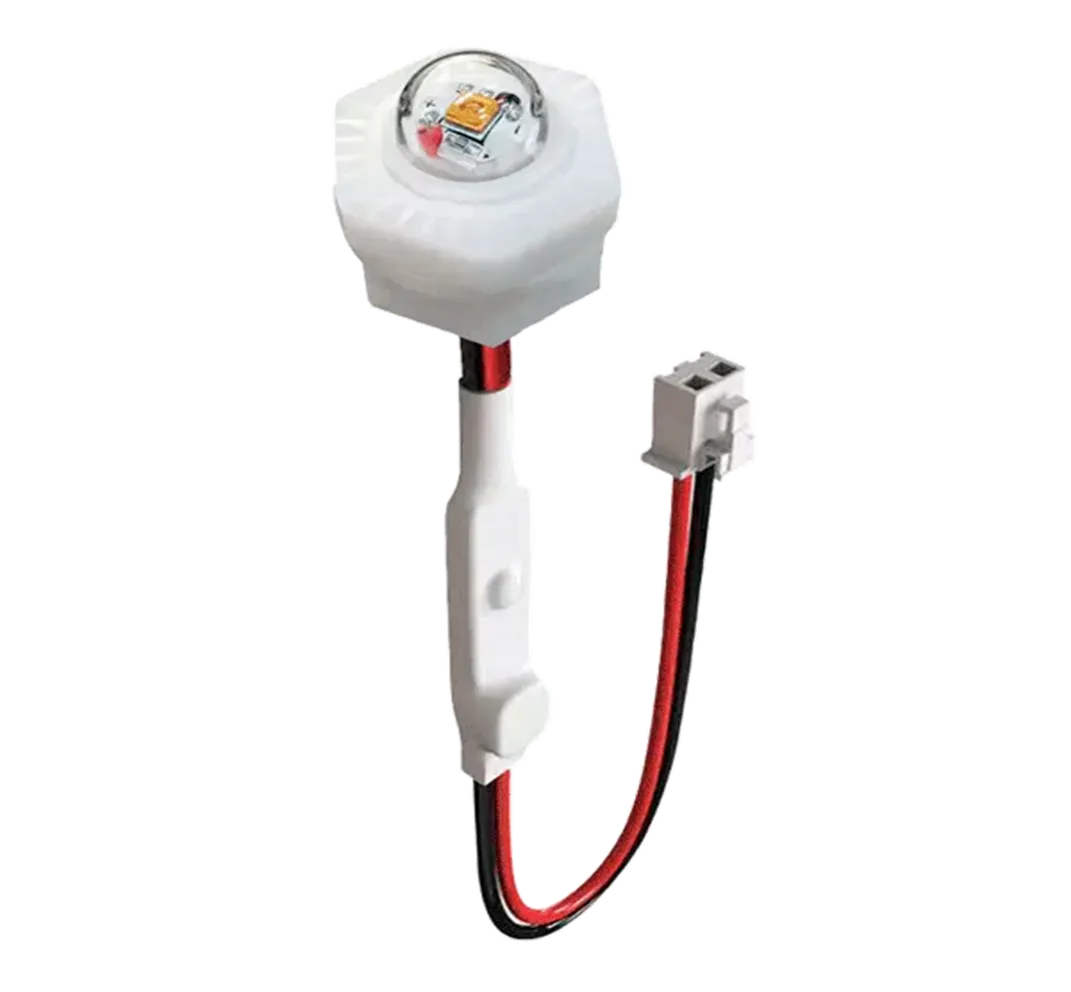
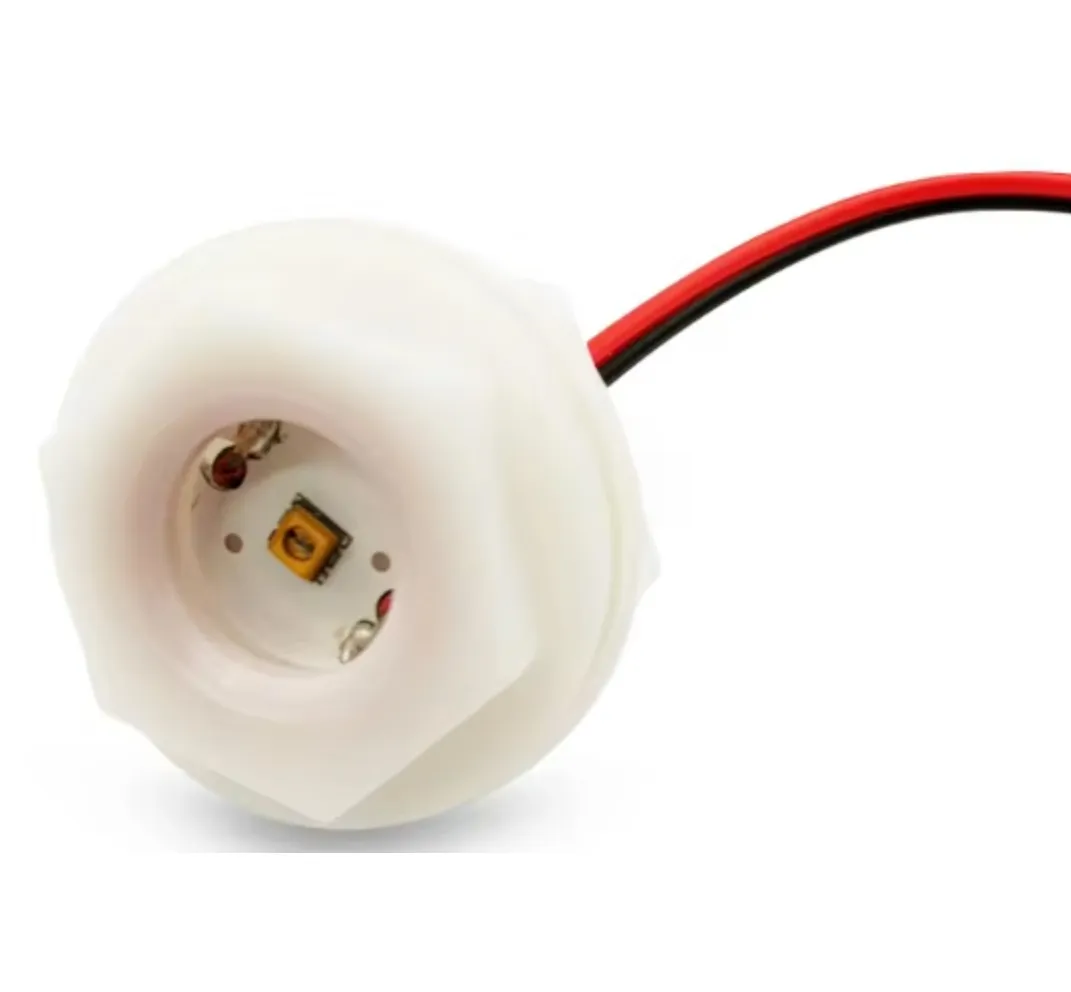
We manufacture UVC LED modules. Not finished consumer products. Modules that go into your equipment.
Our capability set:
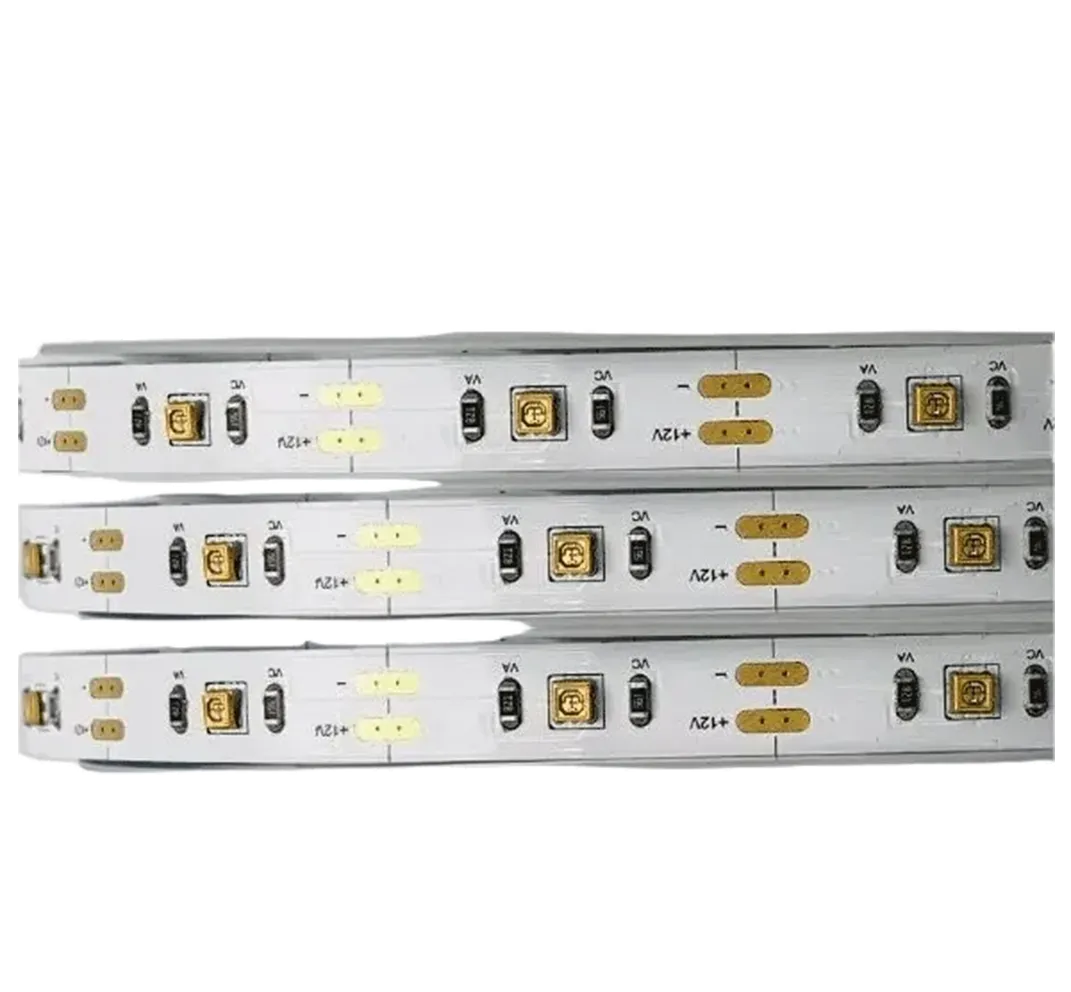
● Wavelength: 260-285nm, selected for the target pathogen and application
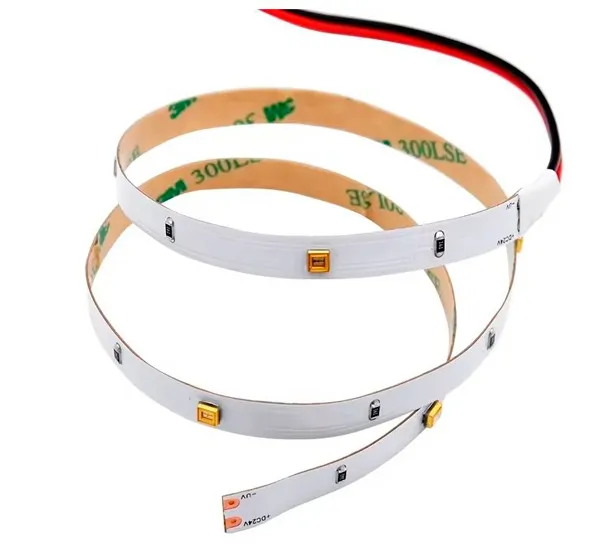
● Form factor: Compact modules for tight spaces—ultrasound cabinets, air handling units, water lines
● Power: Sized to the irradiation area and exposure time
● IP rating: IP20 to IP68, depending on the environment
● Certification: CE, RoHS, FCC compliant
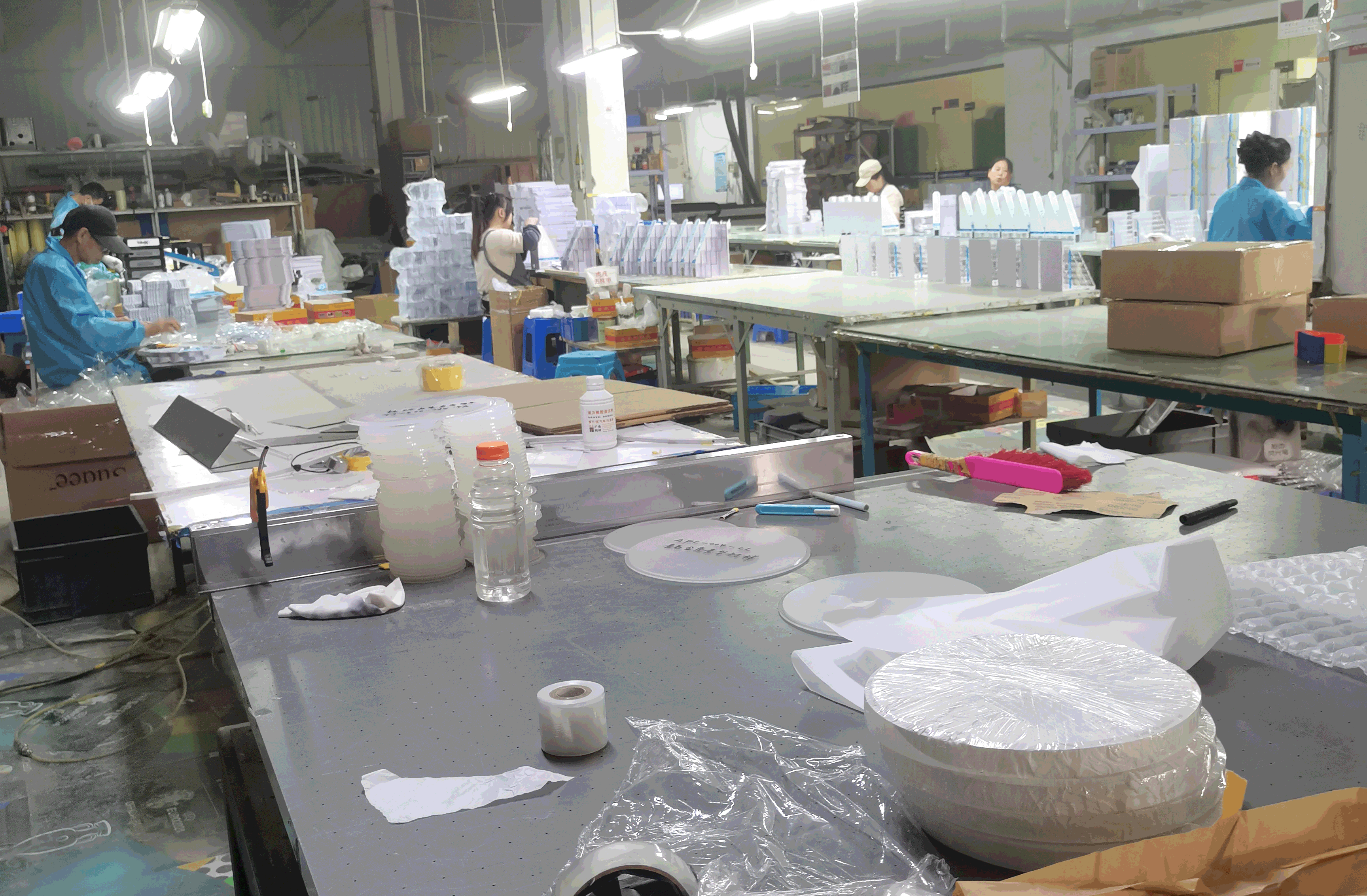
● Volume: 80% of components manufactured in-house, SMT to final assembly
We don't sell off-the-shelf modules. We engineer custom solutions to client spec sheets—whether that's a module for a refrigerated truck's air handling unit or an array for an ultrasound probe disinfection cabinet.
Contact: liang@lydlighting.com | www.lydlighting.com
Medical device disinfection and cold chain logistics disinfection are different problems—but they require the same solution.
● Speed: 90 seconds for an ultrasound probe, not 45 minutes
● Chemical-free: no residues, no hazardous handling
● Temperature-tolerant: works at low temperatures, no warm-up
● Compact: fits into tight spaces
● Safe: no mercury, no glass breakage risk
The technology is mature. The standards are catching up. The market demand is already there.
If you're building equipment that needs disinfection—whether for a hospital or a cold chain—UVC LED is the only technology that checks all the boxes.
Need a UVC LED module for a medical device or cold chain application? We design custom solutions, not off-the-shelf parts. Send us your spec sheet: liang@lydlighting.com