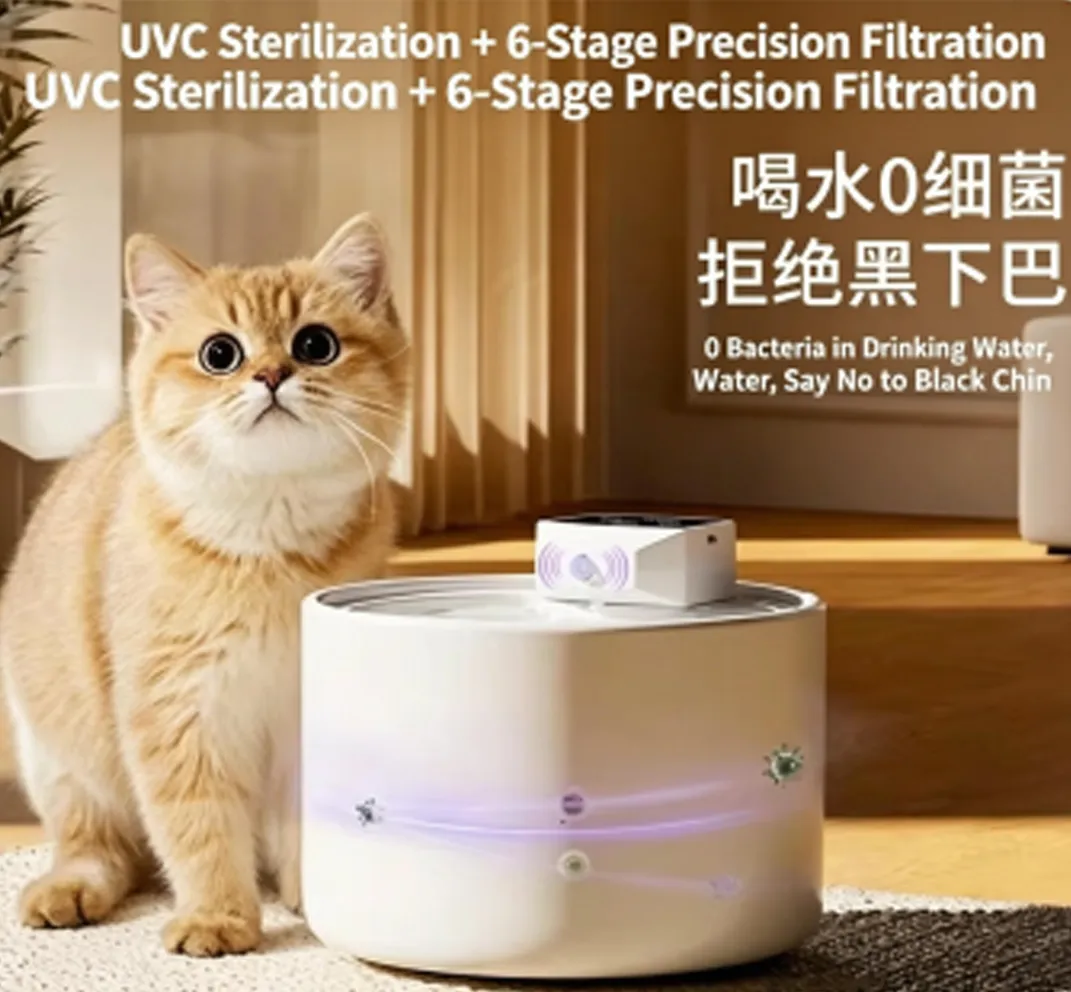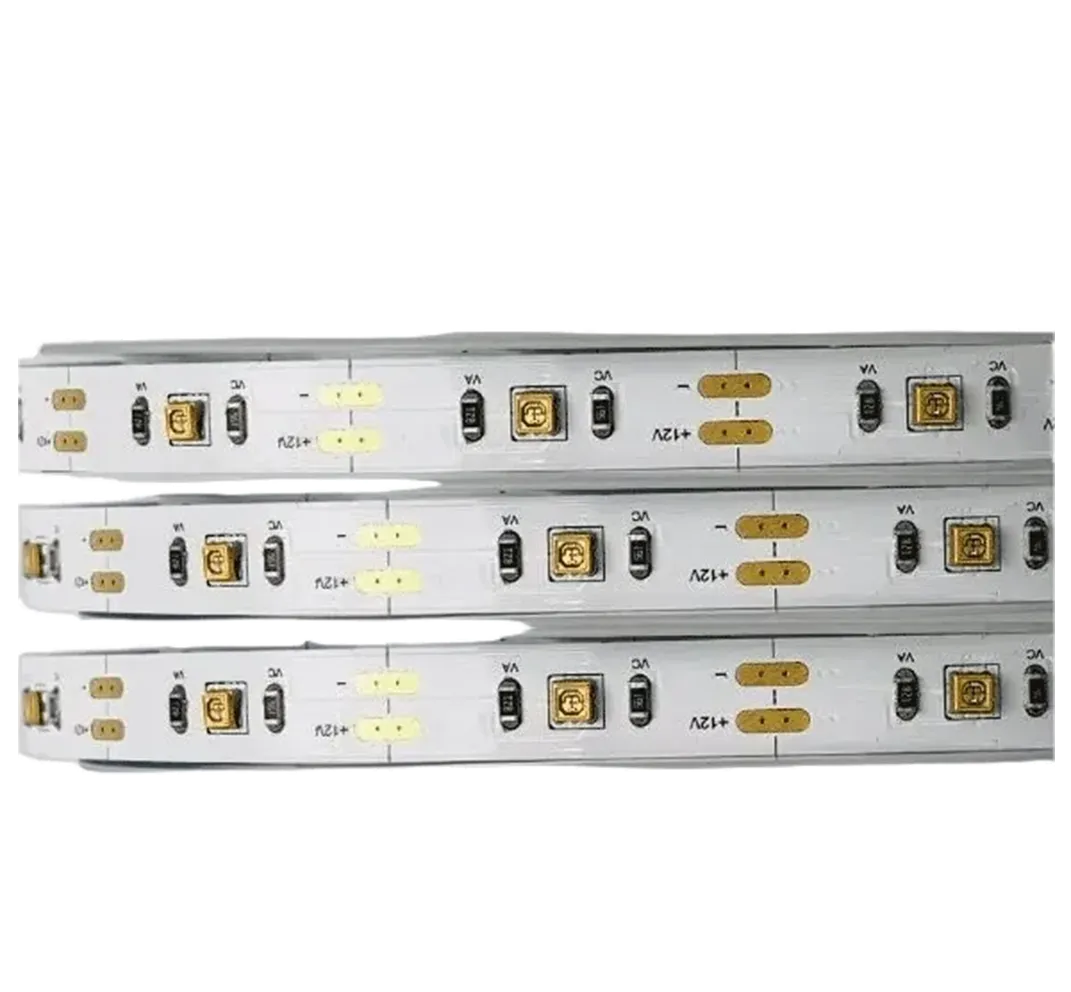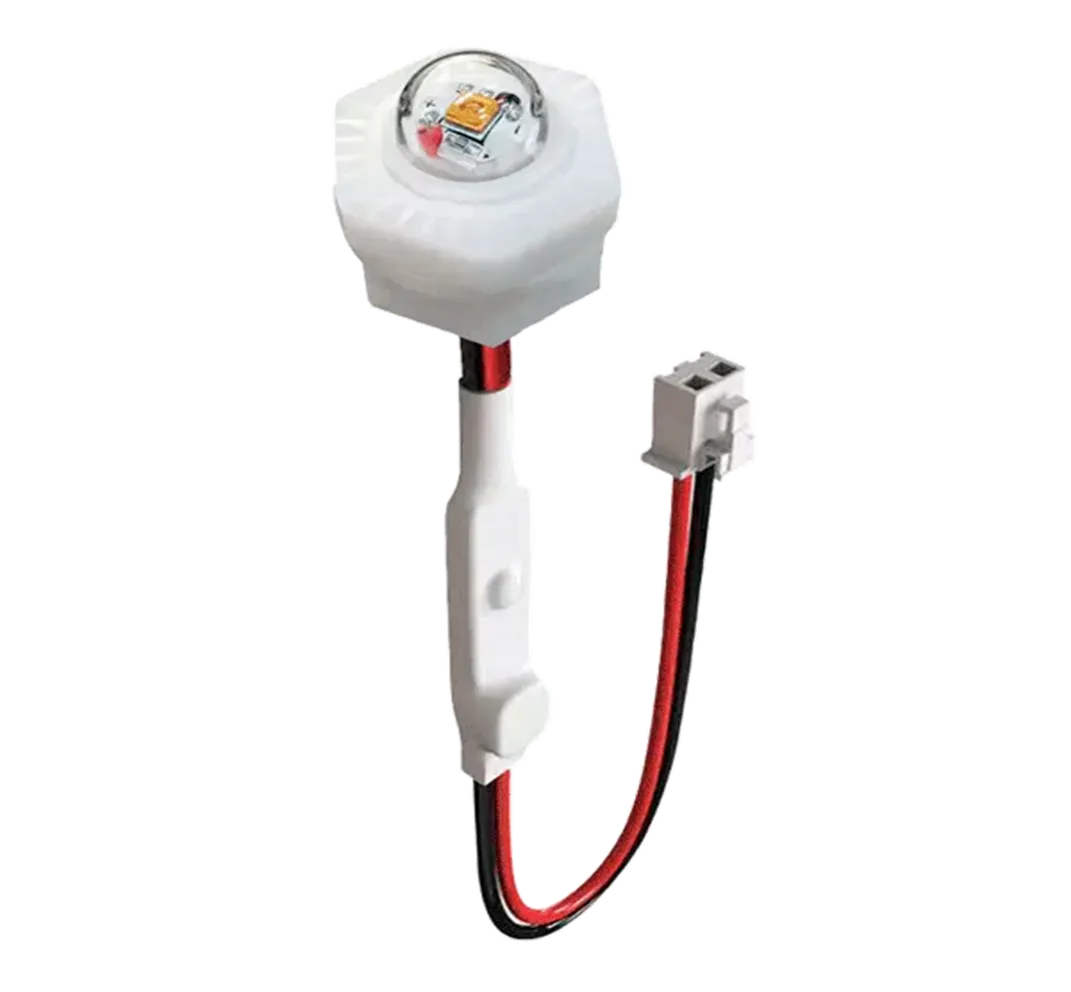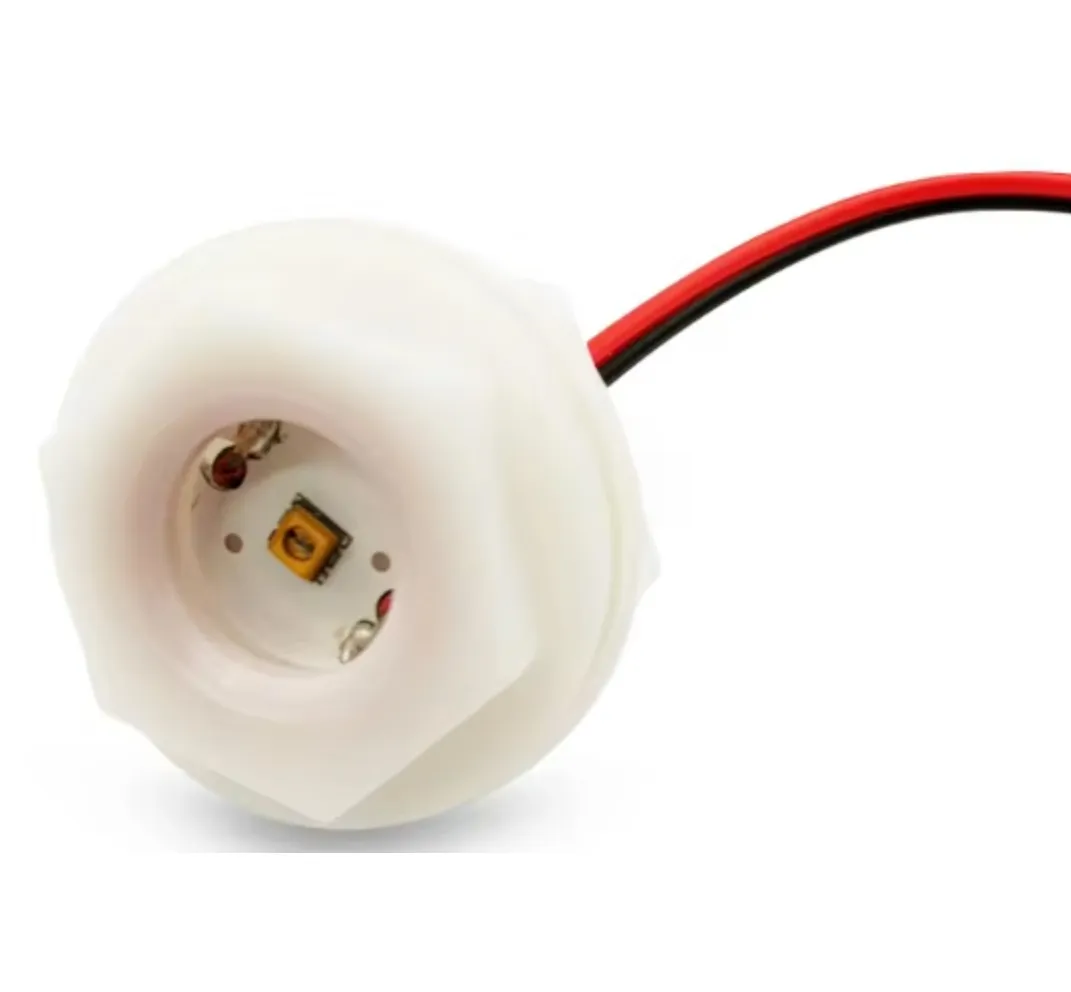
If you've bought a water dispenser, pet fountain, or humidifier in the past two years, chances are it already contains a UVC LED module — or soon will.
Static water sterilization is one of the fastest-growing applications in the UV LED industry. Unlike flowing water systems that treat water as it passes through, static water modules are designed to disinfect water that sits in a tank, reservoir, or enclosed cavity. Think of the water tank in your dispenser, the reservoir in your pet fountain, or the water compartment in your humidifier.
The challenge is simple: still water breeds bacteria. Within 24 to 48 hours, biofilm can form on tank walls — a slimy layer of microorganisms that regular cleaning can't fully remove. Traditional filters capture physical debris but don't eliminate bacteria. Chemical treatments leave residues and alter taste. UVC LED solves all of these problems at once.
Here's how it works.
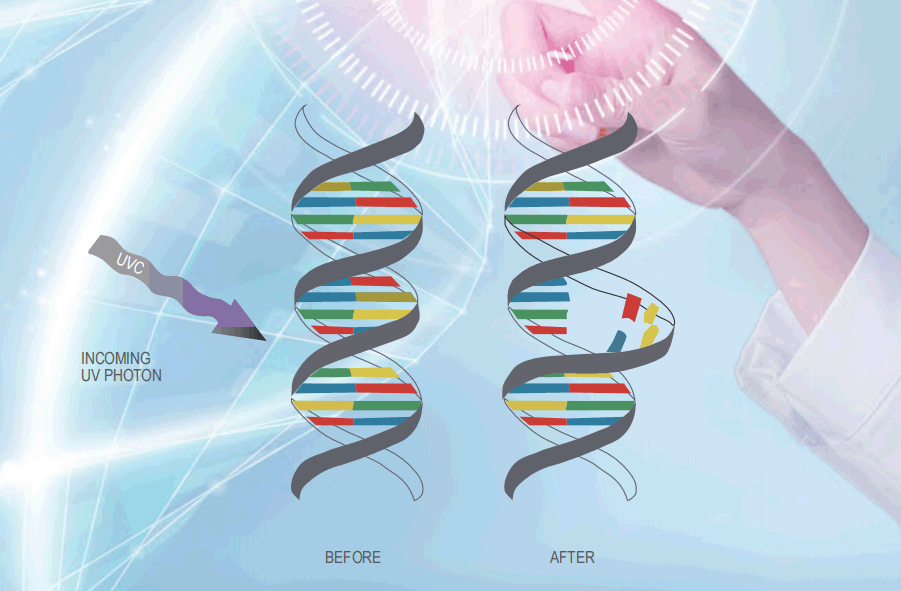
UVC LED modules operating at 260-280nm wavelengths emit ultraviolet light that penetrates microbial cell walls and destroys their DNA or RNA. The microorganisms become unable to replicate — effectively inactivated, not just killed on the surface.
The key distinction in static water applications is dwell time. Because the water sits in a tank, the UVC light can irradiate it over a longer period. This allows for effective sterilization even with relatively low-power LEDs, making the solution both energy-efficient and cost-effective for appliance manufacturers.
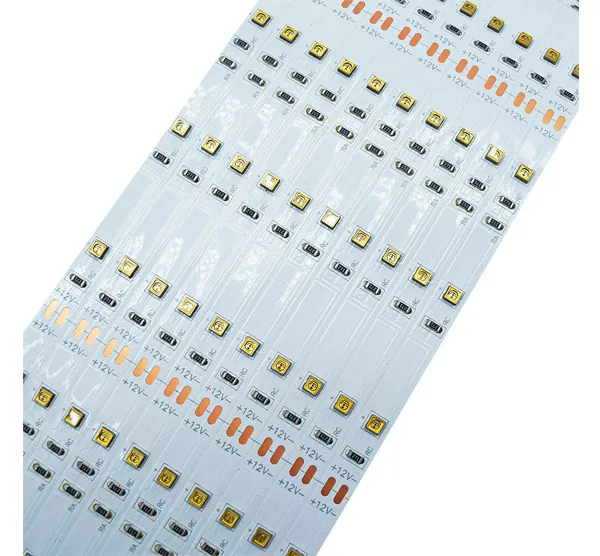
Most static water modules feature UV high-transmission quartz glass and reflective chambers to maximize UVC utilization. This design ensures that every milliliter of water in the tank receives sufficient UV dose over time. Tested efficacy consistently shows 99.9% reduction of bacteria including E. coli, without heat, chemicals, or consumables.
The peak germicidal efficiency for UVC occurs between 260-280nm, with the strongest DNA absorption around 265nm. For static water applications, 270-280nm modules are common because they offer reliable performance with commercially available LEDs.
Modules installed inside water tanks must meet IP68 or at least IP65 waterproof standards. The light-emitting surface must remain sealed while submerged, with no risk of leakage into the electrical components.
Compact design is critical. A static water module must fit into the limited space inside a water dispenser, humidifier, or pet fountain. Modules like our L804 series (24×24mm) are specifically engineered for these space-constrained applications.
All materials must comply with RoHS and Reach requirements, ensuring they are food-safe and non-toxic for applications involving drinking water.
Static UVC LED water sterilization modules are already deployed across a wide range of consumer products:
Tank water in storage-type dispensers can develop bacteria after the filtration stage. A static UVC module installed in the tank eliminates this risk by running periodic sterilization cycles — typically 15-30 minutes every 6-12 hours.
Biofilm formation is a constant problem in pet fountains. A UVC module installed in the reservoir ensures every water cycle is bacteria-free. The global smart pet fountain UV market is projected to reach $0.9 billion by 2034, growing at 9.2% CAGR.
Stagnant water in humidifier tanks can aerosolize bacteria into the air. A static UVC module prevents this by continuously disinfecting the water before it's dispersed.
Any appliance with a water reservoir benefits from UVC sterilization. The ice maker and coffee machine categories are seeing rapid adoption, as manufacturers look to differentiate their products with hygiene features.
Some dishwasher models now incorporate UVC modules to maintain hygiene in the water circulation system, extending the list of applications beyond drinking water.
The global UVC LED market was valued at $1.26 billion in 2025 and is projected to reach $1.72 billion in 2026 — a 36.5% CAGR. The UV LED market overall is expected to grow to $215 million in 2026 with over 10% annual growth.
Water sterilization modules dominate this market, accounting for the largest share among all UV LED applications. The shift is driven by:
Growing consumer awareness of waterborne infections
Increasing hygiene standards across industries
Regulatory pressure phasing out mercury-based UV lamps
For OEMs and brands, static UVC water sterilization modules offer a clear path to product differentiation:
Add measurable value — 99.9% sterilization is a tangible selling point
Reduce warranty claims — UVC modules prevent biofilm-related failures
Enable premium pricing — hygiene features command higher margins
Future-proof products — as mercury lamps phase out, UVC LED is the replacement
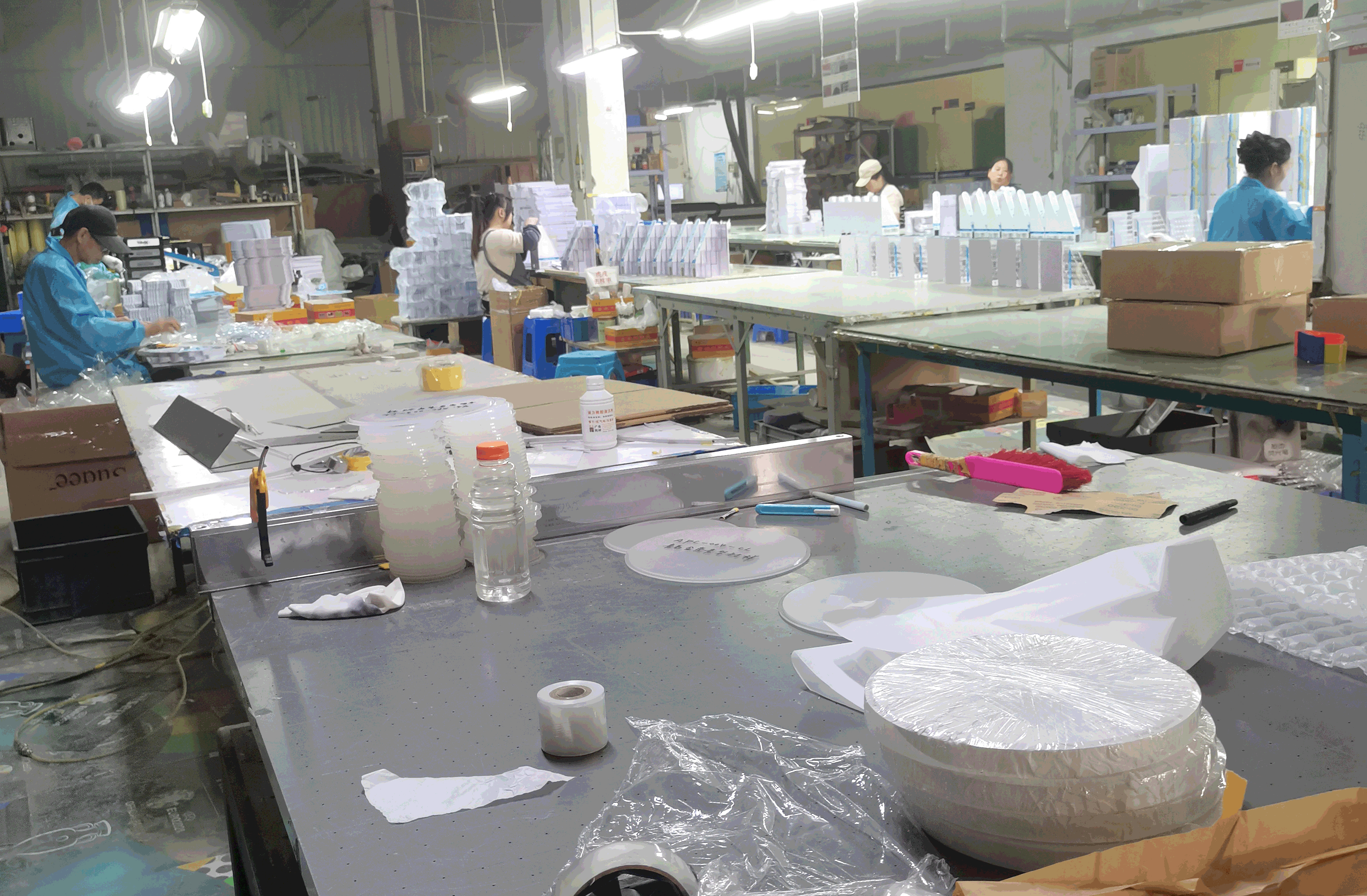
LYD Electronics has been manufacturing UVC LED modules for over 15 years. Our static water sterilization modules — including the compact L804 series (24×24mm) and higher-power L801 series — are designed for seamless integration into water dispensers, pet fountains, humidifiers, and other appliances.
We support full OEM/ODM customization: wavelength (260-285nm), power, size, connector type, and IP rating (IP20-IP68). CE/RoHS/FCC certified. 80% of components manufactured in-house, from SMT assembly to final testing.
Learn more about our UVC LED modules →(https://www.lydlighting.com/products/uv-led-modules)



 English
 русский
 日本語
日本語 한국어
한국어 français
 Deutsch
 Español
 português
 العربية
 italiano
 Nederland