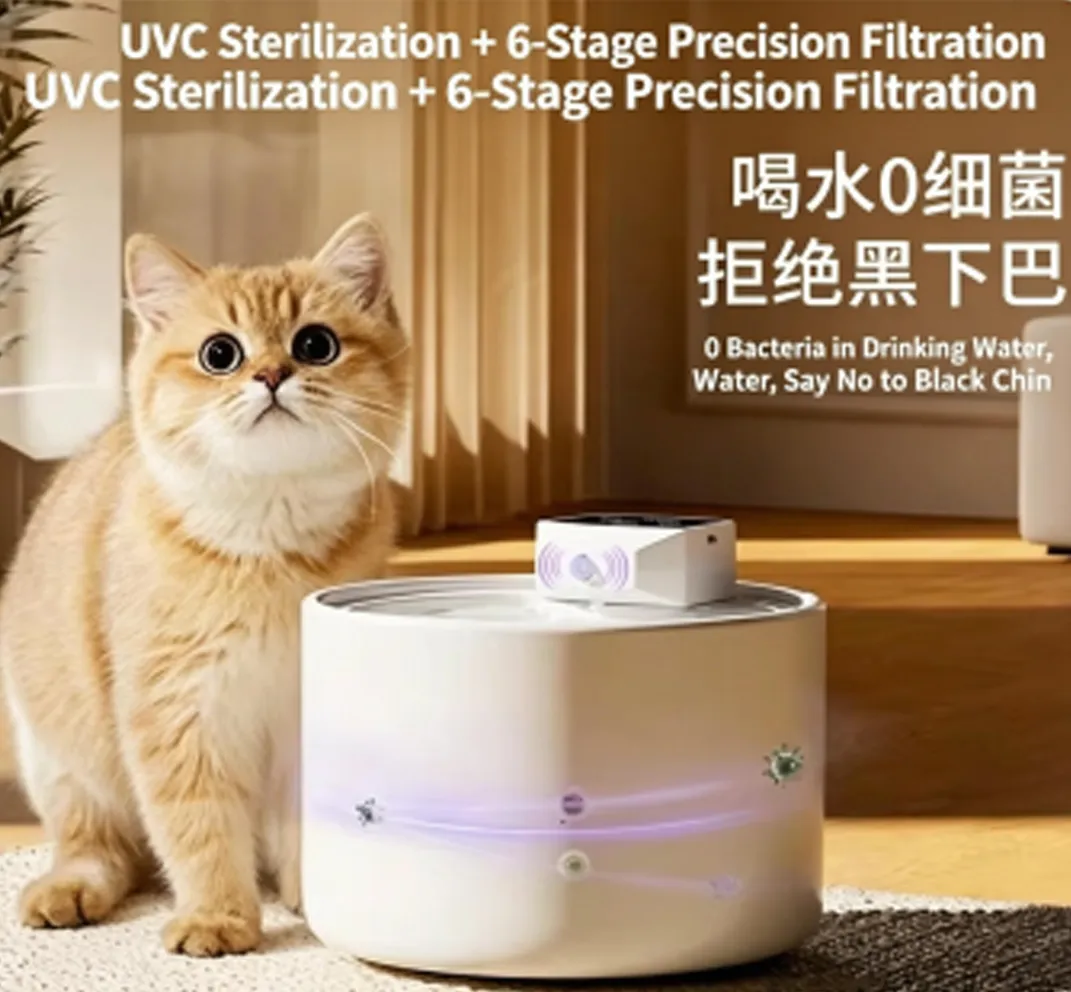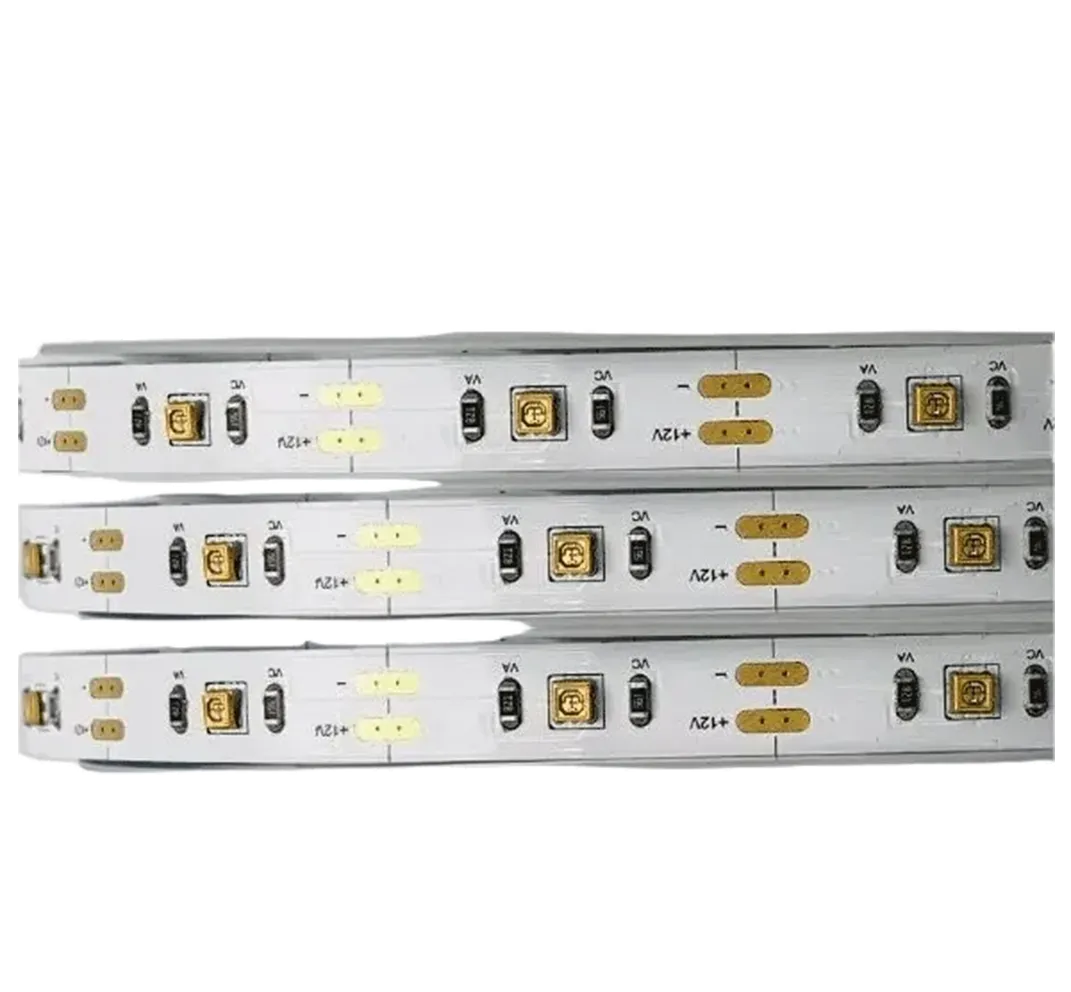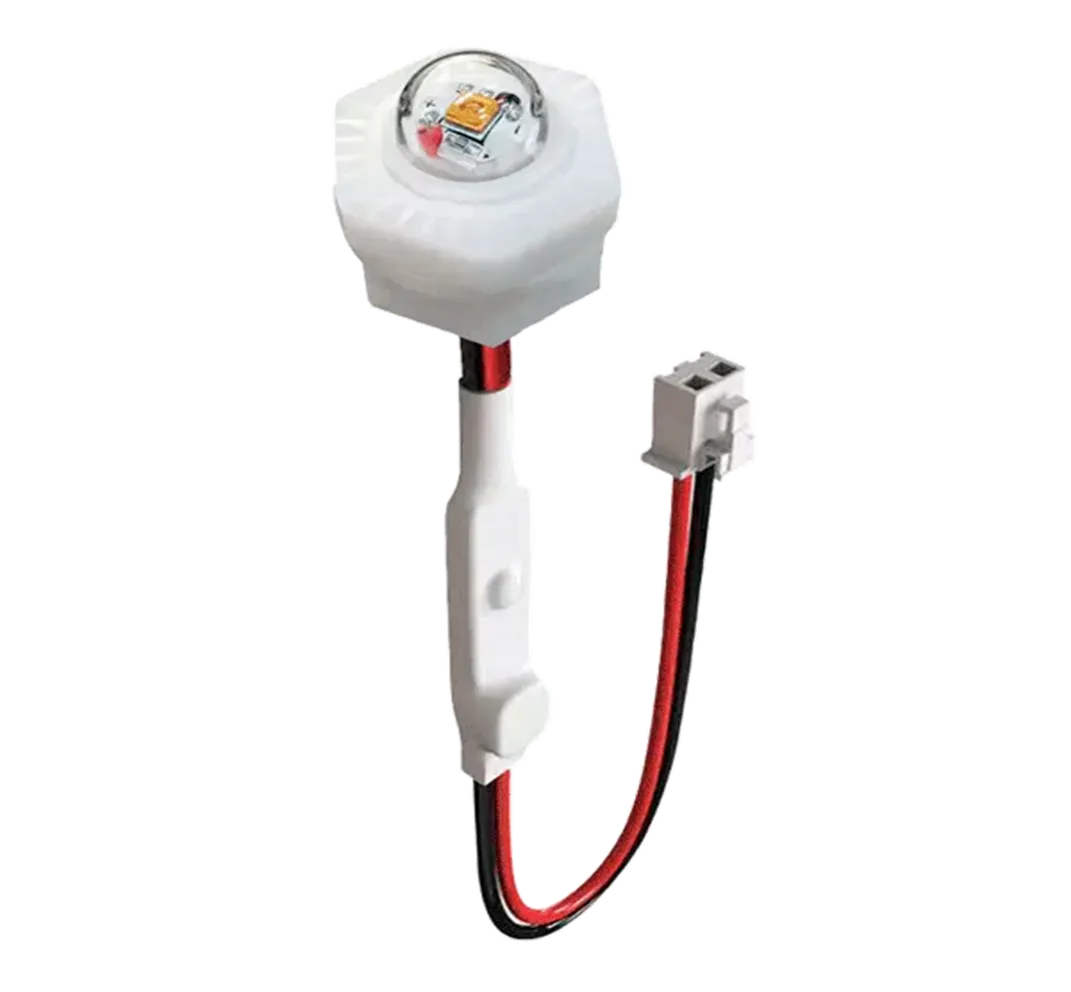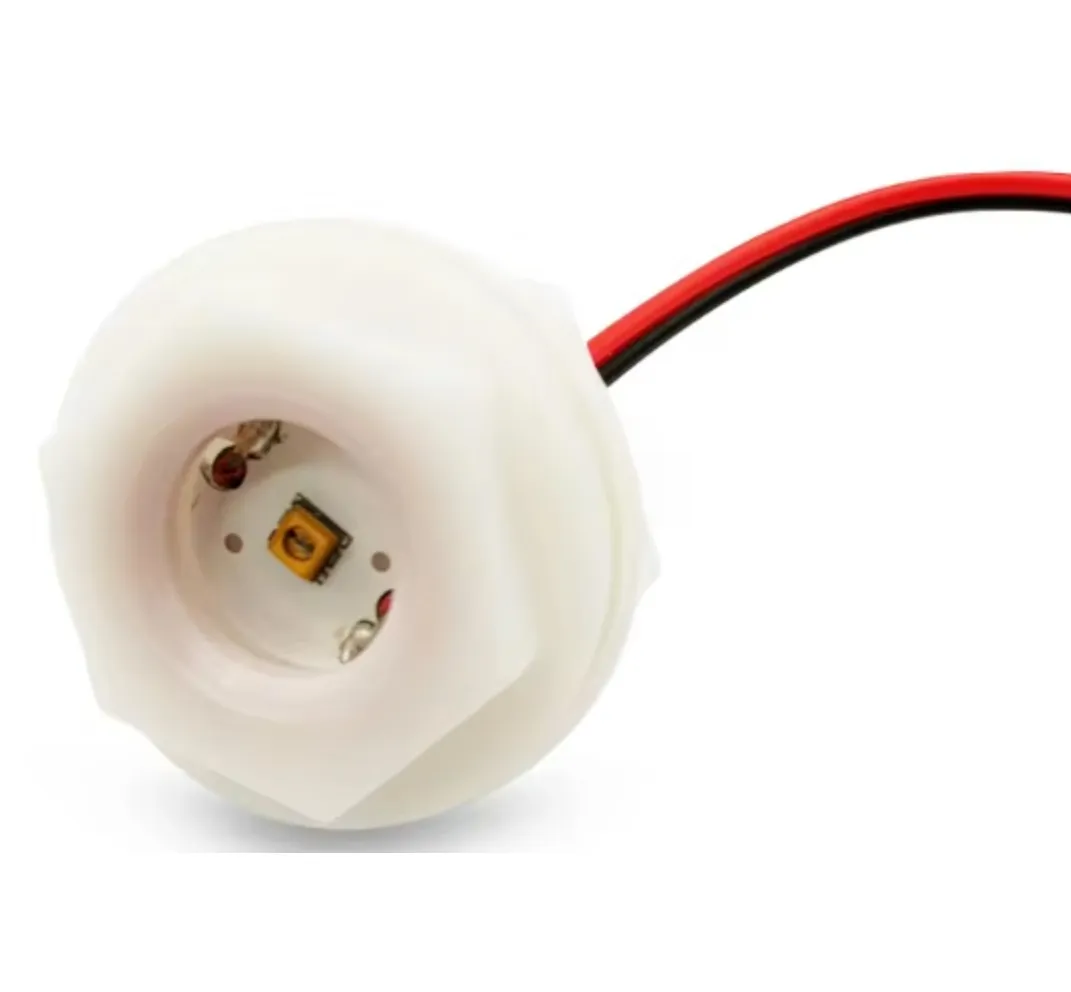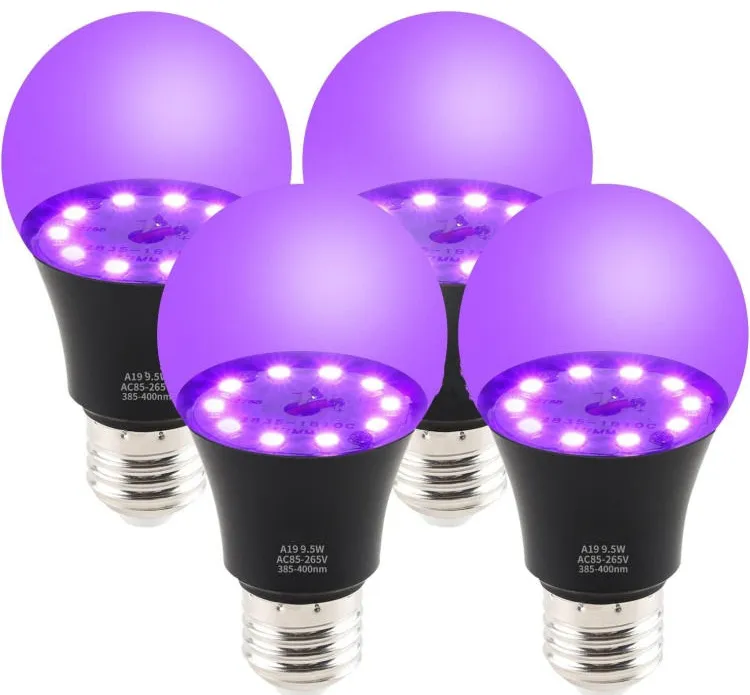
In today's world, where health and safety are paramount, traditional chemical disinfection methods are being increasingly supplemented by a more efficient, eco-friendly, and residue-free technology—UV LED disinfection. As a leading LED technology provider, we, Qingdao LYD Electronics Co., Ltd, take you through the working principles and vast application scenarios of this cutting-edge technology.
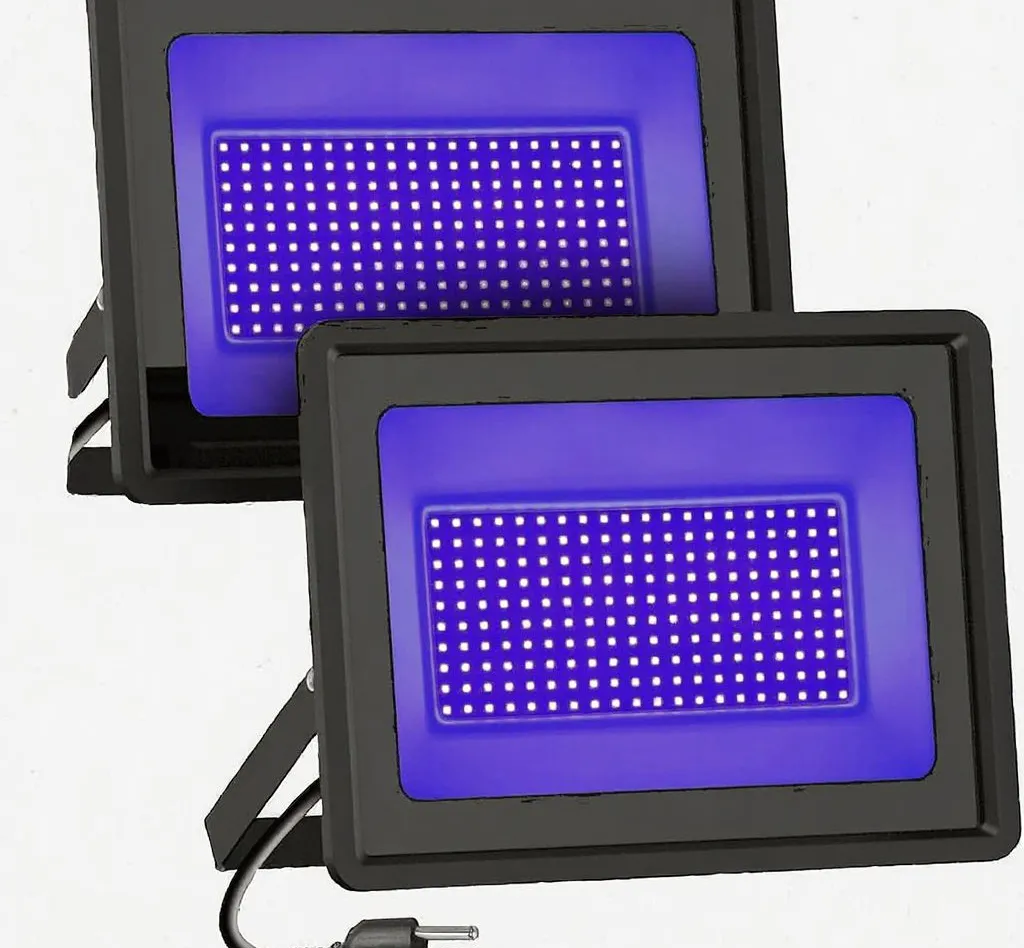
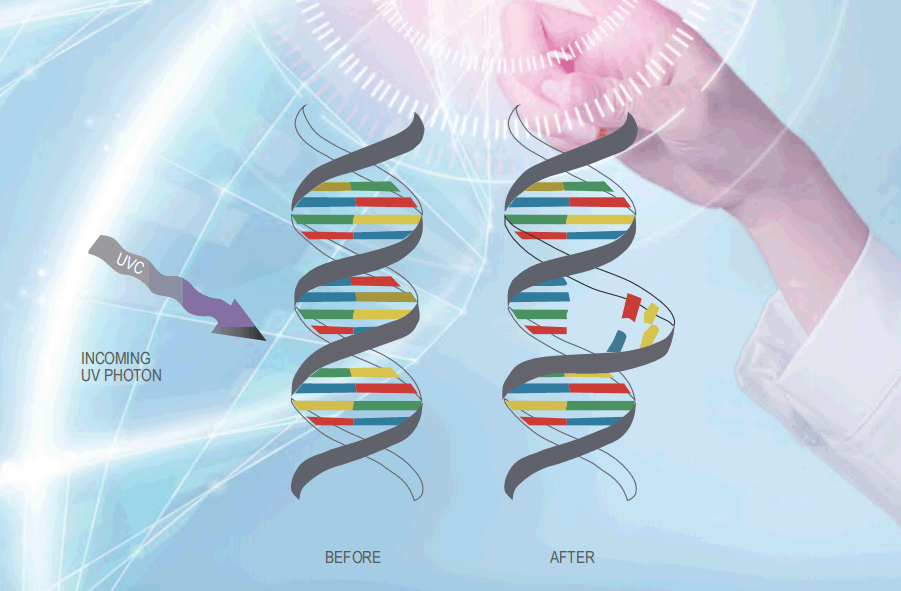
The core germicidal mechanism of UV LED lies in the use of short-wavelength ultraviolet light (UVC), particularly around the 265nm band, which is proven to be the peak absorption wavelength for microbial DNA.
The process can be summarized as follows:
1. Damages DNA/RNA: When microorganisms (such as bacteria, viruses, mold, etc.) are exposed to a sufficient dose of UVC light, the ultraviolet radiation penetrates their cell walls and is absorbed by their internal DNA and RNA.
2. Renders Them Inert: The absorbed energy disrupts the molecular structure of the DNA and RNA, specifically causing adjacent thymine bases to form dimers. This damage makes it impossible for the microorganism to replicate or synthesize proteins properly.
3. Eliminates Vitality: Once the genetic material is destroyed, the microorganism loses its ability to reproduce and survive, effectively being inactivated and leading to disinfection and sterilization.
This is a purely physical process that adds no chemicals, leaves no secondary pollution, and carries no risk of microbial resistance.
Thanks to their compact size, robustness, instant-on capability, and environmental friendliness, UV LEDs are being integrated into a growing number of products and systems:
Healthcare & Medical Fields:
Surface Disinfection: Used for rapidly disinfecting critical areas like surgical instruments, hospital room surfaces, and ambulance interiors.
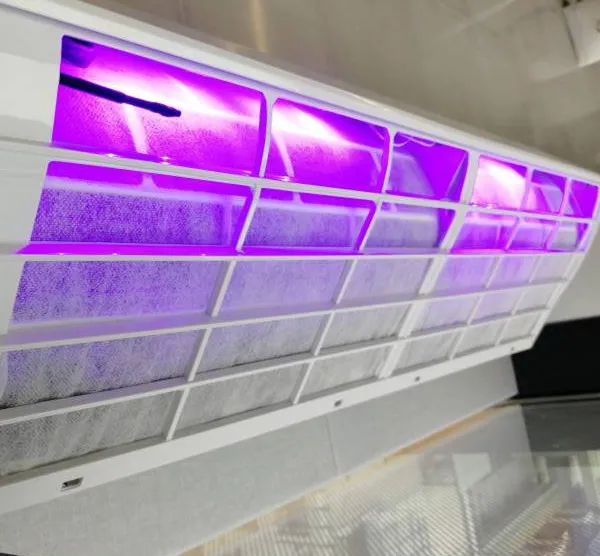
Air Purification: Integrated into hospital HVAC systems or portable air purifiers to continuously kill pathogens in the air.
Water Purification: Provides instant, chemical-free disinfection for point-of-use water in medical facilities or in remote areas.
Home & Personal Life:
Smart Home Devices: Embedded in robotic vacuum cleaners, smart trash cans, wardrobes, and refrigerators for scheduled disinfection of frequently touched surfaces.
Personal Care Products: Used in portable UV sanitizing boxes for small items like phones, keys, toothbrushes, and beauty tools.
Commercial & Public Facilities:
Food & Beverage Industry: Disinfects packaging surfaces, processing equipment, and water used in production to extend shelf life and ensure safety.
Water Treatment Systems: Provides final disinfection for central water supplies in office buildings, hotels, and schools.
Public Transportation: Installed within ventilation systems of buses, aircraft cabins, and subways to disinfect circulating air.
Electronics & Manufacturing:
Curing Applications: UV LEDs are also widely used for the instantaneous curing of inks, coatings, and adhesives—a well-established and highly efficient technology.
UV LED technology is redefining the standard of "clean" with its unparalleled advantages. From professional medical environments to our daily lives, it is quietly building a safer and healthier protective barrier for us all. Choosing our UV LED solutions means opting for a smarter, more reliable future of disinfection.


 English
 русский
 日本語
日本語 한국어
한국어 français
 Deutsch
 Español
 português
 العربية
 italiano
 Nederland