Indoor air quality has become a central public health concern worldwide. UV LED air disinfection technology, with its instant start-up, mercury-free design, and precise wavelength control, is penetrating every corner of the built environment—from HVAC systems and healthcare facilities to schools and public transportation. This article provides a comprehensive analysis of market dynamics, technical principles, application scenarios, comparative advantages over mercury lamps, and customized solution pathways. It also examines emerging frontiers including Far-UVC (222nm) technology and explores why UV LED disinfection is rapidly becoming the new infrastructure for "clean air."
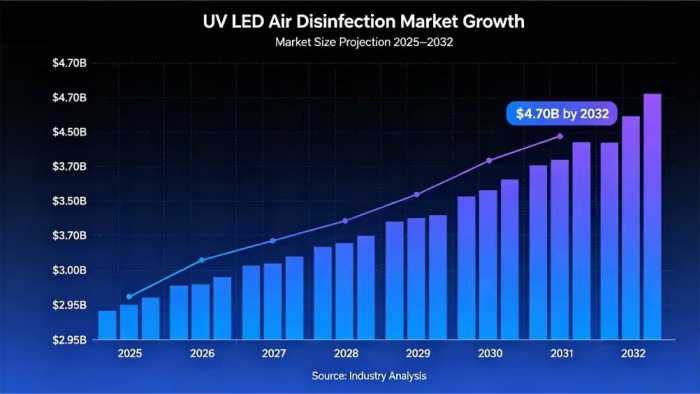
The UV LED air disinfection market is expanding at an unprecedented pace, driven by heightened awareness of indoor air quality, regulatory pressure on mercury-containing products, and continuous technological breakthroughs in semiconductor materials.
The broader UV LED market expanded from USD 1.49 billion in 2025 to USD 1.65 billion in 2026, maintaining a CAGR of 11.47%, with analysts projecting the market will reach USD 3.19 billion by 2032. Within this, the UV-C LED segment is growing even faster—from USD 1.26 billion in 2025 to USD 1.72 billion in 2026, at a CAGR of 36.5%, and is expected to reach USD 5.28 billion by 2030.
The smart UV-C air sanitizer market is projected to grow from USD 2.95 billion in 2025 to USD 3.44 billion in 2026, at a CAGR of 16.4%. The UV-C air disinfection device market was valued at USD 1.33 billion in 2025 and is projected to reach USD 3.17 billion by 2032, at a CAGR of 13.18%. The UV air purifier market was estimated at USD 2.22 billion in 2025 and is projected to reach USD 4.70 billion by 2033, growing at a CAGR of 9.5%. The UV infection control device market was valued at USD 3.99 billion in 2025 and is projected to reach USD 5.78 billion by 2032.
These figures converge on a single trend: air disinfection is transitioning from a "nice-to-have" to a fundamental requirement. The post-pandemic awareness of airborne disease transmission has not faded—it has evolved into sustained, structural market demand.
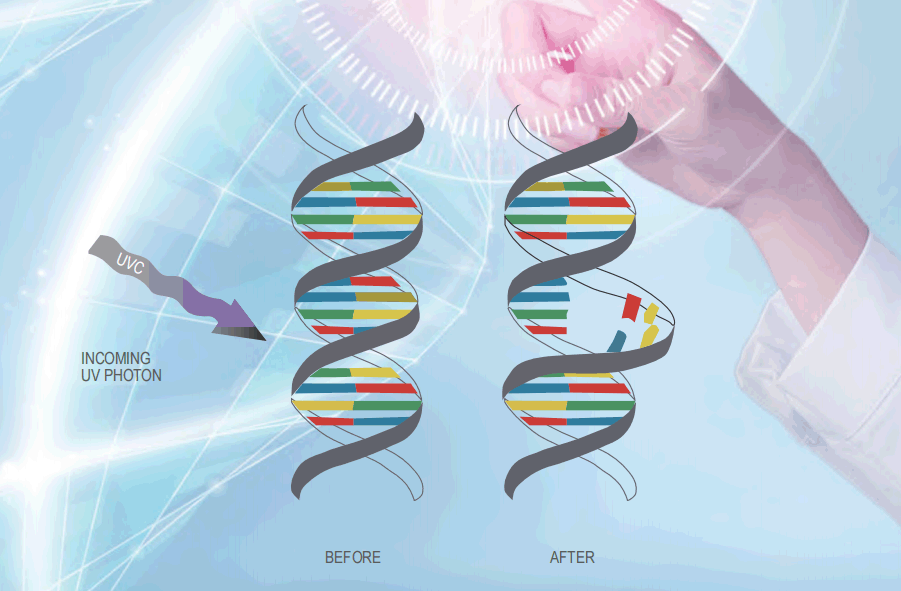
The germicidal mechanism of UVC LED is based on the destruction of microbial DNA/RNA structure. When UVC light in the 260-280nm wavelength range irradiates bacteria, viruses, or mold, its energy is absorbed by the microorganisms' genetic material, leading to the formation of thymine dimers—chemical bonds that prevent the microorganism from replicating and rendering it inactive.
Research has demonstrated that 263nm UV-LEDs exhibit higher inactivation efficacy against airborne human coronavirus than traditional 254nm low-pressure mercury lamps. In a comparative study of three UVC sources, the order of inactivation efficacy was: 222nm KrCl excimer lamp > 263nm UV-LEDs > 254nm low-pressure mercury lamp. The 263nm UV-LEDs achieved the highest genome damage rate constant at 7.08 ± 0.85 (mJ/cm²)⁻¹, demonstrating the superior wavelength-specific efficacy of UV-LED technology.
UV LED air disinfection systems are deployed in three primary configurations:
In-Duct Installation
UVC LED modules are installed directly in the supply or return air ducts of HVAC systems. As air flows through the duct, it passes through the UVC irradiation zone, achieving "dynamic disinfection." This approach provides whole-building coverage without requiring individual units in each room. The CDC recommends UVGI especially in spaces with insufficient or no mechanical HVAC systems or where adequate natural ventilation cannot be maintained. Research has established that strategic LED placement can improve disinfection efficiency by over 20% compared to single-LED designs.
Upper-Room UVGI
UVC fixtures are mounted high on walls or suspended from the ceiling, with radiation directed into the upper portion of the room. Using natural convection—as warm air rises—airborne pathogens in the upper zone are inactivated as they circulate through the irradiation field. This approach allows occupants to remain in the room during operation. Spaces must be at least 8 feet tall, with a minimum ceiling height of 8.5 feet preferred. Fraunhofer research has demonstrated that upper-room UVC LED systems can effectively inactivate continuously released airborne viruses under realistic testing conditions.
Standalone Air Purifiers
Portable or fixed air purifiers incorporate UVC LED modules internally, drawing indoor air through the unit and passing it through a UVC irradiation chamber before returning it to the room. These systems are particularly valuable in spaces where HVAC integration is impractical or where supplemental disinfection is needed.
The disinfection efficiency of air systems depends on three critical variables: UV irradiance intensity, airflow velocity, and exposure time. In in-duct installations, air passes through the irradiation zone at high speed, with residence times measured in seconds—requiring higher UVC doses to ensure effective microbial inactivation. The CDC recommends that UVGI systems be operated below 60% relative humidity, which is consistent with ASHRAE recommendations for comfort, acceptable indoor air quality, and minimizing microbial contamination.
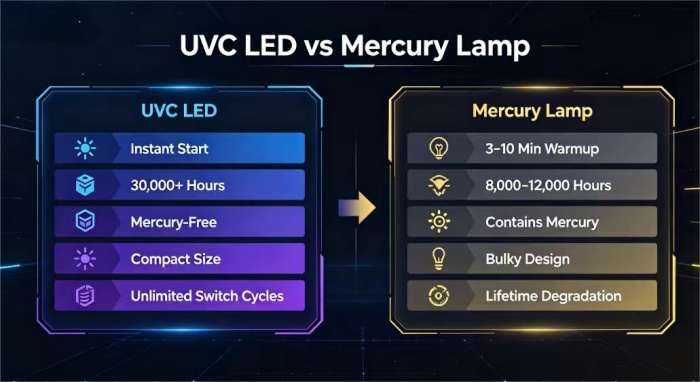
Mercury vapor lamps require a warm-up period—typically 3 to 10 minutes—to reach their peak irradiance. UVC LEDs, in contrast, achieve full output instantaneously. This capability is critical for applications requiring intermittent operation or on-demand disinfection—such as school classrooms between periods, meeting rooms between uses, or hospital exam rooms between patients. The ability to cycle on and off without performance degradation is a fundamental advantage of solid-state UV technology.
UVC LEDs contain no toxic mercury, eliminating hazardous disposal requirements and supporting ESG goals. The Minamata Convention on Mercury is driving the global phase-out of mercury-containing products, creating regulatory tailwinds for UV LED adoption. Unlike mercury lamps, which pose environmental risks during transport, installation, and disposal, UVC LEDs are safe to handle and fully recyclable.
The lifespan of low-pressure mercury lamps typically ranges from 8,000 to 12,000 hours. UVC LEDs, by contrast, can achieve 30,000 hours or more. This translates to replacement frequencies three to four times lower than mercury lamps—significantly reducing maintenance costs and operational downtime. Independent research from the Ferdinand-Braun-Institut (FBH) has confirmed that both lifetime and efficiency of UVC LEDs vary significantly depending on operating conditions, design, and manufacturer, but commercially available devices already demonstrate performance that supports real-world disinfection applications.
While mercury lamps are fixed at 254nm, UVC LEDs can be tailored across the 255-285nm range. Different pathogens exhibit different sensitivities to different wavelengths. Research has demonstrated that 263nm UV-LEDs outperform 254nm mercury lamps against airborne human coronavirus. This wavelength tunability enables optimization for specific target pathogens or application requirements—a degree of precision simply unavailable with mercury-based systems.
UVC LEDs are extremely compact compared to bulky mercury lamps. This enables integration into spaces where mercury lamps simply cannot fit—portable devices, air handling units with tight clearances, and consumer appliances. The miniaturization of UV disinfection technology opens entirely new application categories that were previously impractical.
In 2023, Nichia Corporation introduced the NCSU434C, a high-radiant-flux UV-C LED delivering 110mW at 350mA with a wall-plug efficiency of 5.4%. In 2025, ams OSRAM achieved a significant milestone with UV-C LEDs delivering over 200mW at efficiencies exceeding 10% at 265nm with lifetimes exceeding 20,000 hours. These advances mean that UVC LED efficiency is rapidly approaching parity with mercury lamps in high-power industrial applications—paving the way for complete replacement across all segments.
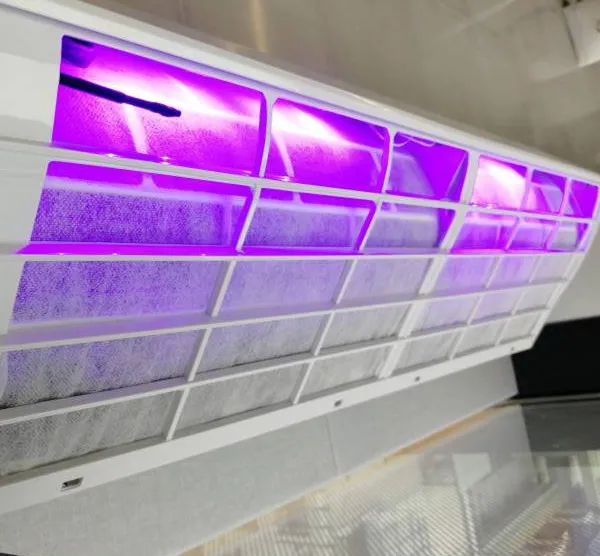
HVAC systems represent the largest application segment for UVC LED air disinfection. By installing UVC LED modules in air handling units (AHUs) or ductwork, circulating air is continuously disinfected. The CDC explicitly states that UVGI is especially recommended in spaces with insufficient or no mechanical HVAC systems or where adequate natural ventilation cannot be maintained year-round. Upper-room GUV systems provide air changes per hour that are similar to the introduction of clean air into the space.
Case Study:
A major hospital installed UVC LED modules behind central air conditioning units. Indoor air bacterial concentration dropped from 2,175 CFU/m³ to 323 CFU/m³—an inactivation rate of 85%. Long-term monitoring showed bacterial concentrations maintained below 200 CFU/m³.
Classrooms are densely occupied spaces where children, with relatively weaker immune systems, are particularly vulnerable to airborne pathogens. Upper-room UVGI is especially suitable for schools because it operates safely while occupants remain in the room. CDC guidance notes that GUV is best used in group settings such as open-concept office buildings or schools. Research has established physical models for germicidal efficacy based on UVC-LED technology, providing scientific foundations for the light environment and disinfection requirements in classrooms.
Case Study:
UVC LED air conditioning sterilization systems installed in classrooms reduced environmental bacterial counts by approximately 53% with 30 people simultaneously in the room, significantly lowering airborne bacterial concentrations.
Hospitals have the most urgent air disinfection requirements. UVC LED can be deployed for:
Operating room air disinfection
Continuous air purification in isolation wards
Air quality management in waiting areas
Surface disinfection of medical equipment
CDC notes that the most important locations for GUV are high-risk indoor settings, including areas with an increased likelihood of sick people and crowded spaces where the health status of occupants is unknown.
UVC LED has entered rail transit disinfection systems. Its rapid and efficient germicidal capability can be deployed throughout the entire journey, providing continuous and effective disinfection. The compact size of UVC LEDs enables integration into train air conditioning systems without occupying additional space.
Research demonstrates that applying UVC LED in automotive HVAC systems can effectively reduce the concentration of aerosolized viral particles in the cabin. As consumer awareness of in-cabin air quality grows, automotive UVC air disinfection is emerging as a significant new application direction.
Far-UVC at 222nm represents a paradigm shift in air disinfection. Because 222nm light cannot penetrate the stratum corneum of human skin or the tear film of the eyes, it is considered safe for continuous operation in occupied spaces. This enables "human-occupied disinfection"—the ability to continuously treat air while people are present.
Research has demonstrated that Far-UVC (222nm) is effective at inactivating airborne viruses and is safe for human exposure, enabling the continuous treatment of bulk air in occupied settings. Significantly, a 2025 study showed that the inactivation efficacy order against airborne human coronavirus was: 222nm KrCl excimer lamp > 263nm UV-LEDs > 254nm low-pressure mercury lamp. The 222nm KrCl excimer lamp achieved a 5-log (99.999%) inactivation of aerosolized HCoV-OC43 with a dose of less than 1 mJ/cm².
While 222nm Far-UVC causes less genomic damage to viruses compared to 263nm UV-LEDs, it affects viral proteins more significantly—specifically the nucleocapsid (N) and spike (S) proteins, compromising capsid integrity and binding ability to host cells. Additionally, significant lipid oxidation of viruses has been observed under 222nm irradiation, contributing to overall inactivation efficacy. This dual mechanism—protein damage plus lipid oxidation—enables Far-UVC to achieve high inactivation efficacy at lower doses, combining safety with effectiveness.
Currently, 222nm Far-UVC technology primarily relies on krypton-chloride (KrCl) excimer lamps rather than LEDs. However, the UV-LED industry is actively expanding toward this wavelength. The combination of proven safety, superior efficacy against airborne viruses, and the potential for LED-based solutions positions Far-UVC as a transformative direction for the next generation of air disinfection systems.
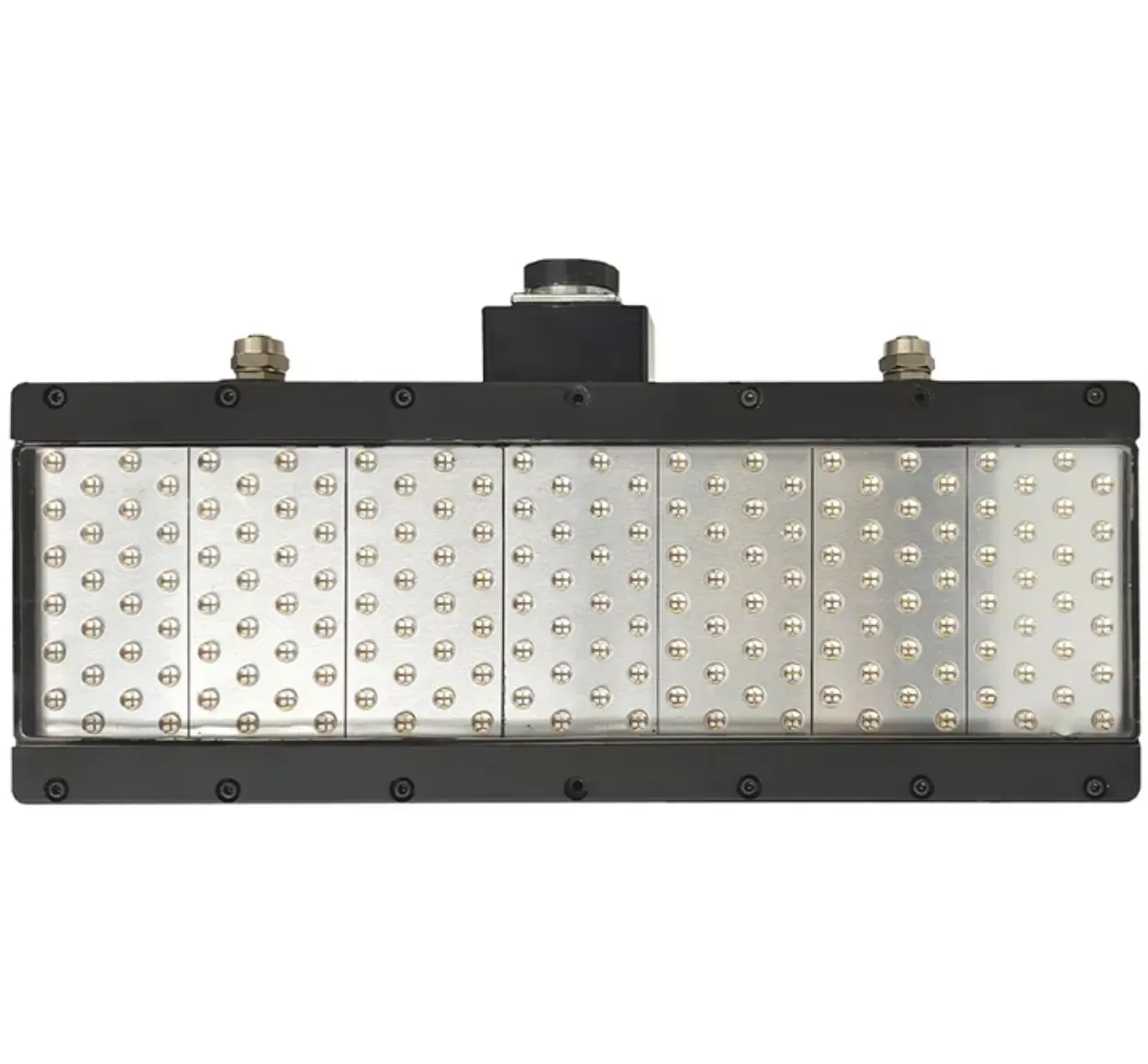
The core of UVC LED air disinfection systems lies in customized integration capability. Different applications—duct dimensions, airflow rates, installation space, target pathogens—demand different solutions.
LYD Electronics brings over 15 years of UVC LED module manufacturing expertise to the air disinfection sector:
Wavelength Customization: 260-285nm options to optimize germicidal efficacy for specific target pathogens
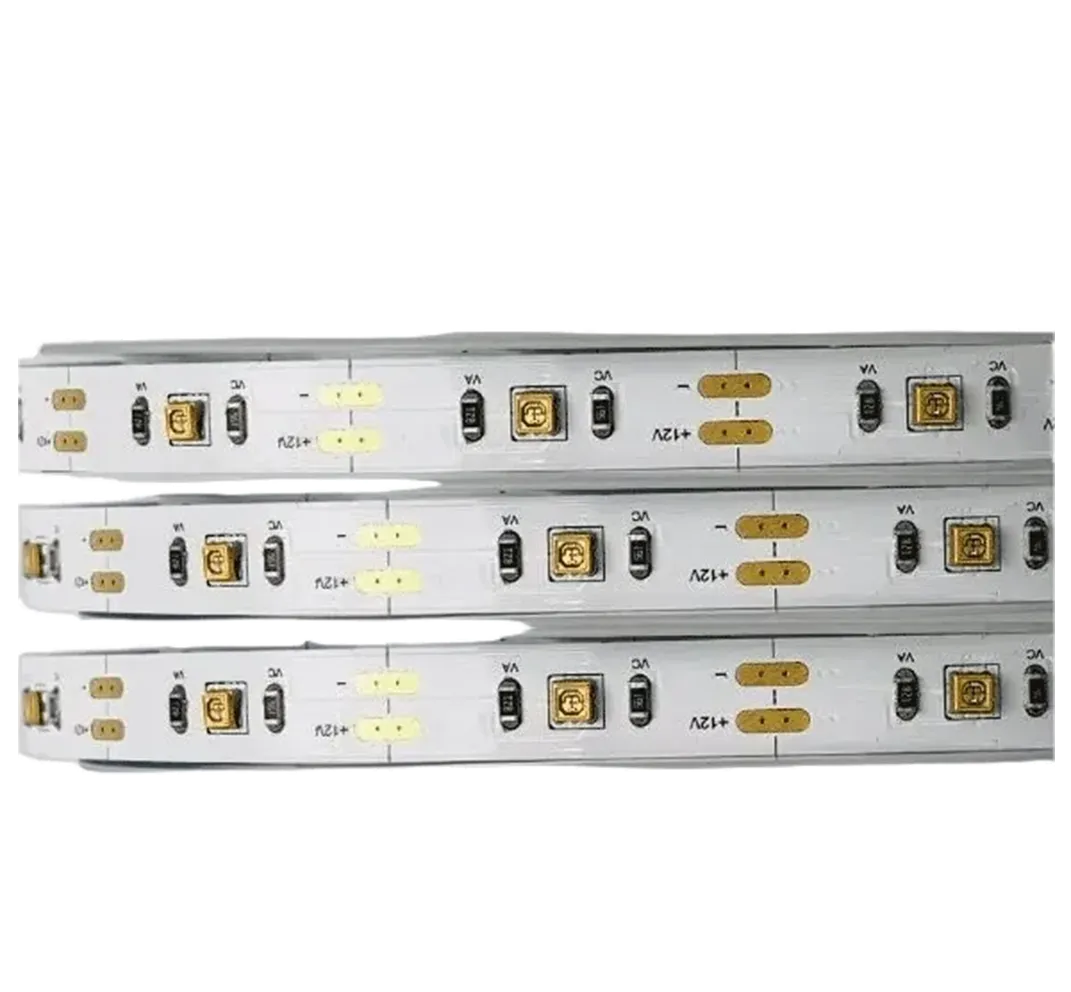
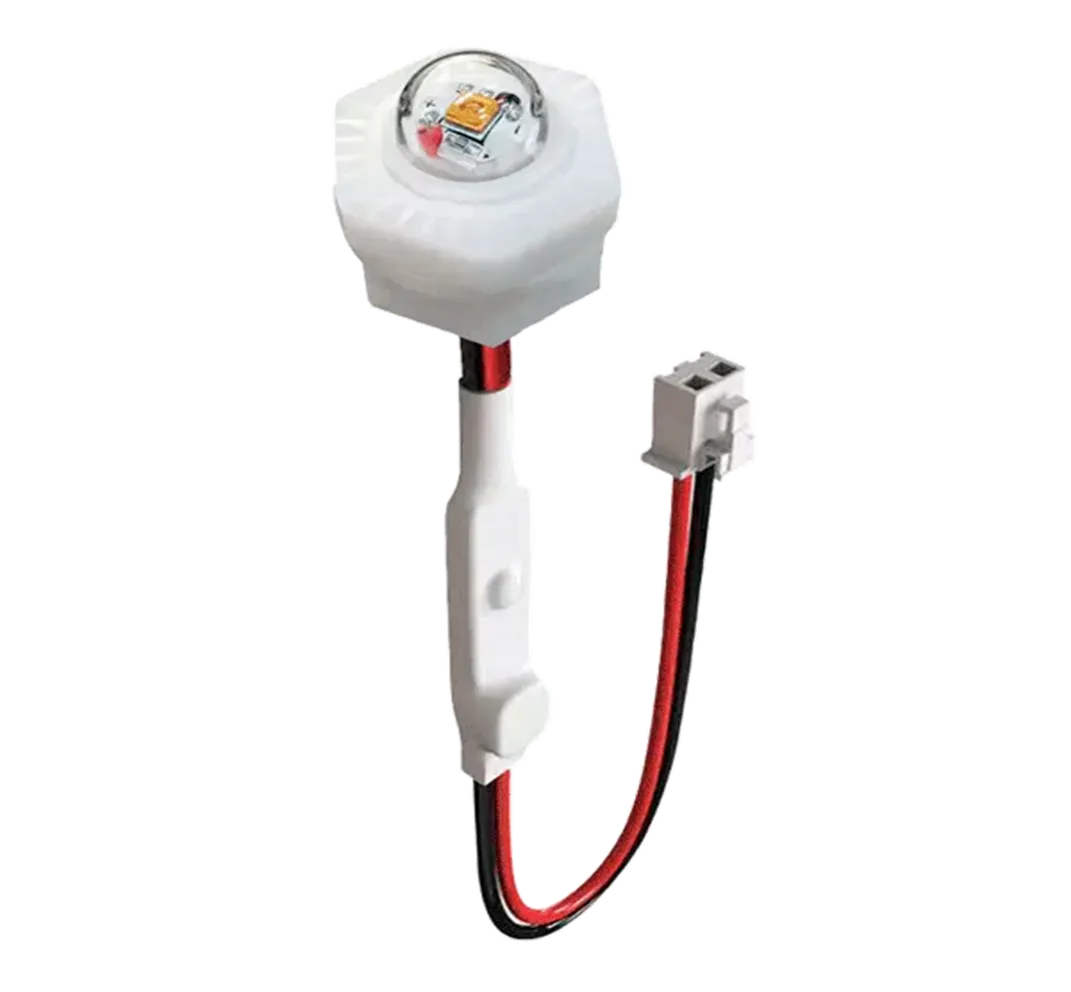
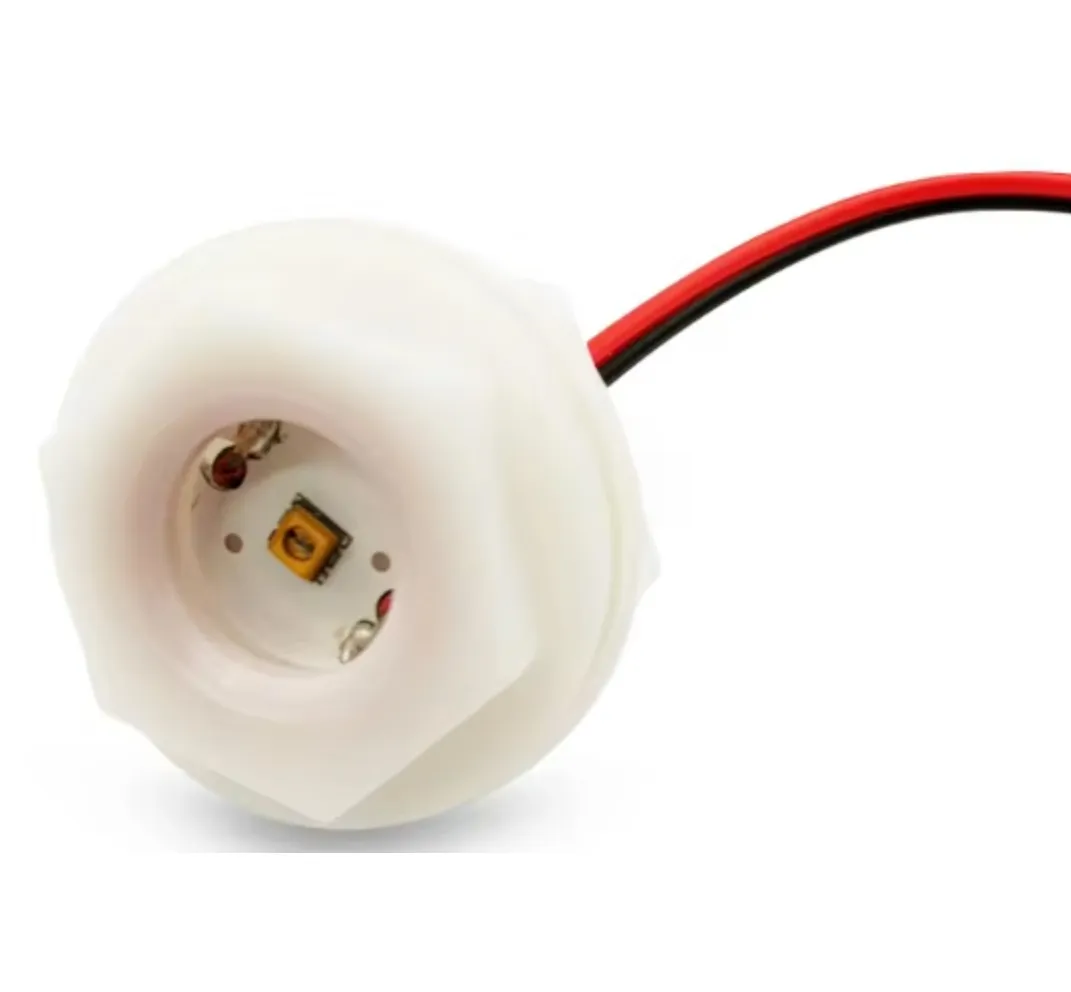
Form Factor Customization: From compact in-duct modules to standalone air purifier modules, flexible form factors for any installation
Power Customization: Matching power to airflow rate, duct dimensions, and required UV dose
IP Rating Options: IP20 to IP68 available, adaptable to various environmental conditions
Thermal Management: Optimized thermal design for continuous operation scenarios
Certification Support: CE, RoHS, FCC, and other international certifications
CE/RoHS/FCC certified. 80% of components manufactured in-house, from SMT assembly to final testing.
UV LED air disinfection systems are increasingly integrating with smart sensors, air quality monitoring, and IoT platforms. Real-time monitoring of air quality data with automatic UVC output adjustment enables "on-demand disinfection" rather than "timed disinfection"—ensuring efficacy while conserving energy. Smart features such as app-based remote disinfection control and integration with building management systems are becoming standard in premium systems.
UVC LED is combining with HEPA filtration and photocatalytic oxidation (PCO) to form multi-stage air purification systems. These hybrid solutions simultaneously address particulate matter, gaseous pollutants, and microorganisms—providing comprehensive indoor air quality management.
The cost of UVC LEDs continues to decline as manufacturing scales and semiconductor technologies advance. This is enabling penetration into price-sensitive consumer segments that were previously underserved, expanding the market from commercial and institutional applications into residential and portable products.
The Minamata Convention continues to drive the phase-out of mercury lamps, while new indoor air quality standards are emerging globally. These regulatory pressures are accelerating UV LED adoption across all market segments.
UV LED air disinfection technology stands at an inflection point—transitioning from an "emerging technology" to "infrastructure." The convergence of rapid market growth, continuous technical breakthroughs, expanding application scenarios, and supportive regulatory frameworks is simultaneously driving this technology toward mainstream adoption.
For equipment manufacturers, building developers, healthcare institutions, and educational facilities, UV LED air disinfection is no longer an optional "nice-to-have"—it is an essential component of "clean air" as a fundamental requirement. The transition toward mercury-free, energy-efficient disinfection solutions is transforming procurement models and supplier selection.
The future of air disinfection is instant-start, mercury-free, customizable, and intelligent—and these defining characteristics are the core DNA of UV LED technology.



 English
 русский
 日本語
日本語 한국어
한국어 français
 Deutsch
 Español
 português
 العربية
 italiano
 Nederland