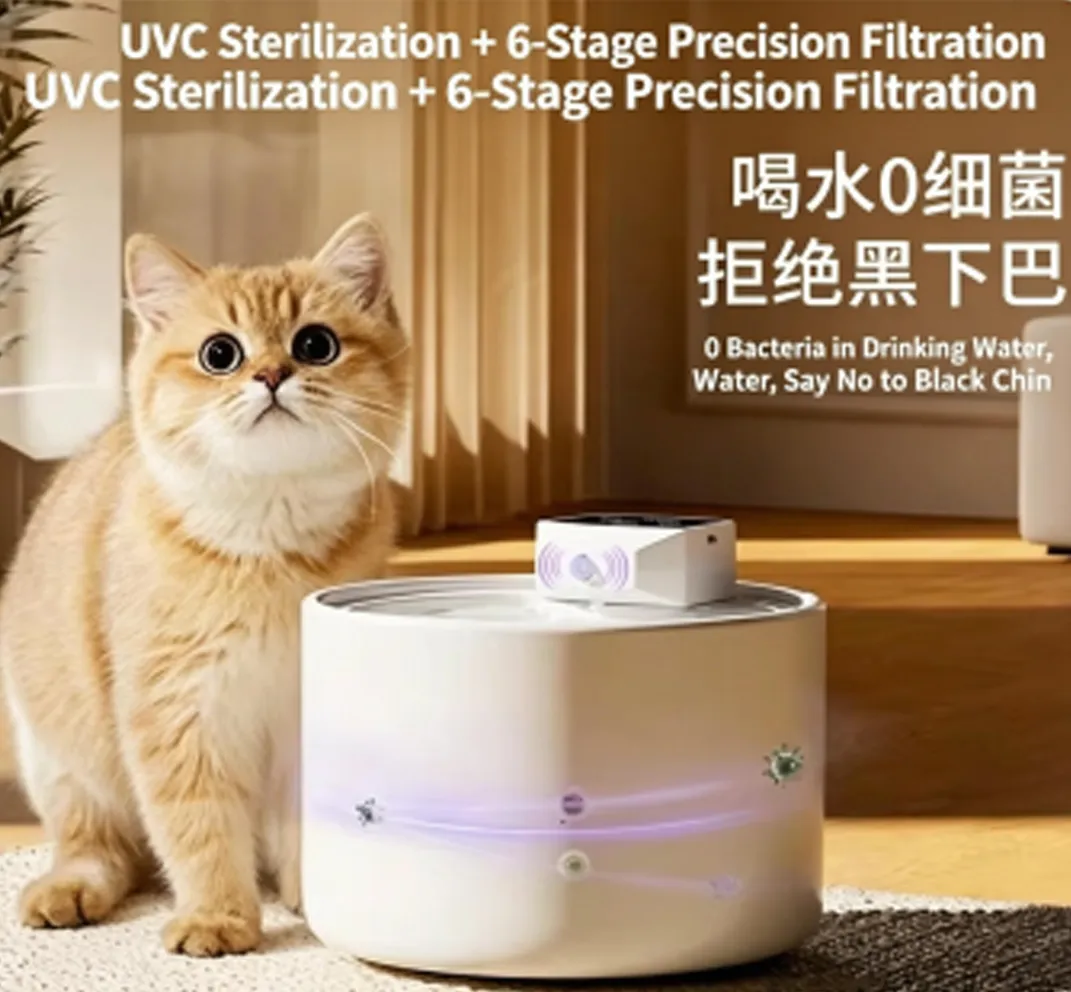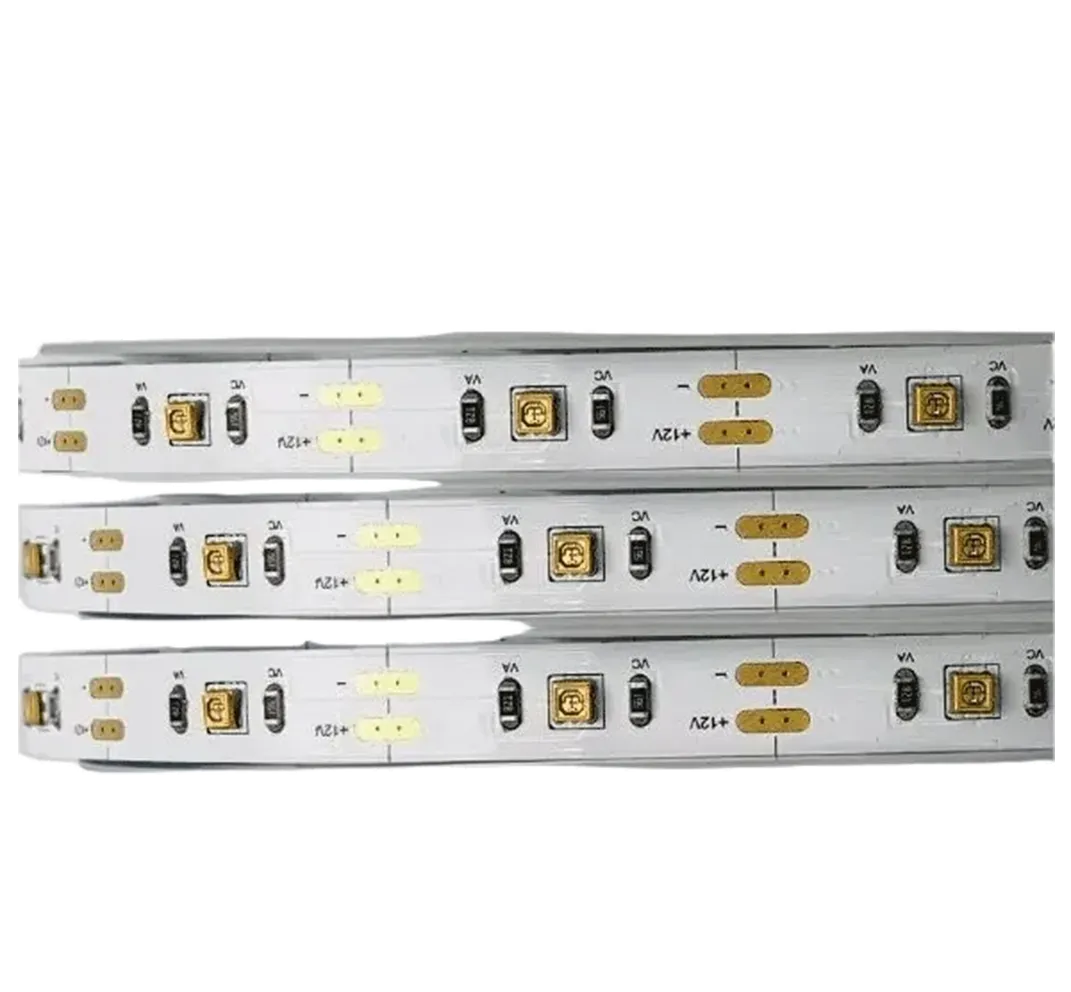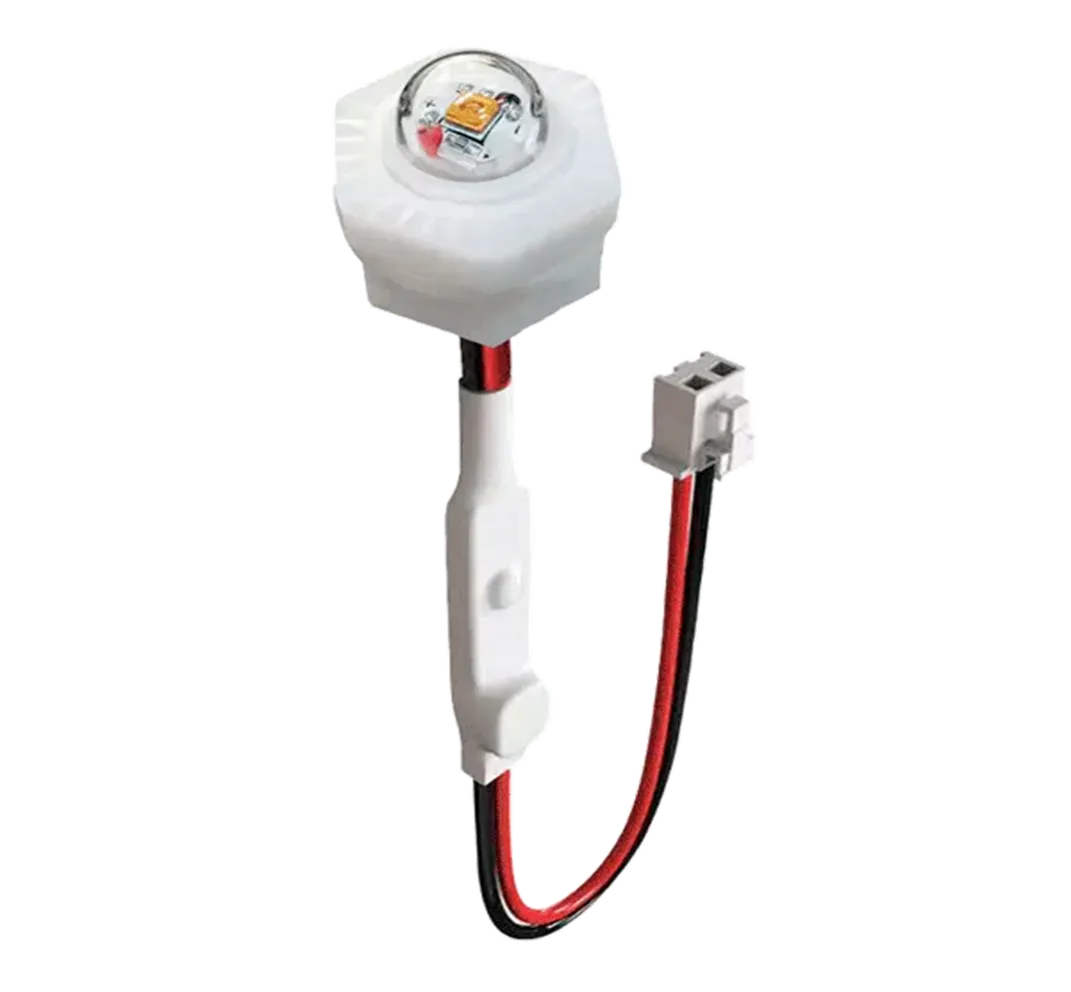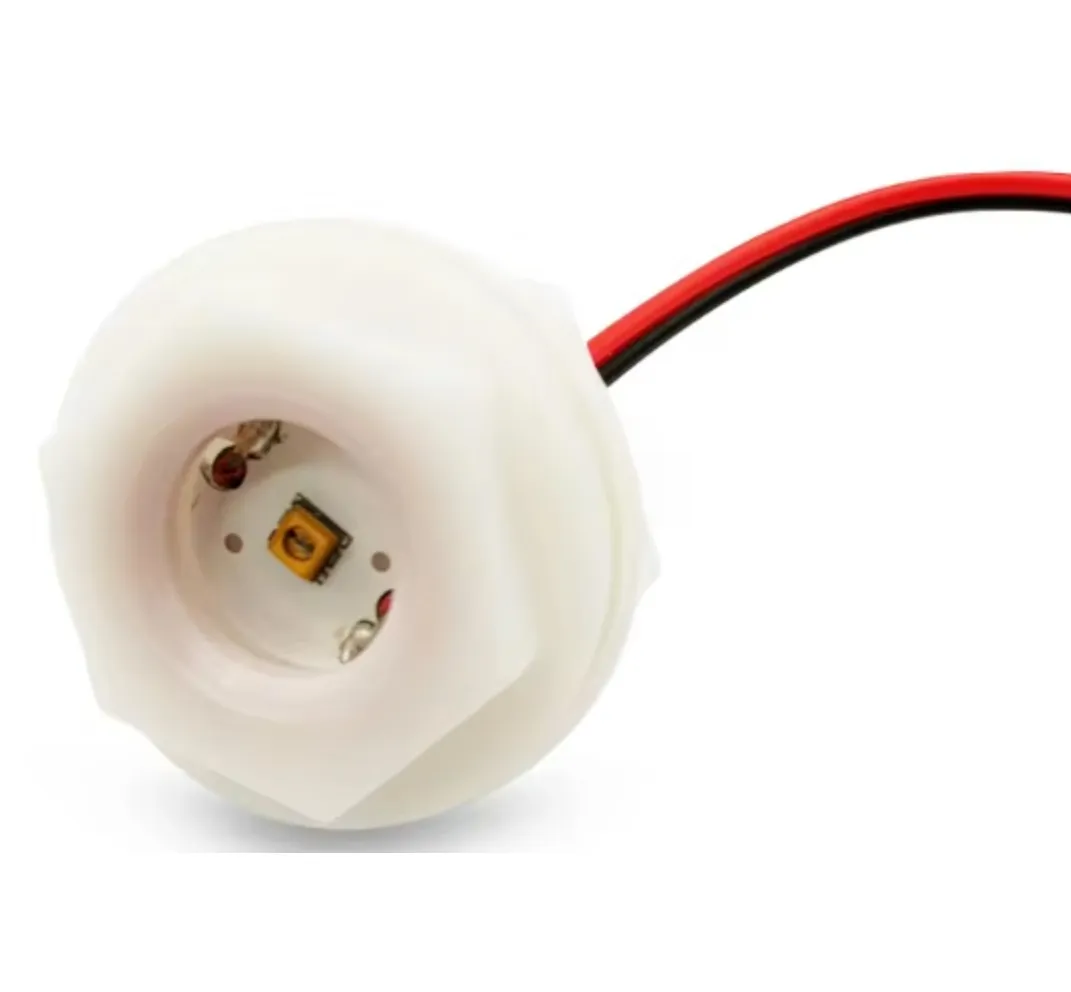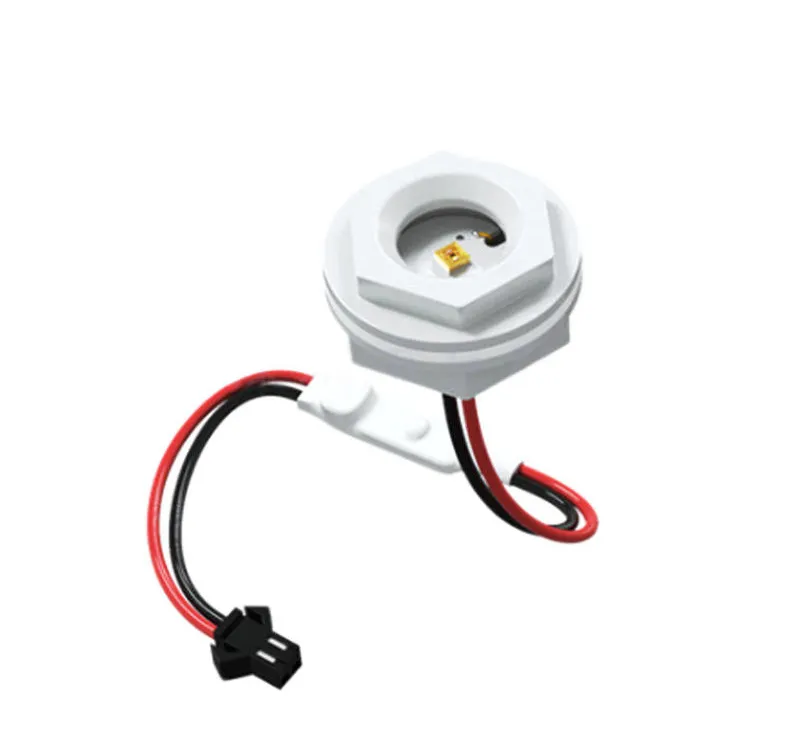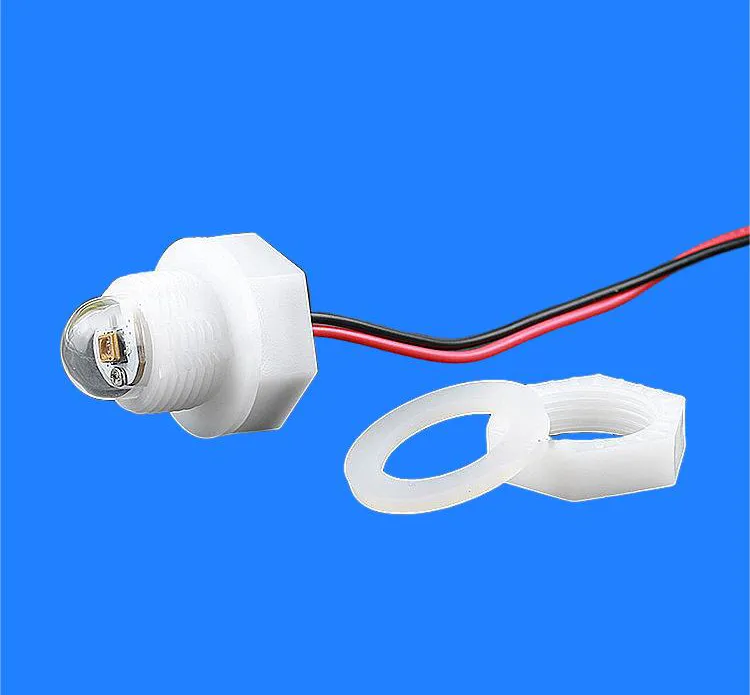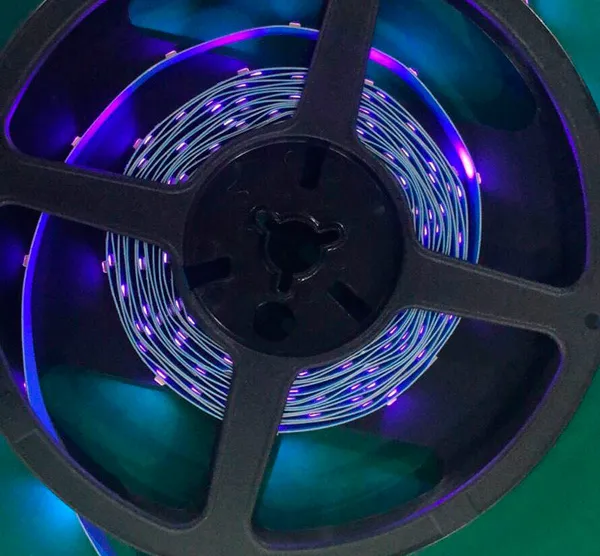
In our first edition, we explored static water sterilization — UVC LED modules designed for water that sits in tanks and reservoirs. This time, we're looking at the opposite end of the spectrum: flowing water systems, where water moves continuously through pipes, conduits, and production lines.
Static water sterilization is ideal for appliances like water dispensers and pet fountains. But in food processing plants, the challenge is entirely different. Water flows constantly. Production lines run 24/7. And the stakes are higher — contamination can lead to product recalls, regulatory fines, and brand damage.
This is where UV LED flowing water sterilization systems come in.
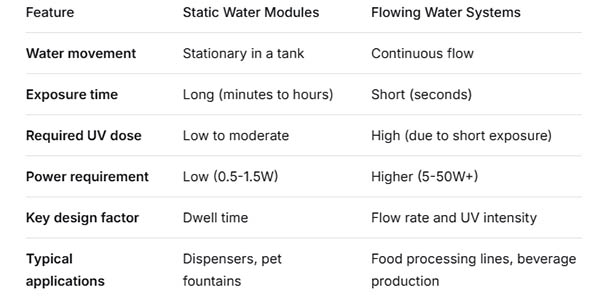
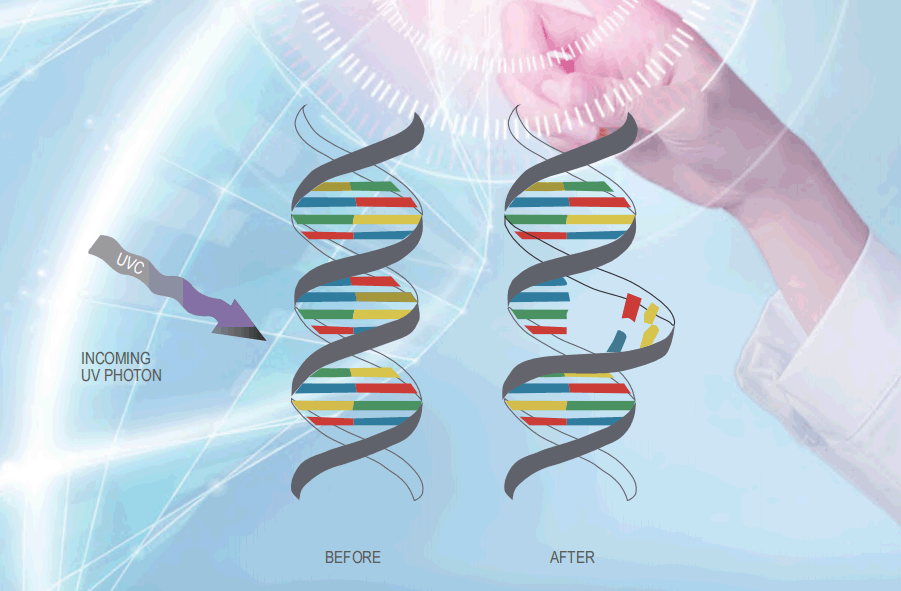
In static systems, the water sits still, giving UVC light time to work. In flowing systems, the water passes through the UV field in seconds. To achieve the same 99.9% reduction, the UV intensity must be much higher, and the reactor design must ensure every drop of water receives sufficient exposure.
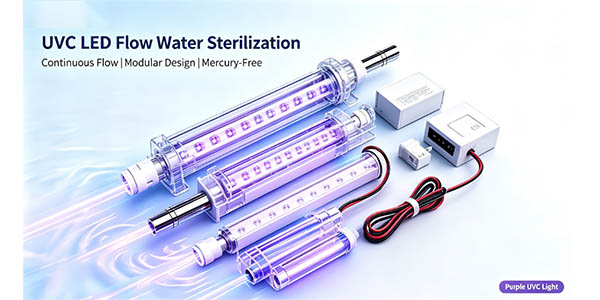
A typical flowing water UV LED system consists of:
A flow-through chamber — water enters one end and exits the other
UV LED arrays — multiple LEDs arranged around or inside the chamber
Quartz windows or sleeves — protect LEDs while allowing UV transmission
Flow sensors — detect water movement and activate the LEDs only when needed
Control electronics — monitor UV intensity, temperature, and runtime
The key engineering challenge is flow distribution. Water flowing through a pipe doesn't move uniformly — the center flows faster than the edges. Without proper chamber design, some water gets overexposed, while other parts remain undertreated.
Computational Fluid Dynamics (CFD) simulations are now used to optimize reactor design. Studies show that strategic LED placement, particularly in high-velocity regions near the outlet and center, can improve disinfection efficiency by over 20% compared to single-LED designs. The inlet and outlet pipe configurations also strongly influence UV exposure — well-designed systems achieve up to 59% efficiency, while poorly designed ones drop below 11%.
UV LED flowing water sterilization is being adopted across multiple food production scenarios.
Fruits, vegetables, and meat are washed with large volumes of water before processing. This washing water can become a source of cross-contamination if not properly treated. UV LED systems installed in the water supply line continuously disinfect the water before it reaches the wash station, reducing the risk of pathogen transfer to the food surface.
Food processing equipment must be rinsed and sanitized regularly. CIP systems recirculate cleaning solutions and rinse water through pipes and tanks. UV LED modules integrated into these recirculation loops help prevent biofilm buildup and maintain hygienic conditions between production cycles.
After cooking or pasteurization, many food products are cooled using water baths or spray systems. This cooling water can harbor bacteria if not continuously disinfected. UV LED systems provide chemical-free, on-demand treatment that doesn't alter the product's taste or texture.
Juices, milk, liquid eggs, and other beverages can be treated with UV LED in continuous flow systems. Unlike thermal pasteurization, which affects flavor and nutrients, UV treatment is a cold process that preserves sensory qualities while achieving microbial reduction.
A 2025 study on UV-LED reactors for liquid food disinfection demonstrated that optimized multi-LED designs can achieve over 71% efficiency, significantly outperforming single-LED systems. This validates UV-LED as a viable non-thermal alternative for liquid food processing.
In meat and poultry processing, conveyor belts are critical contamination points. UVC systems like the BlueLight SteriBelt are designed specifically for conveyor belt surfaces in meat processing, helping processors meet HACCP hygiene regulations. UV LED versions of these systems are emerging as mercury-free alternatives.
Japanese manufacturer Shikoku Chemical recently installed a UV-C LED sterilization unit in their food and beverage filling machine, using Nichia's high-power 280nm UV LED. This represents a significant shift — the food packaging industry is actively moving away from mercury lamps toward LED-based solutions.
The global UVC LED market continues to expand. Water sterilization modules already account for the largest share among all UV LED applications, and food processing is emerging as a key growth segment.
In food and pharmaceutical plants, UV lamps are commonly used to disinfect cleaning water and product-contact equipment. However, mercury lamps have significant drawbacks: long warm-up times, fragility, mercury content, and space requirements.
UV LED offers clear advantages:
Instant on/off — no warm-up, can be switched off when water flow stops
Compact design — reduces installation space by up to 75% compared to mercury lamps
No mercury — eliminates hazardous disposal risks and supports ESG goals
Dimmable — UV output can be adjusted to match flow rate, saving energy
Longer life — 10,000+ hours vs. 1,000-3,000 hours for mercury lamps
For OEMs building food processing equipment, UV LED flowing water modules offer:
Differentiation — chemical-free disinfection is a marketable feature
Regulatory alignment — as mercury lamps face increasing restrictions, UV LED is the future-proof alternative
Lower operating costs — less maintenance, no lamp replacement every 1-2 years
Improved safety — no mercury, no glass breakage risk
For food processors, the benefits are equally compelling:
Reduced contamination risk — continuous disinfection of process water
Better product quality — no chemical residues, no taste alteration
Compliance support — helps meet HACCP and other food safety standards
Sustainability — lower energy consumption, no hazardous waste
LYD Electronics has been manufacturing UVC LED modules for over 15 years. Our flowing water sterilization solutions are designed for integration into food processing equipment, beverage production lines, and industrial water treatment systems.
We support full OEM/ODM customization:
Wavelength: 260-285nm
Flow rate capacity: from 1L/min to 100L/min+
Power: customized to your application
Form factor: compact modules for tight spaces
IP rating: IP65, IP67, IP68 available
CE/RoHS/FCC certified. 80% of components manufactured in-house, from SMT assembly to final testing.
Many of our successful cases and product solutions are not fully displayed on our website. The UV LED solutions we've developed — for food processing, water treatment, appliance integration, and industrial applications — go far beyond what you see here.
Our core strength is customization. Every client has unique requirements, and we engineer solutions to match them. If you have a specific application in mind, we'd be happy to discuss how we can help.
liang@lydlighting.com | www.lydlighting.com
Next issue: We'll explore UV LED in air disinfection systems — how they differ from water applications and why they're becoming essential in HVAC and indoor air quality management.
Subscribe to UV LED Application Series for weekly technical insights.


 English
 русский
 日本語
日本語 한국어
한국어 français
 Deutsch
 Español
 português
 العربية
 italiano
 Nederland