The pet industry is undergoing a technology upgrade that most consumers haven't noticed yet.
Walk into any pet store today and look at the premium section. You'll find water fountains with built-in UVC lights. Litter boxes that self-sterilize. Grooming brushes that kill bacteria while they detangle. Pet owners are paying more for products that do more than just the basics.
This shift happened fast. Three years ago, UVC-LED in pet products was a novelty. Today, it's becoming the baseline for premium brands. And for OEM manufacturers, it's moving from "optional feature" to "competitive requirement."
This article covers:
What UVC-LED sterilization actually does in pet products
Which applications are already scaling
What the market data shows
What brands and OEMs need to know before integrating
UVC-LED technology is not complicated, but the way it's being applied across different pet products reveals some interesting patterns.
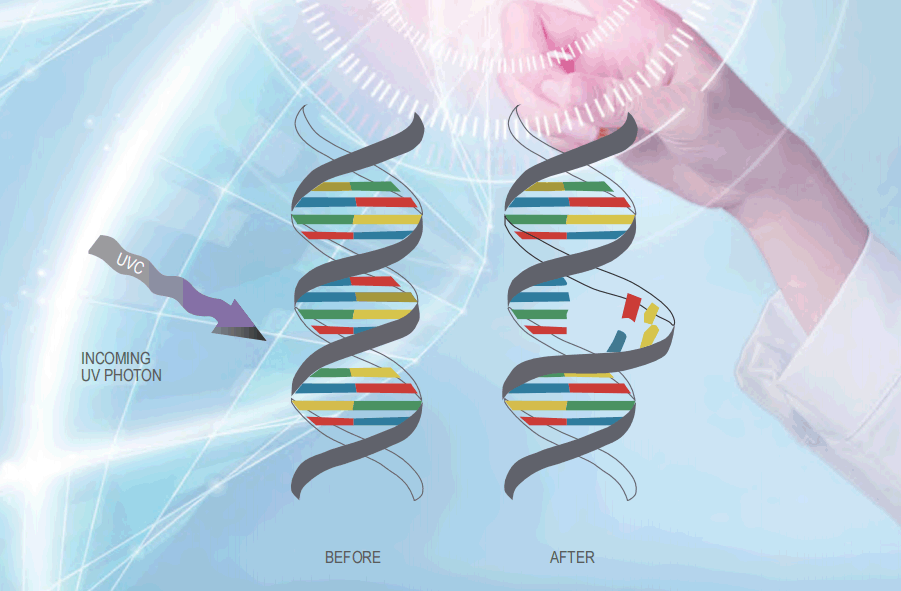
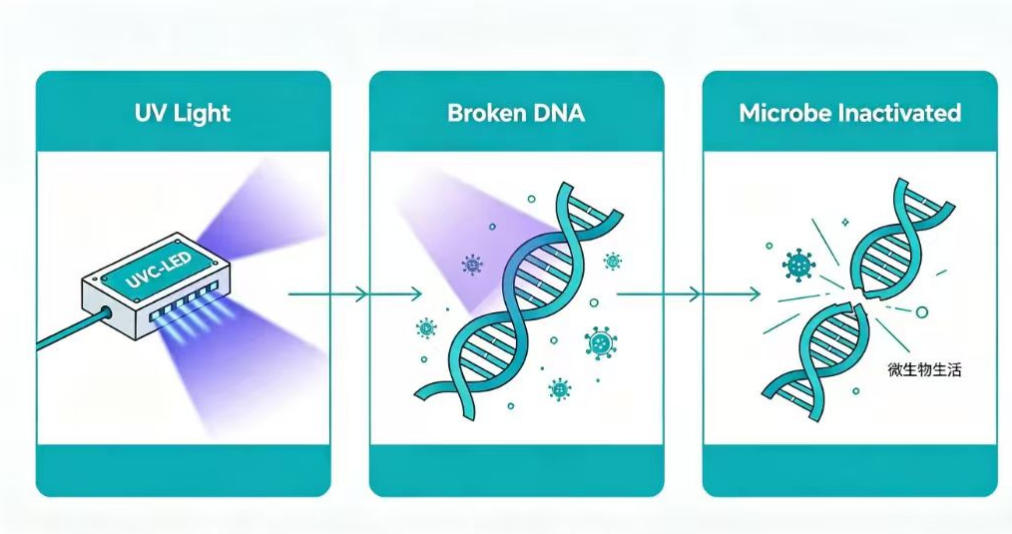
The core mechanism: A UVC-LED emitting at 260-280nm breaks down the DNA of bacteria, viruses, and other microorganisms. The peak absorption occurs around 265nm. No chemicals. No residue. No consumables. Just light.
But here's what matters for pet products specifically:
Pet products have unique constraints that other consumer goods don't. Water fountains have constant moisture—biofilm forms within 24-48 hours. Litter boxes handle waste—odor-causing bacteria thrive there. Grooming tools contact skin and fur—chemical residues are unacceptable.
These constraints make UVC-LED ideal for pet applications. It works in wet environments. It works in enclosed spaces. It leaves no residue that could irritate a pet's skin or be ingested during grooming.
The threshold question for any brand: What problem are you actually solving? If you're adding UVC to your product just because it's trendy, you're doing it wrong. If you're adding it because your product has a persistent hygiene issue that chemical solutions can't fully address—you're on the right track.
1. Smart Pet Water Fountains — The Mature Application
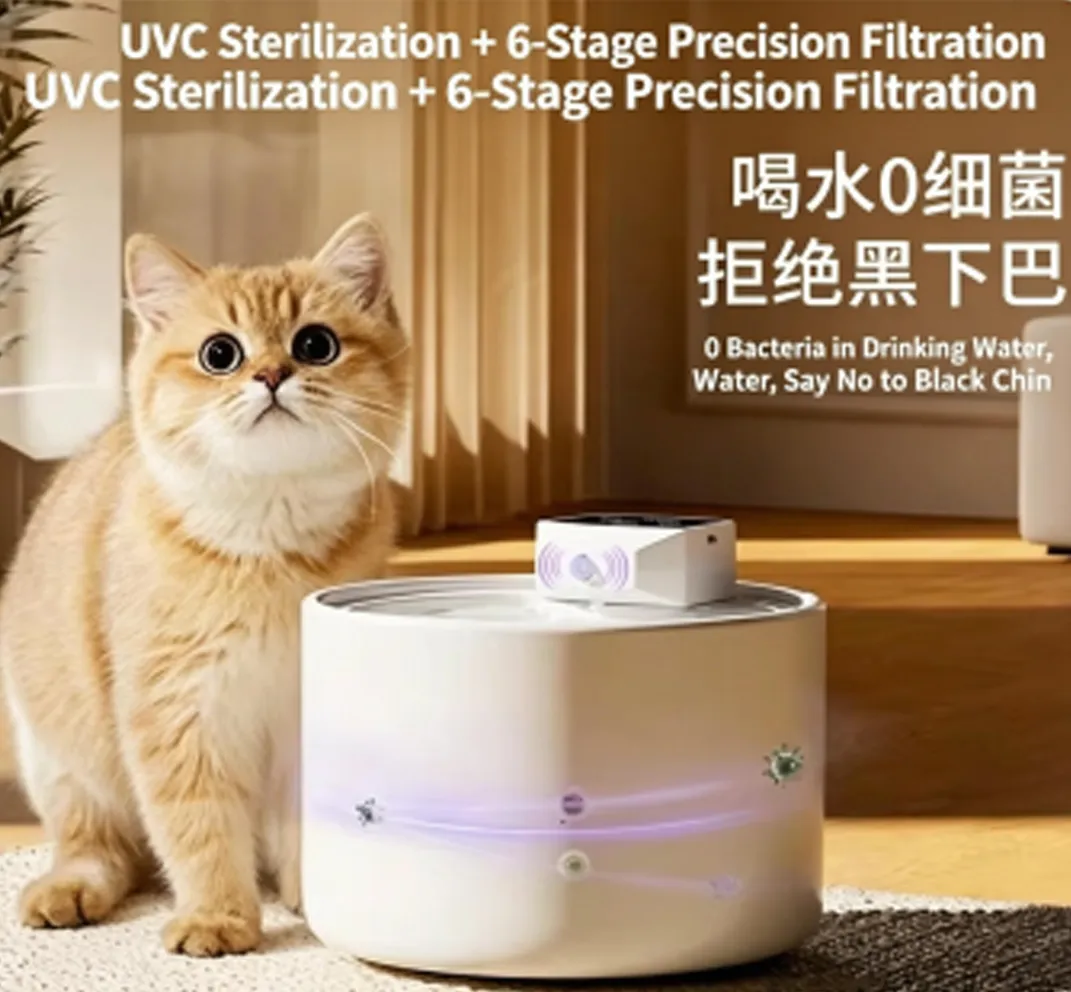
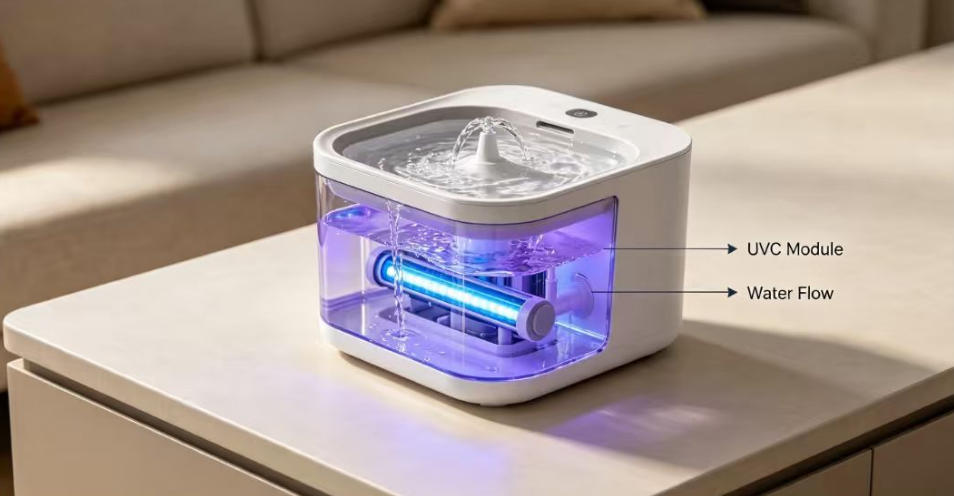
This is the most established UVC-LED pet application. Premium water fountains now routinely include UVC modules that treat water as it circulates. The value proposition is straightforward: biofilm forms in any standing water. UVC prevents it. Pets drink cleaner water. Owners replace fewer filters.
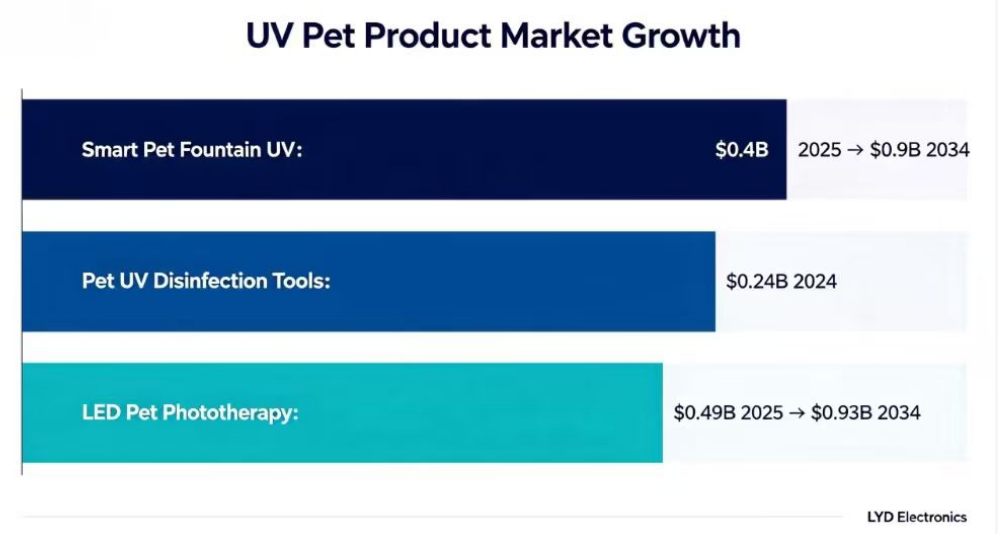
Key metric: The global smart pet fountain UV market was valued at approximately $0.4 billion in 2025 and is projected to reach $0.9 billion by 2034, at a CAGR of 9.2%.
Why this matters for OEMs: This application is mature enough that the technology is proven, but still growing fast enough that there's room for new entrants with better modules or lower costs.
2. Pet Sterilization Boxes — The Fast-Growing Application
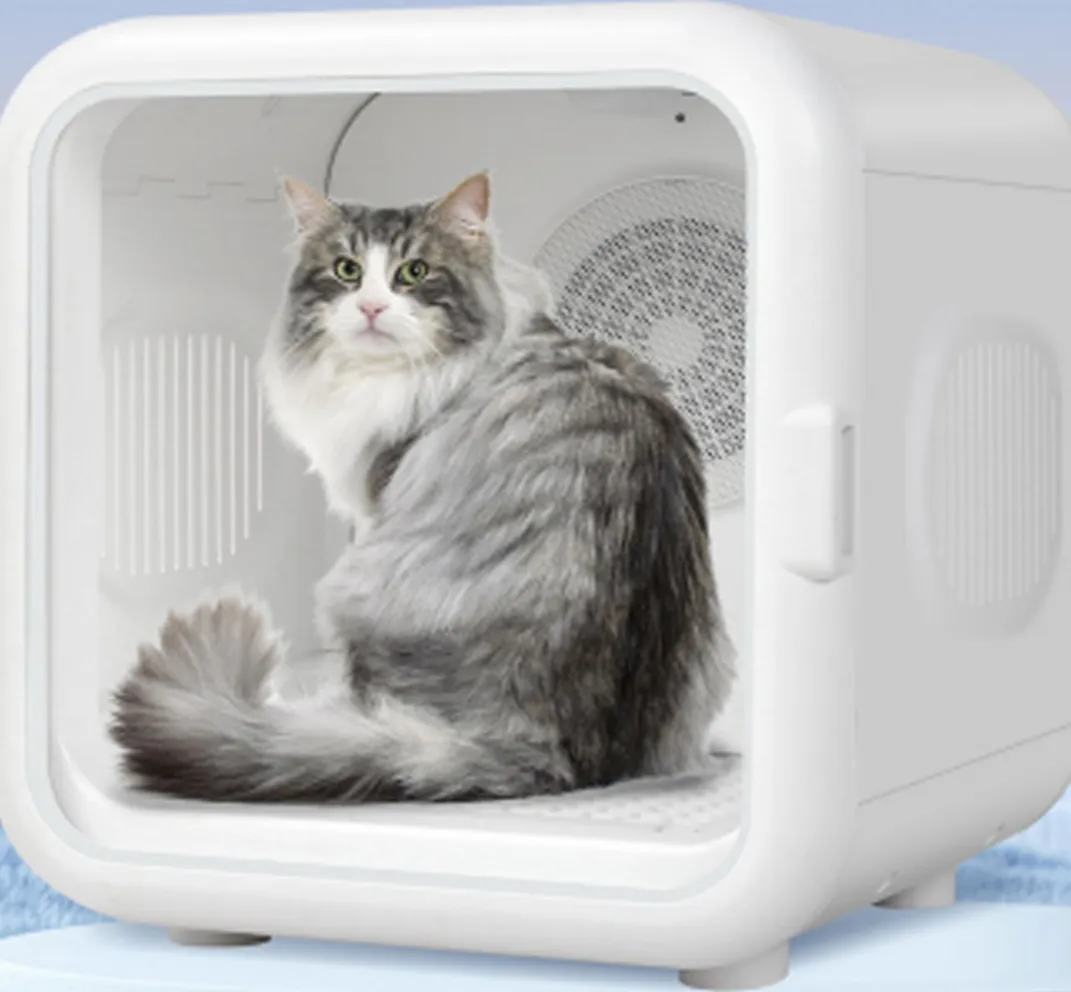
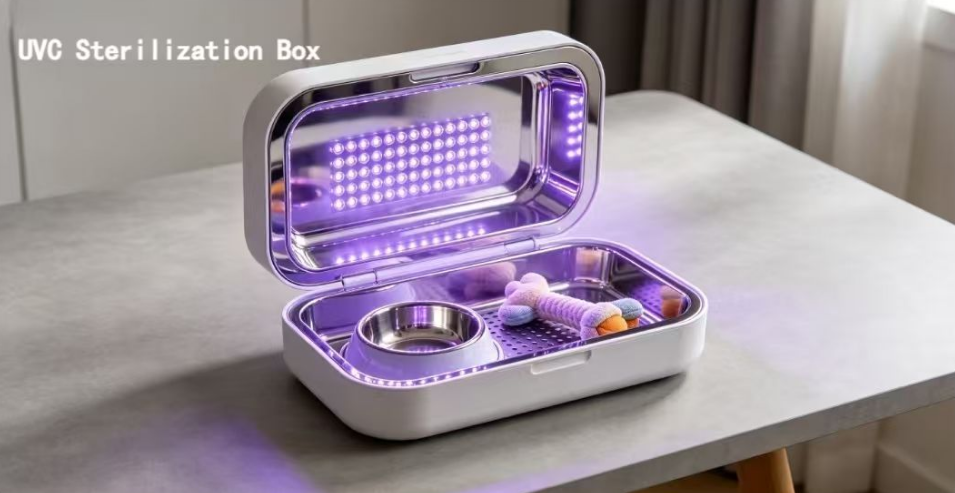
Toys. Food bowls. Leashes. Brushes. Pet beds. All of these collect bacteria. All of them are hard to clean thoroughly with chemicals because you'd need to rinse them afterward—and even then, residue concerns remain.
UV sterilization boxes solve this. Put items inside. Close the lid. The UVC-LED array runs for 5-10 minutes. 99.9% reduction. Open the lid—the automatic shut-off prevents exposure. No chemicals. No rinsing. No residue.
Key insight: This category sells on convenience, not just efficacy. Pet owners who buy sterilization boxes are buying time—they don't want to scrub toys and bowls every day.
3. Grooming Tools with UVC — The Differentiator
Pet brushes with UVC sterilization are the newest category. The logic is simple: brushing a pet collects dander, debris, and bacteria on the bristles. If you don't clean the brush regularly, you're reapplying bacteria the next time you use it.
UVC brushes kill bacteria on the bristles during or immediately after use. Some designs emit UVC while brushing—the blue glow signals "this is working" to the user. Others sterilize the brush in a charging dock.
Key metric: Studies show some UVC grooming products achieve up to 99.8% germicidal rate on brush surfaces.
4. Reptile UVA/UVB Lamps — The Established Replacement Market
This is technically UV, but not UVC. Reptiles need UVA (330-395nm) for appetite and digestion, and UVB (295-310nm) for vitamin D3 synthesis. The traditional solution was mercury vapor or fluorescent lamps.
UV LED is now replacing both—offering longer lifespan, instant start-up, and no mercury disposal concerns. For brands that manufacture reptile lamps, the question is no longer whether to switch to UV LED, but when.
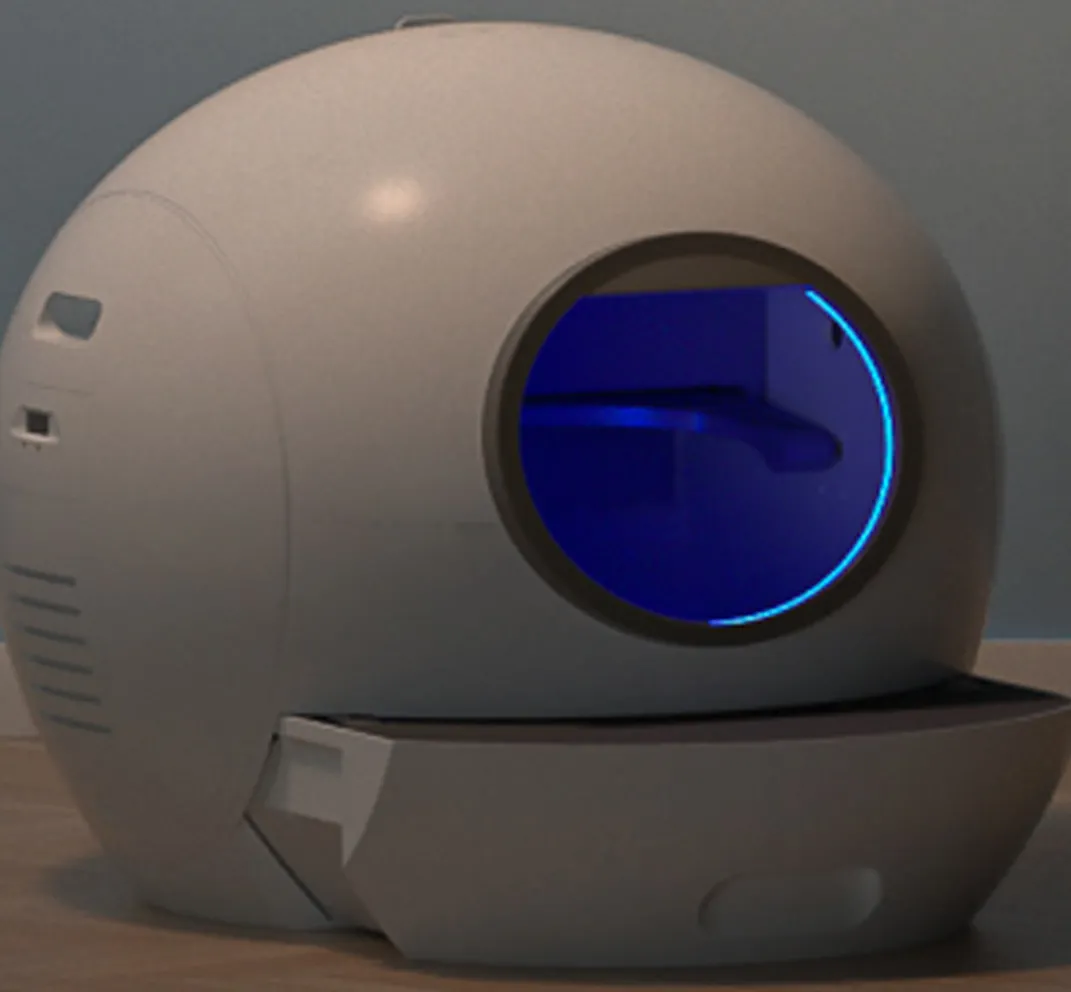
5. Smart Litter Boxes — The Integration Play
The UVC integration in litter boxes serves a specific purpose: the waste compartment where odors develop. A UVC module embedded in the enclosed waste section kills bacteria that produce ammonia and other unpleasant odors.
Combined with automatic scooping, weight detection, and APP monitoring, UVC is becoming the "deodorizing" feature that lets brands differentiate in a crowded category.
Let's look at the numbers across three related but different markets:
Market Segment | 2025 Value | Projected | CAGR |
Pet Fountain UV | $0.4B | $0.9B (2034) | 9.2% |
Pet UV Sterilizer Wands | $0.24B | - | - |
Pet Light Therapy (LED) | $0.49B | $0.93B (2034) | - |
The pet light therapy device market is particularly interesting. The LED segment accounts for 48.5% of that market—the largest share. By 2034, that segment alone is projected to reach $934 million.
What these numbers tell us: The market is not hypothetical. Consumers are already buying UV-integrated pet products. The question for brands and OEMs is not whether demand exists—it clearly does. The question is whether you'll capture your share of it.
A practical note on pricing: Industry data suggests that adding UVC functionality to a pet product commands approximately 18% higher average selling price. This premium persists across categories—fountains, grooming tools, and litter boxes all show similar price lifts.
For brands, this means the UVC upgrade pays for itself. For OEMs, it means manufacturers who can deliver reliable UVC integration at competitive cost are positioned to win business from brands looking to move upmarket.
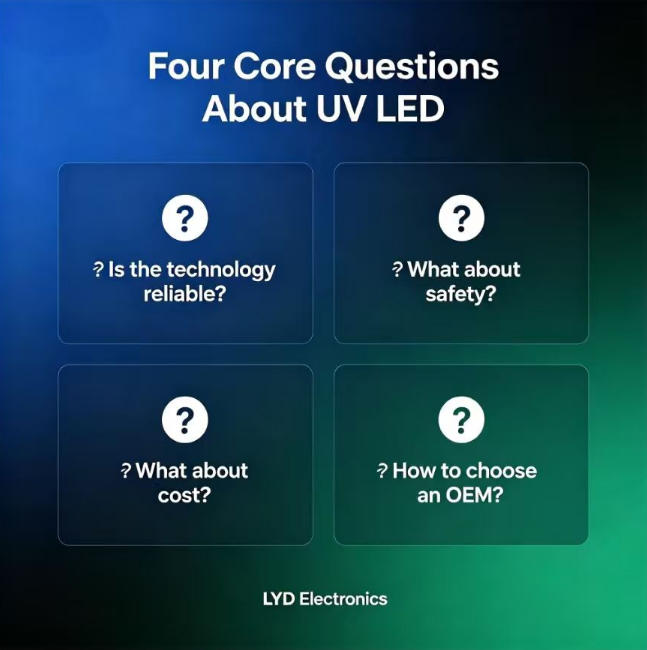
1. "Is the technology reliable enough for consumer use?"
Yes. UVC-LED modules from established manufacturers offer 10,000-20,000 hours of useful life—that's years of daily use. The challenge is not the LED chip itself, but the thermal management and driver design around it. Heat kills UVC-LEDs faster than anything else. This is where OEM experience matters.
2. "What about safety concerns?"
UVC is harmful to eyes and skin. This is true. It's also a solved problem in consumer product design. The standard approach: motion sensors that turn off UVC when motion is detected, tilt switches that shut off if the product is tipped over, lid sensors that cut power when opened.
Products designed for use in occupied spaces (like water fountains or grooming tools) typically use enclosed UVC modules that never expose the user to direct UVC light. Products where user exposure is possible (like sterilization boxes) use mechanical interlocks. All are well understood. All are testable.
3. "What about cost?"
Cost has been the barrier, but it's falling fast. UVC-LED chip costs have declined significantly in the past three years. For a typical pet fountain module, the cost increment is now low enough to justify the retail price premium.
The more important question is: what's the cost of not adding it? Brands that wait may find themselves competing on price with brands that already have it.
4. "How do I choose an OEM partner?"
Look for three things:
Wavelength capability: Can they deliver 260-280nm consistently? This is the germicidal band. Anything outside this range is less effective.
Thermal design experience: UVC-LEDs generate heat. Poor thermal design shortens module life.
Certification path: CE, RoHS, and FCC are table stakes. If they can't produce these, your product won't clear customs in most major markets.
One more thing: Ask for their data. A module manufacturer who can't show you their sterilization test results (for E. coli, S. aureus, etc.) hasn't done the work. Move on.
The pet industry is following the same pattern we've seen in other sectors—initial adoption by premium brands, followed by cost reduction and standardization, then mass-market penetration.
Phase 1 (2022-2024): Early adopters tested UVC-LED. High-end products. Limited consumer awareness.
Phase 2 (2025-2027) UVC-LED becomes expected in premium segments. Cost declines. Competitors follow. (We are here.)
Phase 3 (2028+): UVC-LED becomes standard across most pet product categories. Basic, universal modules available at commodity prices.
The brands and OEMs who enter in Phase 2—now—are the ones who will own the market when Phase 3 arrives. Those who wait will be playing catch-up, competing on price rather than capability.
For OEM manufacturers specifically: This transition is an opportunity to move from "component supplier" to "solution partner." Brands don't just want a UVC module. They want to know how to integrate it. They want design guidance. They want certification help. OEMs who provide these services will build sticky, long-term relationships.
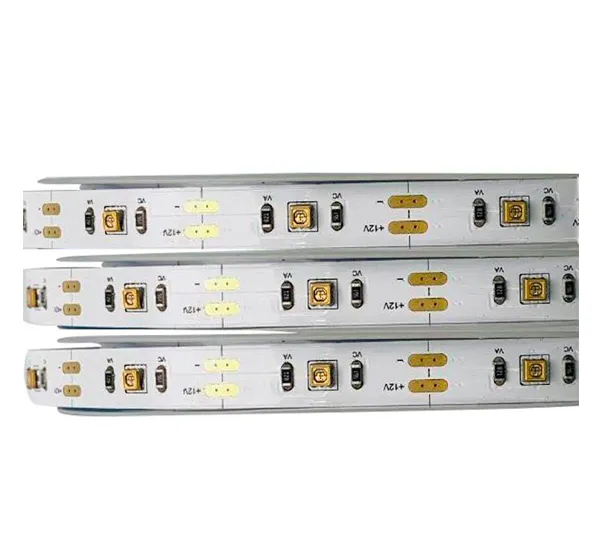
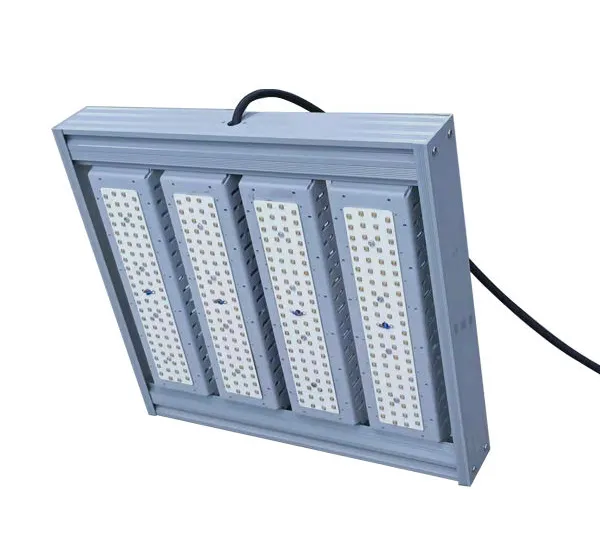
We manufacture UVC-LED modules for pet product brands and OEMs.
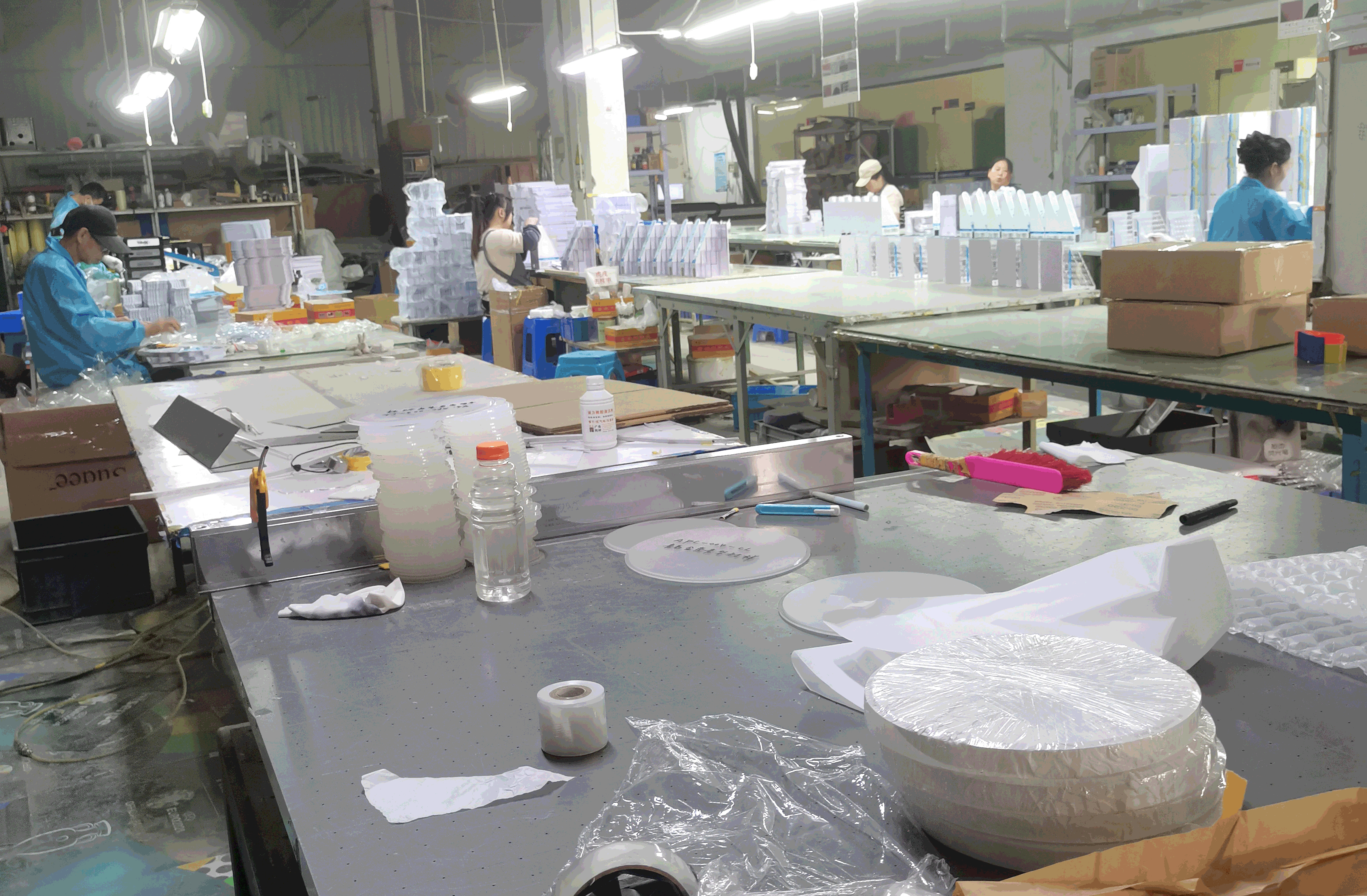
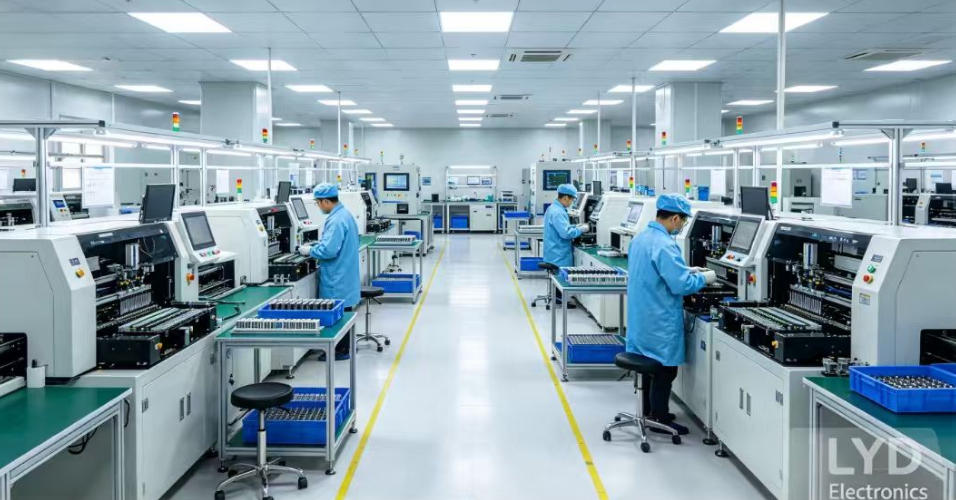
We started in 2011. Our modules are CE/RoHS/FCC certified. Our facility is 3,000㎡. We manufacture 80% of components in-house—SMT assembly to final testing under one roof.
Our pet application modules include:
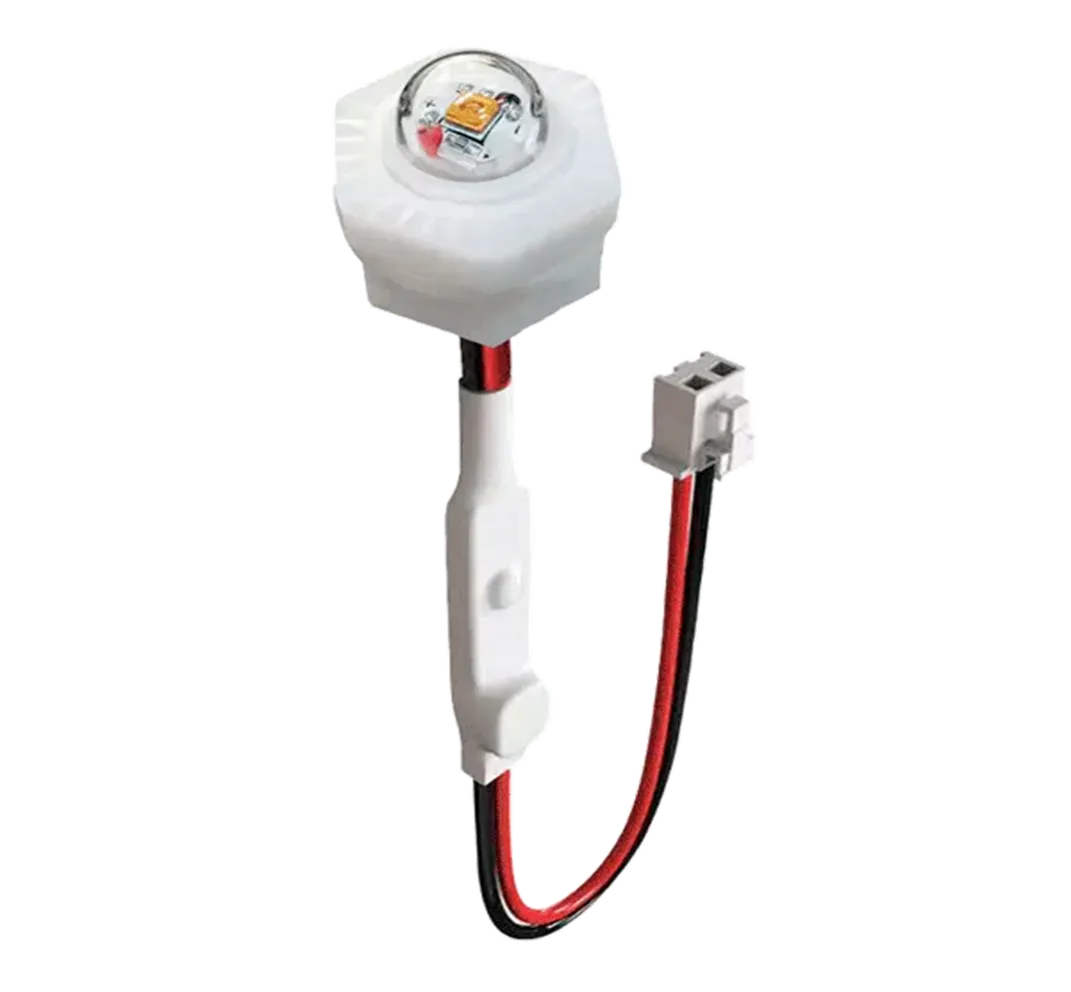
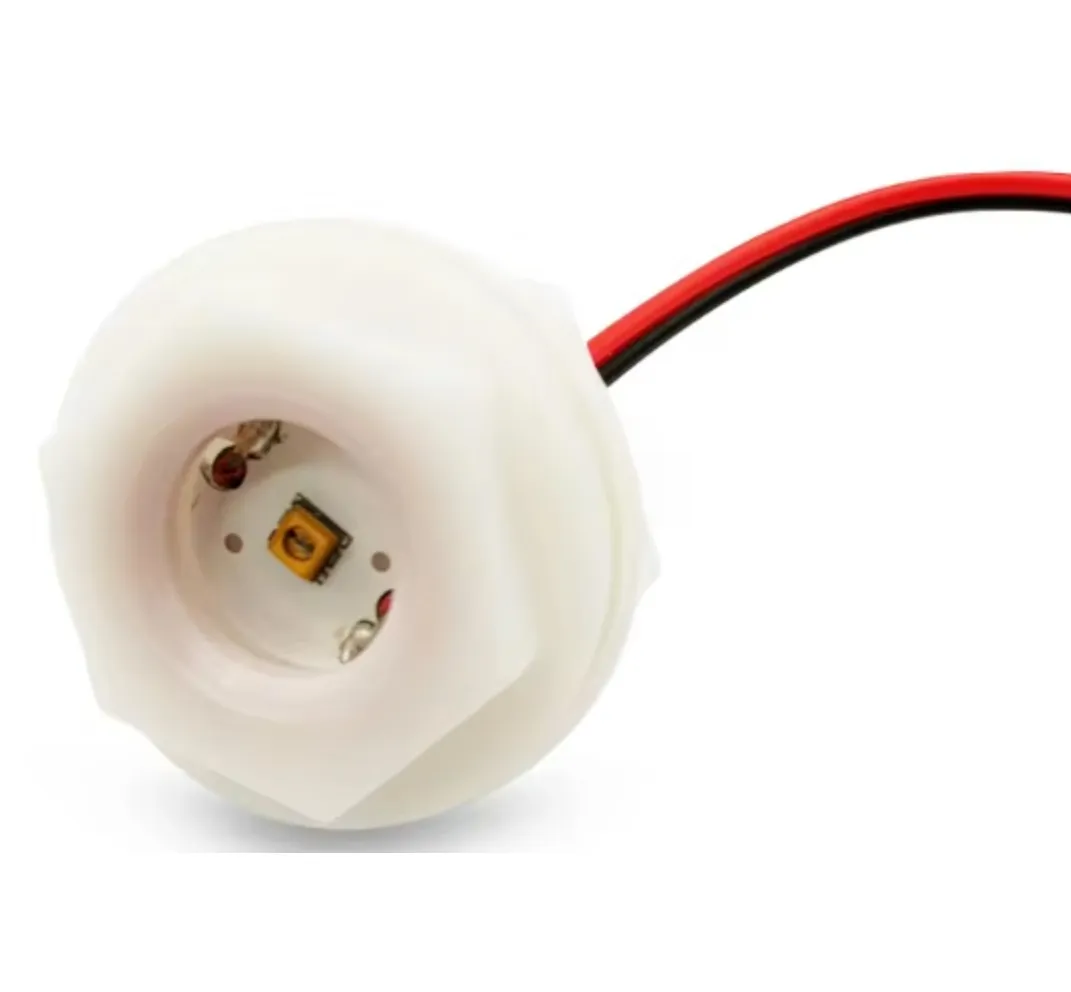
UVC water sterilization modules (fountains, pet waterers)
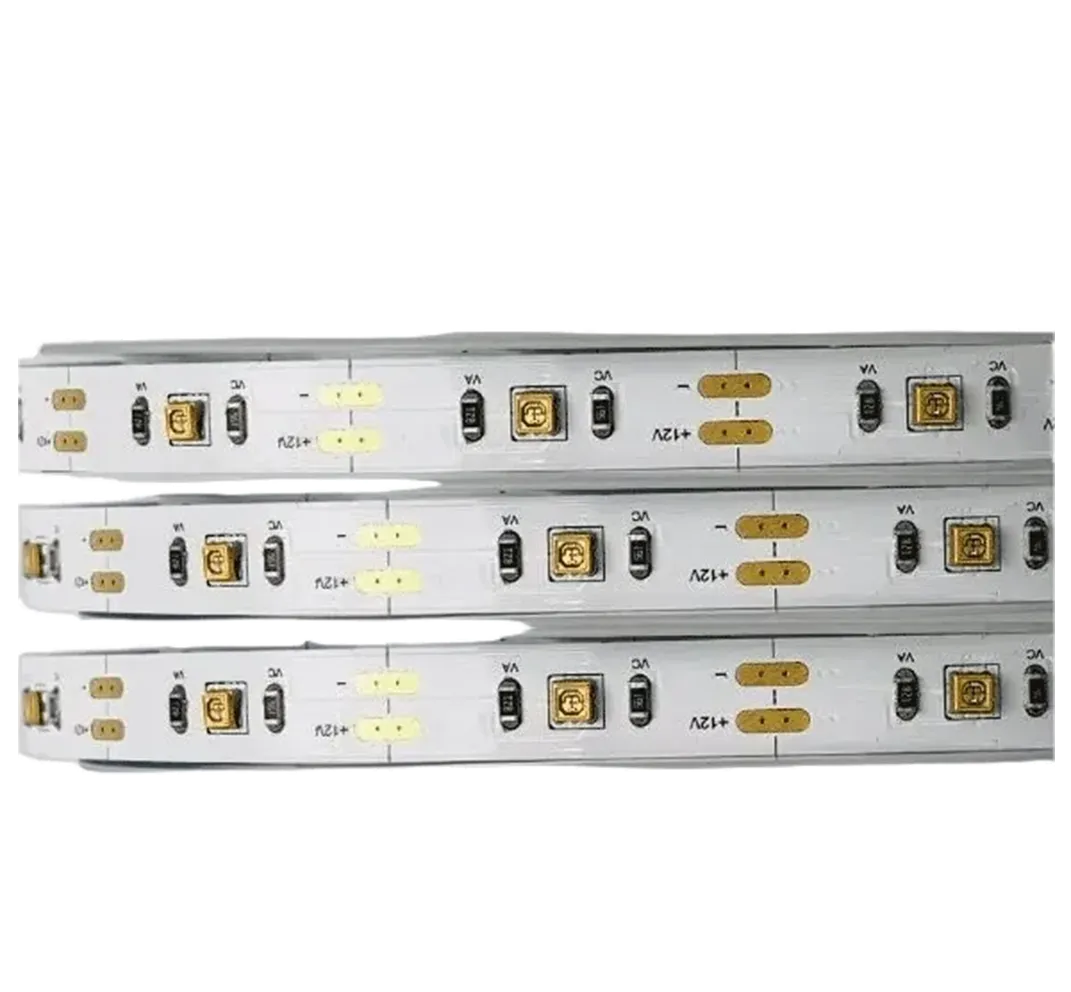
UVC air and surface modules (sterilization boxes, grooming tools)
UVB/UVA LED modules (reptile lamps)
Custom modules per brand specifications
We don't sell finished pet products. We sell the modules that go inside them. We don't do off-the-shelf work. Every module is customized to the client's form factor, power requirements, and application constraints.
UV LED in pet products is not a trend. It's a transition.
The technology works. The market is growing. Consumer demand exists. The question for brands and OEMs is not whether to integrate UVC-LED—it's who will integrate it best, and first.
The pet products of the future will have sterilization built in. The question is whether your brand will be the one delivering it.
Need a UVC-LED module for a pet product? We design custom solutions, not off-the-shelf parts. Send us your spec sheet: liang@lydlighting.com | www.lydlighting.com


 English
 русский
 日本語
日本語 한국어
한국어 français
 Deutsch
 Español
 português
 العربية
 italiano
 Nederland