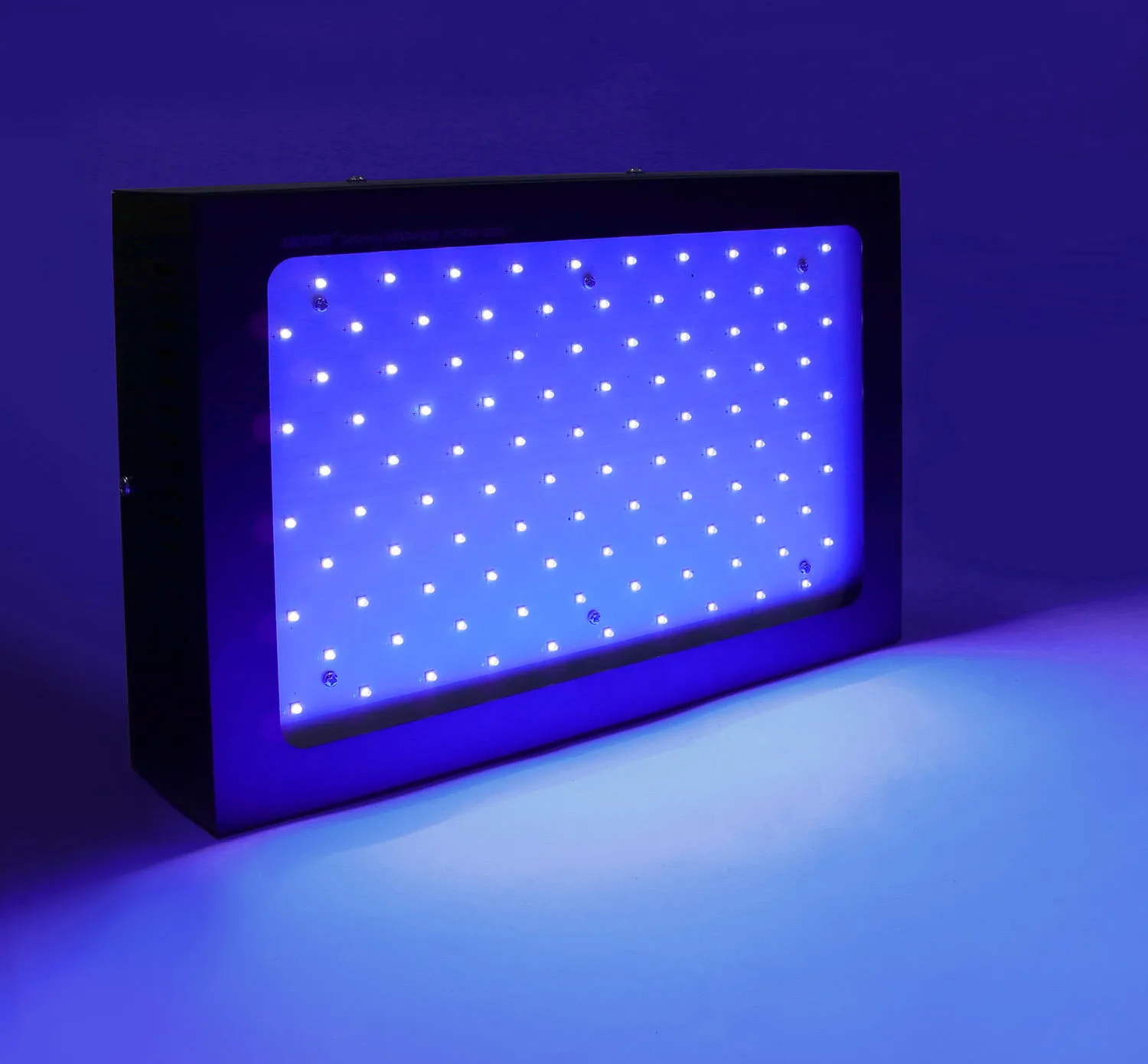
I have worked with many OEM manufacturers across water treatment, home appliances, air purification, and smart devices. Each project started with a different product and a different set of concerns — but one question almost always comes up early in the discussion, and it is often the point where things can go wrong if you only look at surface-level specifications:
“What is your wavelength?”
It sounds like a straightforward question. But the real decision behind it is more complex than choosing between 265nm and 275nm.
This is not a product catalog. It is written for engineers, procurement professionals, product managers, and brand owners who are in the process of selecting a UVC-LED module for their product. My hope is that, after reading this, you will have a clearer sense of what you actually need — and a better idea of which suppliers are worth a serious conversation.
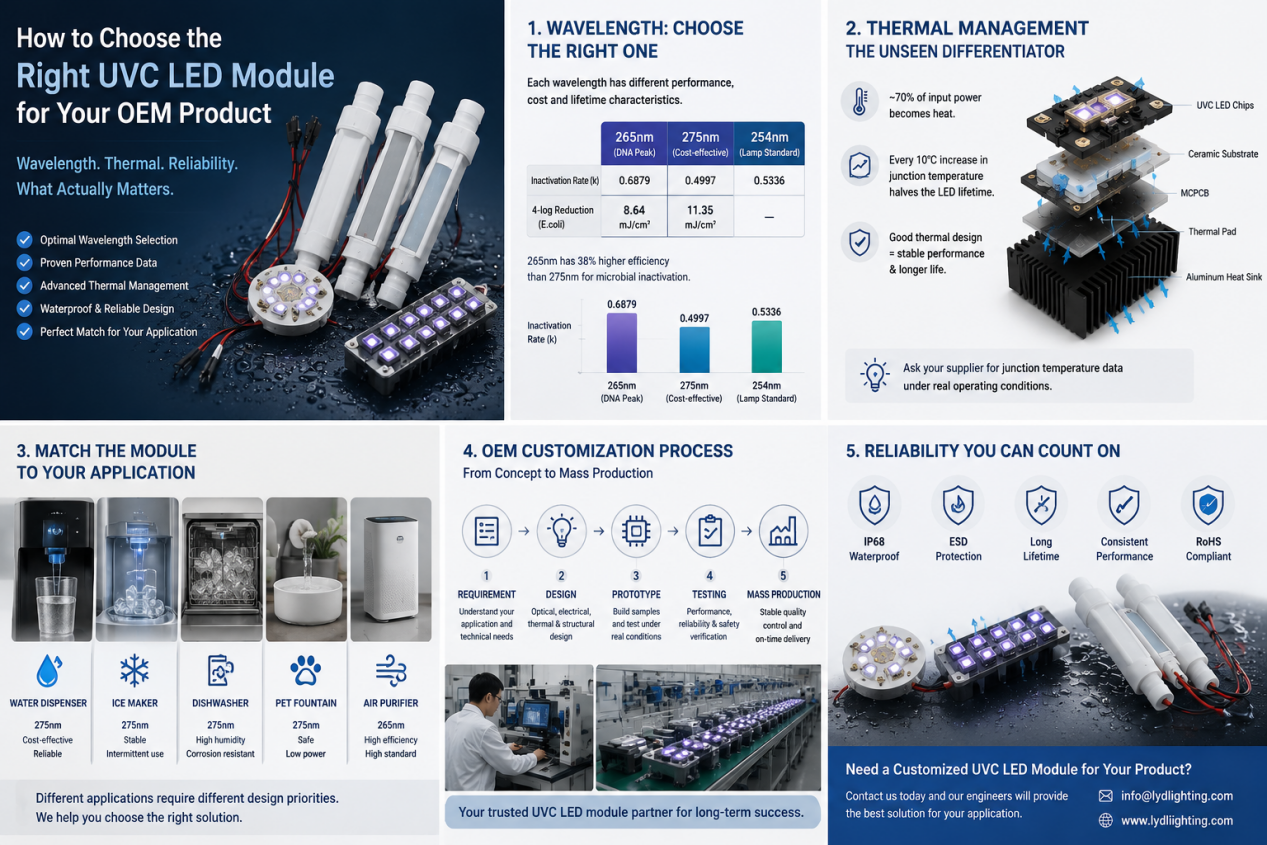
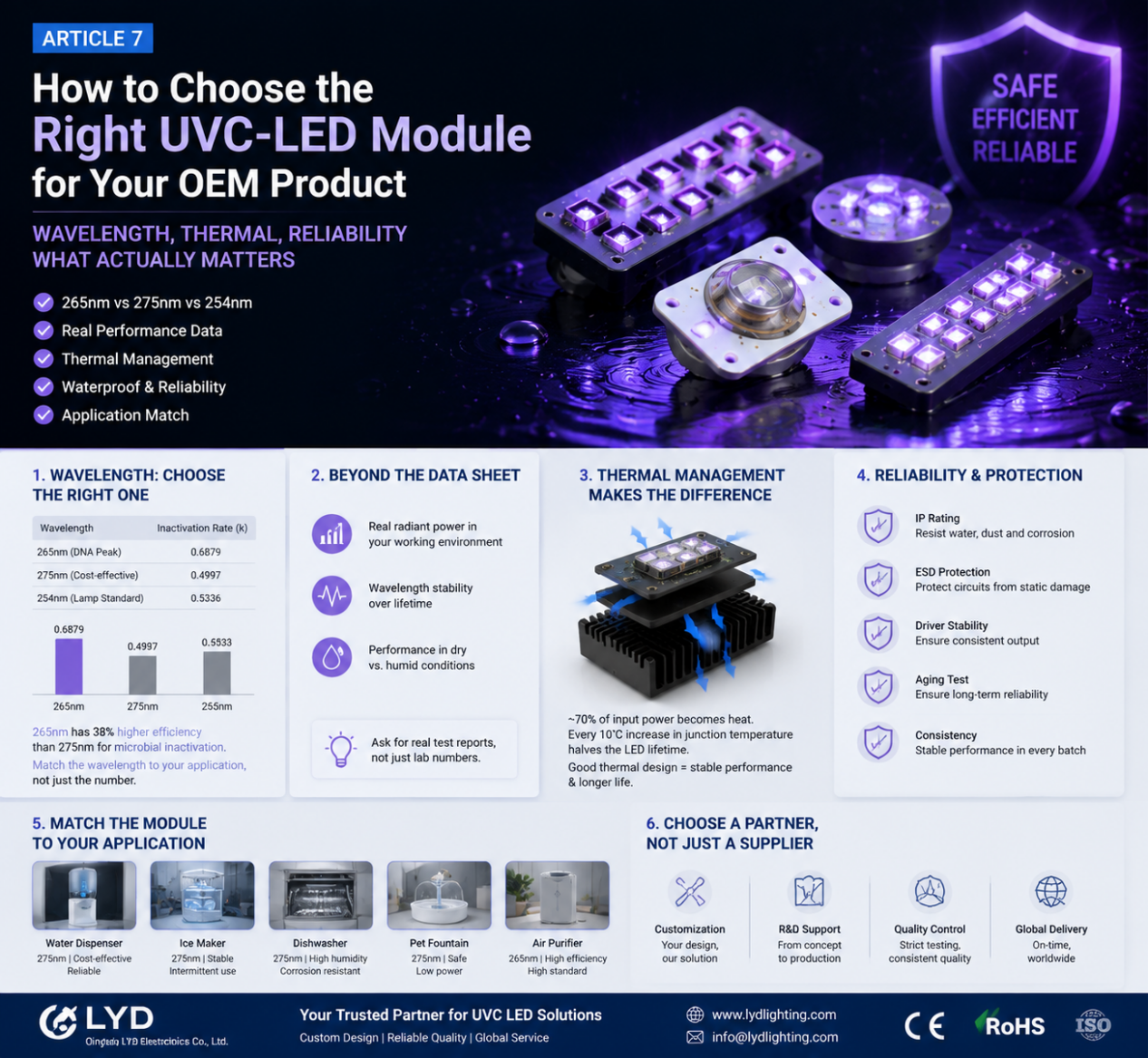
265nm is the DNA absorption peak. Microbial DNA absorbs UV most efficiently around 260–265nm. Research data shows that the inactivation rate constant for E. coli at 265nm is approximately 0.69, compared to 0.50 at 275nm. Under comparable test conditions, 265nm delivers better germicidal efficiency.
275nm is cheaper to manufacture. Suppliers tend to recommend 275nm not because it works better, but because the chip yield is higher, the manufacturing cost is lower, and the availability is better. For most appliance applications where 99.9% reduction is the target and the system runs intermittently, 275nm is a cost-effective and reliable choice.
254nm is a mercury lamp standard, not an LED standard. If your requirement specifies 254nm, it is worth asking whether you actually need that specific wavelength — or whether you are referencing the number you are used to from mercury lamps. For many applications, a 265nm or 275nm LED will meet or exceed the same performance target.
Selection guide:
Medical devices, food contact surfaces, high-grade water treatment → 265nm, where performance matters most
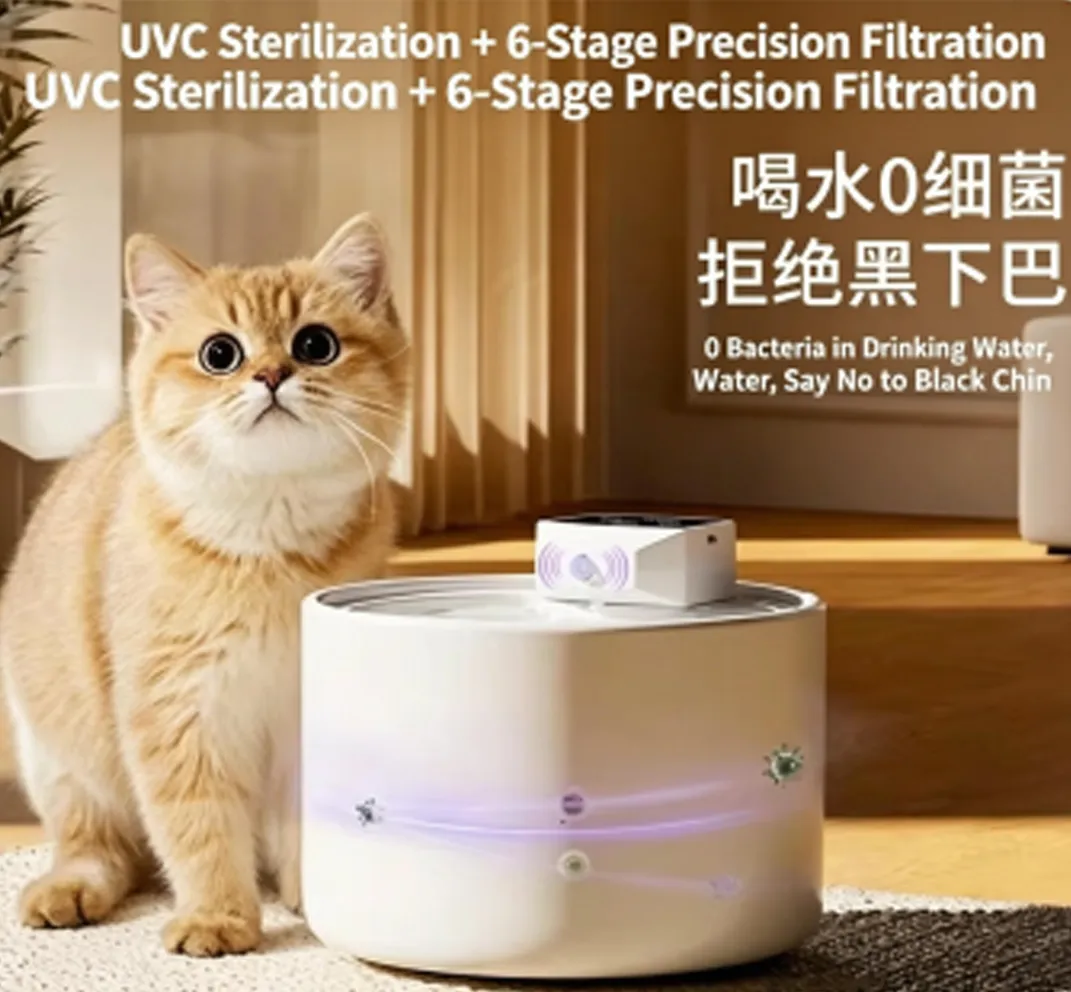
Water dispensers, ice makers, dishwashers, pet fountains → 275nm, where cost and reliability are the priority
If you are specifying 254nm → consider whether you need that specific number, or the actual germicidal result
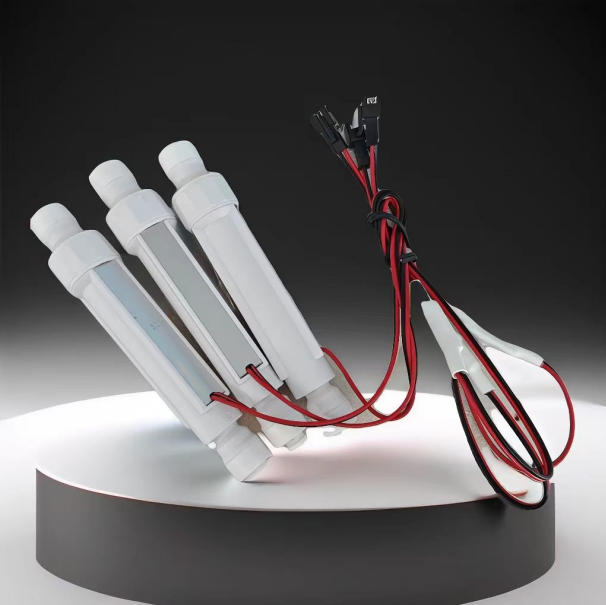
Based on our actual production experience, here are the recommended module configurations for different applications:
Application | Recommended Configuration |
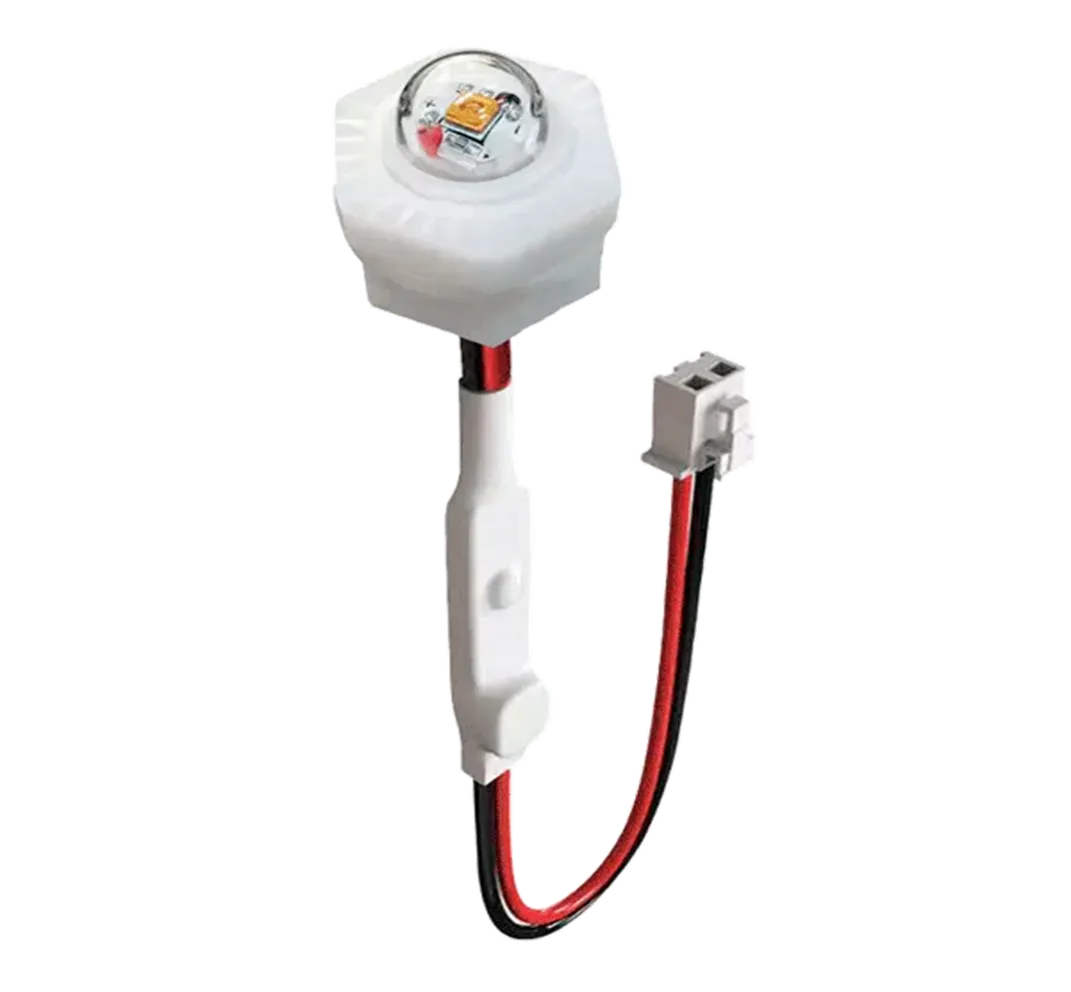
Pet fountain, countertop dispenser | 12V / 40mA / ≥6mW / 270-280nm / IP68 / 31.5×31.5×24.3mm |
Ice maker, humidifier | 12V / 60mA / ≥6mW / 270-280nm / IP68 / 66.0×32.3×30.0mm |
Dishwasher, washing machine | 12V / 55mA / >8mW / 270-285nm / IP65 / 81.4×37.7×10.1mm |
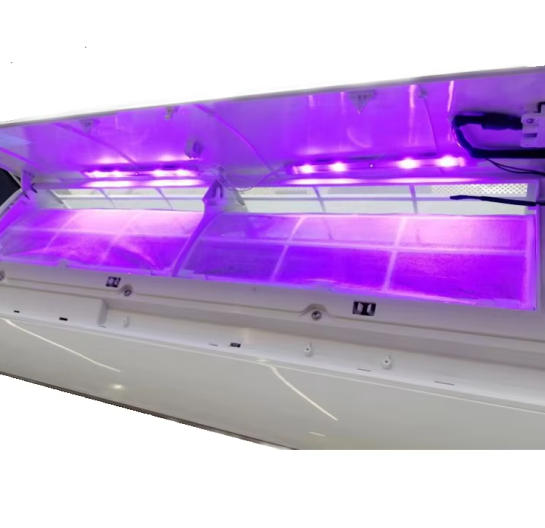
Air conditioner (in-duct) | 12V / 55mA / >8mW / 270-285nm / IP65 / 81.4×37.7×10.1mm |
Water purifier (in-line) | 12-24V / ≤10W / ≥280mW / 270-280nm / ≥99.99% / 7L/min / Φ51.5×87mm |
High-flow water treatment (20L/min) | 180-265V / ≤20W / ≥780mW / 270-280nm / ≥99.99% / Φ82.1×256mm |
Smart toilet | 12V / 20mA / ≥3mW / 270-280nm / IP68 |
Baby sterilizer cabinet | 12V / 60mA / 260-280nm / ≥99.9% / 120° |
Dust mite remover / freezer | 12V / ≤250mA / ≥50mW / 270-285nm / ≥99.9% / 150 |
This table is not a full product catalog. It summarizes configurations we have already delivered. If your application is not listed, contact us to discuss whether a solution exists.
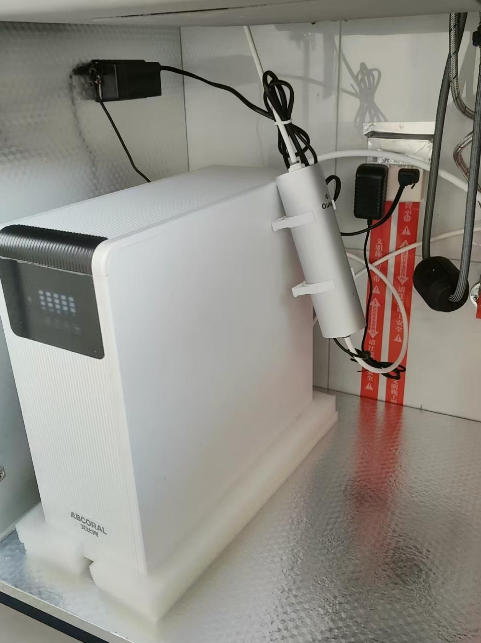
Radiant power is another commonly misunderstood specification. The output of a module is not the same as the output of the chip. The final performance in your product depends on the heat dissipation conditions, installation location, and operating environment. A module that performs well in a lab test may degrade significantly when installed in a sealed enclosure.
For high-power modules (>150mW, 500mA) or high-current arrays (>250mA), the actual output may fall below the spec sheet value due to:
Limited airflow or sealed installation
Continuous operation without adequate cooling
Thermal path design that does not match the application
UVC-LED chips generate heat during operation. Approximately 70% of electrical input is converted to heat, with the remaining 30% as optical output. If heat is not managed properly, junction temperature rises — which shifts the wavelength, reduces output, and shortens lifetime.
For every 10°C increase in junction temperature, LED lifetime roughly halves.
The difference between a well-engineered module and a poorly designed one lies in the thermal path: the thickness of the aluminum PCB, the quality of thermal interface materials, the placement of thermal vias, and the copper area for heat spreading.
A supplier who can tell you the junction temperature under real operating conditions — and provide thermal simulation or measured data — is one who has done the engineering work. A supplier who only provides datasheet electrical specs may not have validated the module in your type of application.
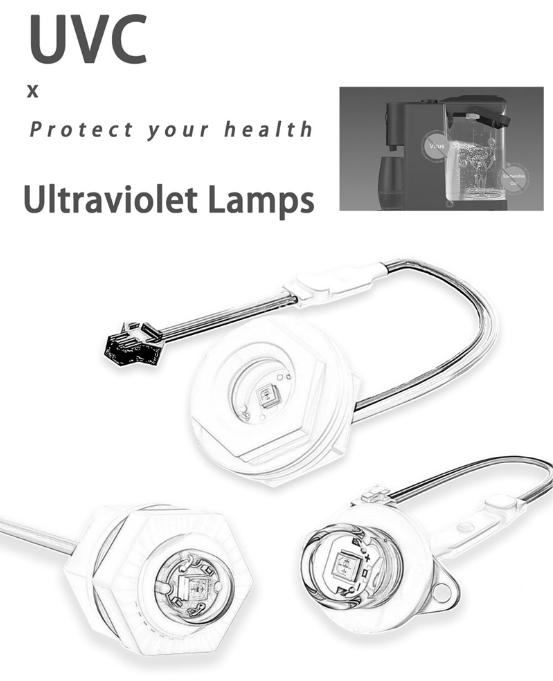
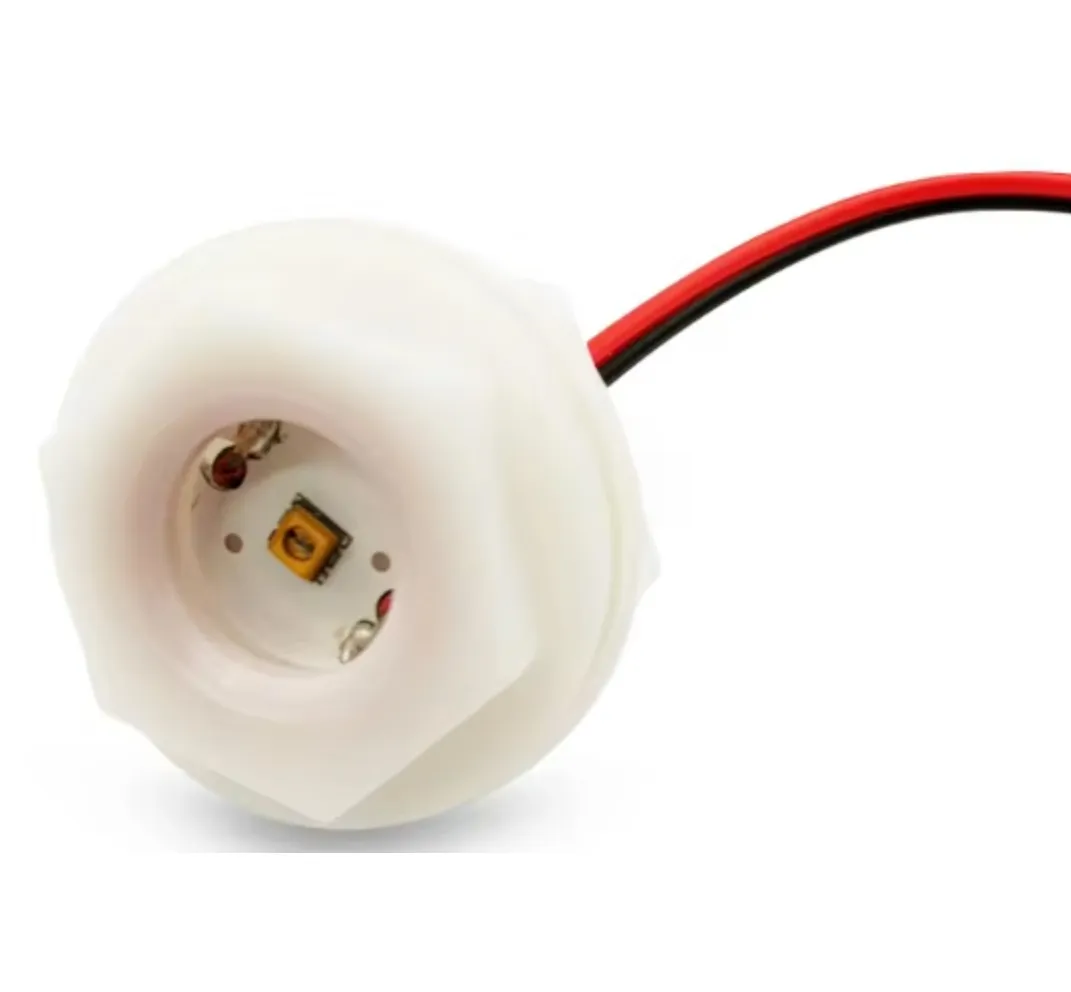
IP68 is a common selling point on many product sheets. But IP68 is not always the right specification for every application. The decision should be driven by the actual operating environment.
Application | Recommended IP Rating |
Dry environment, no condensation | IP20 |
Splashing water, no immersion | IP65 |
Continuous contact with water or immersion | IP68 |
A supplier who asks about your installation environment before recommending an IP rating is helping you control cost. A supplier who defaults to IP68 without asking may be over-specifying your product unnecessarily.
Different products require different module geometries. Here are typical configurations based on actual delivered products:
Dimensions (mm) | Typical Application |
24×24×15 | Ultra-compact integration (humidifiers, aroma diffusers) |
31.5×31.5×24.3 | Water purifiers, appliance integration |
66.0×32.3×30.0 | Dishwashers, washing machines |
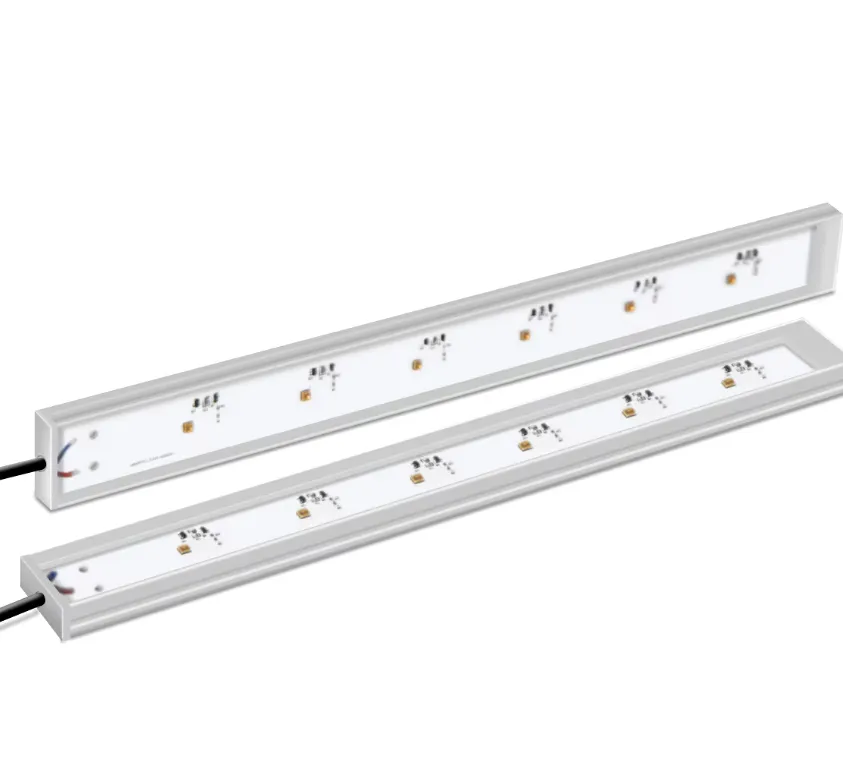
75.6×12×32 | Duct and narrow channel installations |
81.4×37.7×10.1 | Air conditioners, dishwashers (low-profile design) |
Φ18.8×10² | In-line water treatment (low flow) |
Φ29.6×75 | In-line water treatment (medium flow) |
Φ51.5×87 | Commercial water purifiers (high flow) |
Φ82.1×256 | Industrial water treatment (very high flow) |
A supplier whose product line covers these form factors has seen enough applications to understand what the market actually needs.
Asks about your application before recommending a product — this helps you avoid mismatched specifications
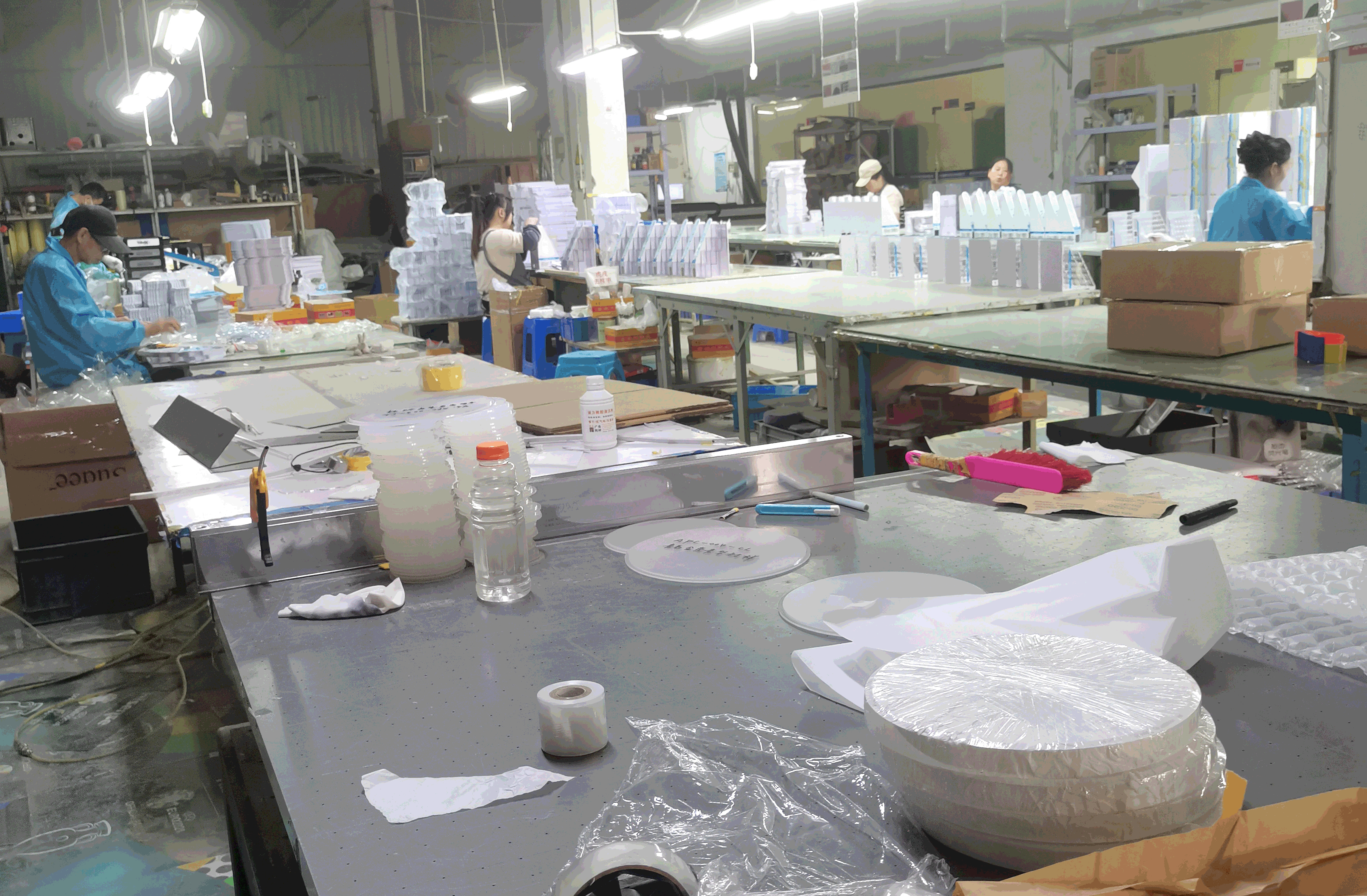
Provides thermal data, not just electrical specs — this means they have done engineering validation
Has production cases in similar applications — this means they are not encountering your requirements for the first time
Tells you what will not work — this is more valuable than a supplier who says yes to everything
Sample lead time matches production lead time — this indicates stable production management
Can explain their quality control process — this means they have visibility into their own production
Choosing a UVC-LED module is not like buying a standard off-the-shelf component. It will be integrated into your product — into your enclosure, your power supply, your cooling system, your control electronics. Its performance will become part of your product’s performance.
A capable supplier is not necessarily the one with the lowest price. They are the one who helps you avoid mistakes before they happen, and works with you after delivery to make sure it works as intended.
Need a customized UVC-LED module for your product?
Tell us about your application:
Product type
Installation space (L × W × H)
Target wavelength
Working environment (temperature, humidity, immersion)
Estimated annual quantity
Our engineers will review your requirements and recommend a suitable configuration.
liang@lydlighting.com | www.lydlighting.com


 English
 русский
 日本語
日本語 한국어
한국어 français
 Deutsch
 Español
 português
 العربية
 italiano
 Nederland