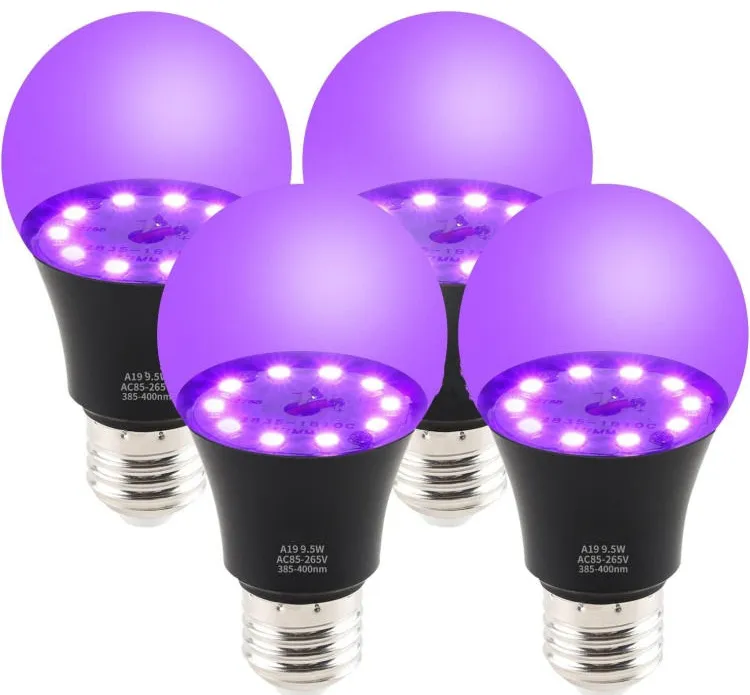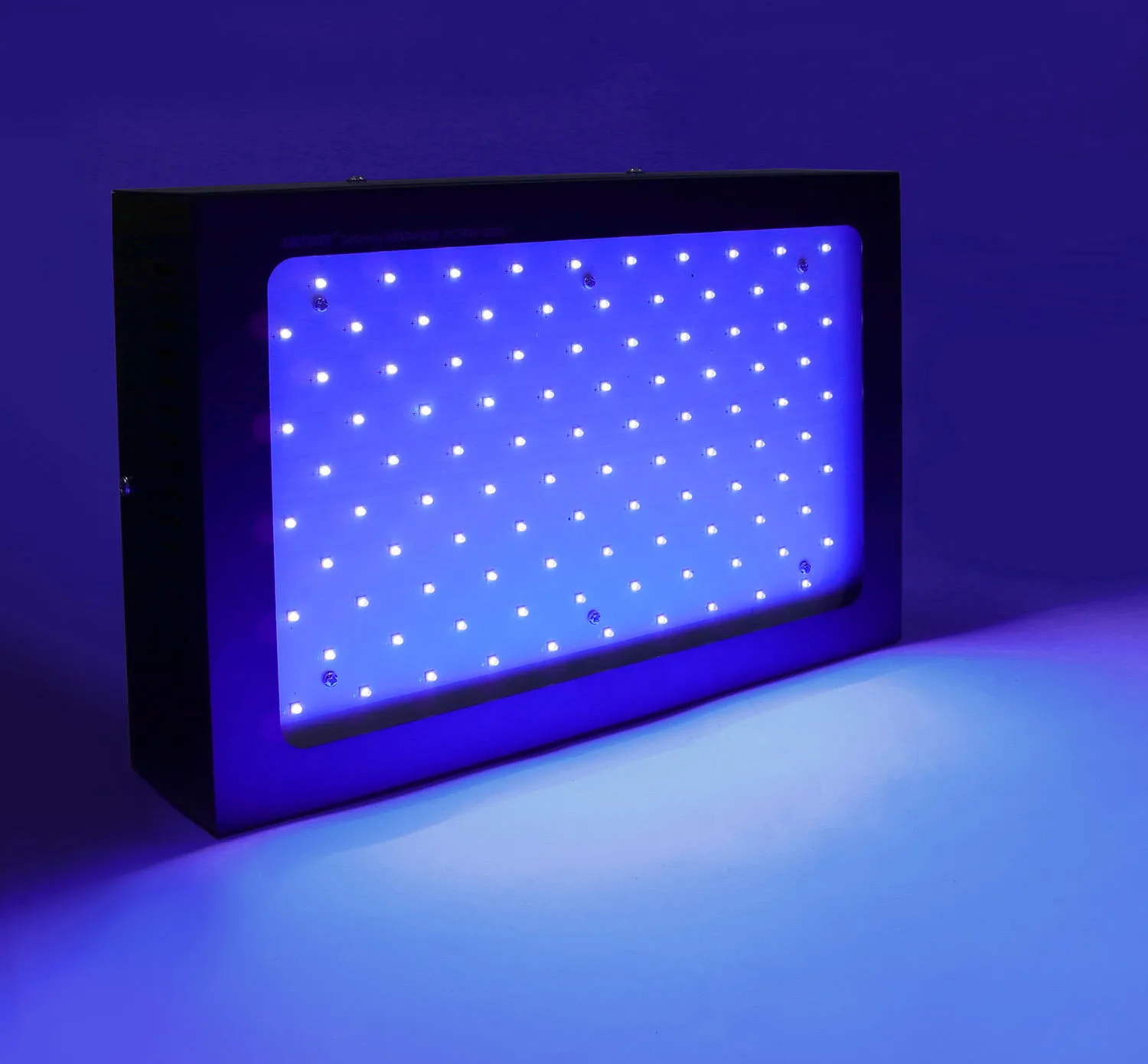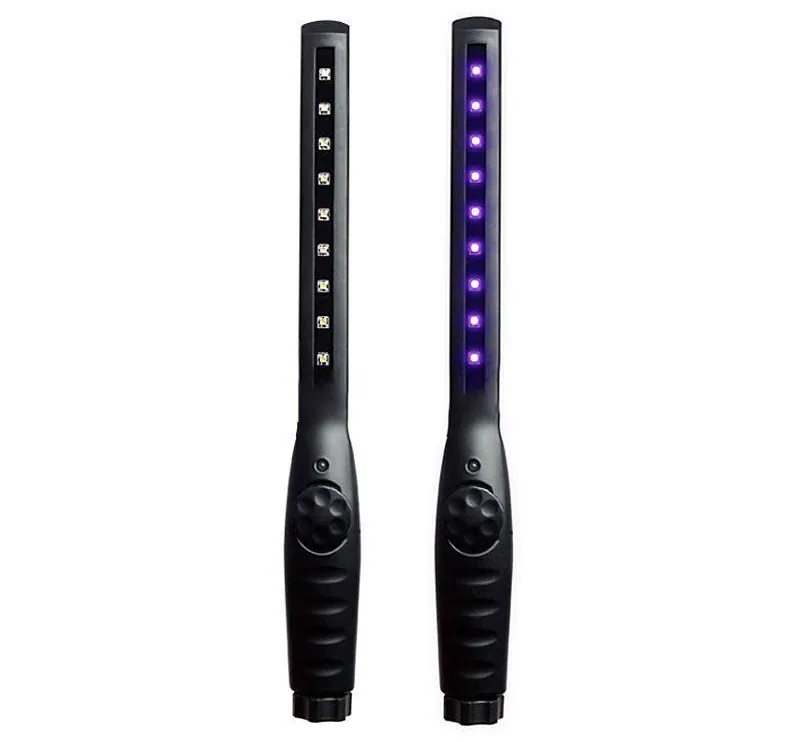
The LYD Smart Pet Collection covers several very different pet-care needs rather than one single type of smart device. A pet brand may need automated feeding, cleaner drinking water, remote monitoring, location tracking, controlled pet access, grooming, temperature support or UV-based hygiene products. The right product mix therefore depends on the target pet, retail channel, required connectivity, safety controls and the level of OEM customization—not simply on adding Wi-Fi or an app to every device. For B2B buyers, a useful smart pet range should solve distinct daily problems without creating unnecessary feature overlap. A water fountain and feeder can form a daily-care bundle, a camera and GPS tracker support monitoring, while litter boxes, sterilization boxes and dryer systems address hygiene. Connected features, UV components and heating functions should then be evaluated as separate engineering requirements.
LYD currently groups products including smart water fountains, automatic litter boxes, feeders, AI pet cameras, GPS trackers, UV sterilization boxes, reptile lamps, heated pads, RFID pet doors and pet dryer boxes within its smart pet portfolio.
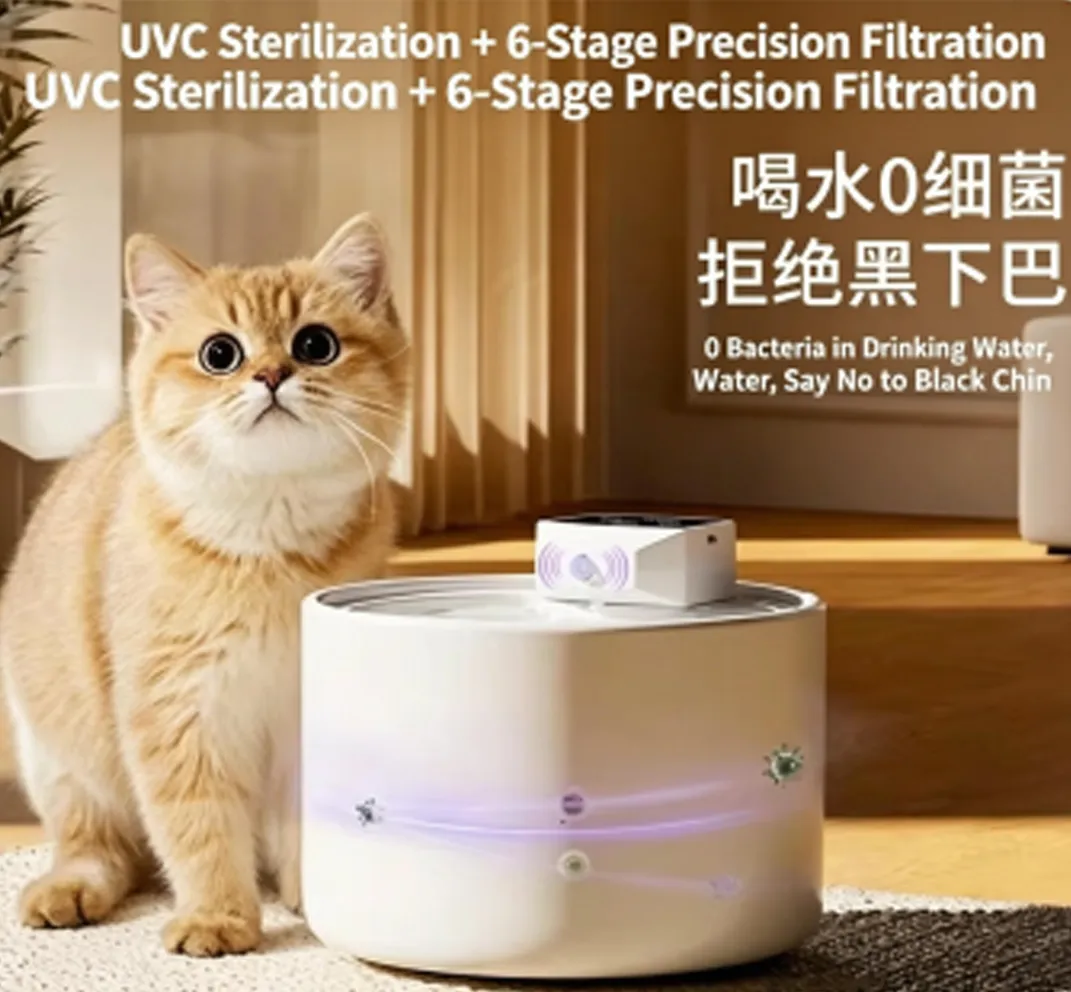
These products can be divided into five practical categories. Feeding and hydration include smart feeders and water fountains. LYD's UVC Smart Pet Water Fountain combines water circulation and filtration with an integrated UVC module, while the Smart Pet Feeder focuses on scheduled portion control with optional connected functions. Hygiene and cleaning include self-cleaning litter boxes, UV sterilization boxes and dryer boxes. LYD's self-cleaning litter box combines automated waste handling with sensors and app-based usage monitoring, while the dryer box uses controlled airflow and temperature for post-bath drying.
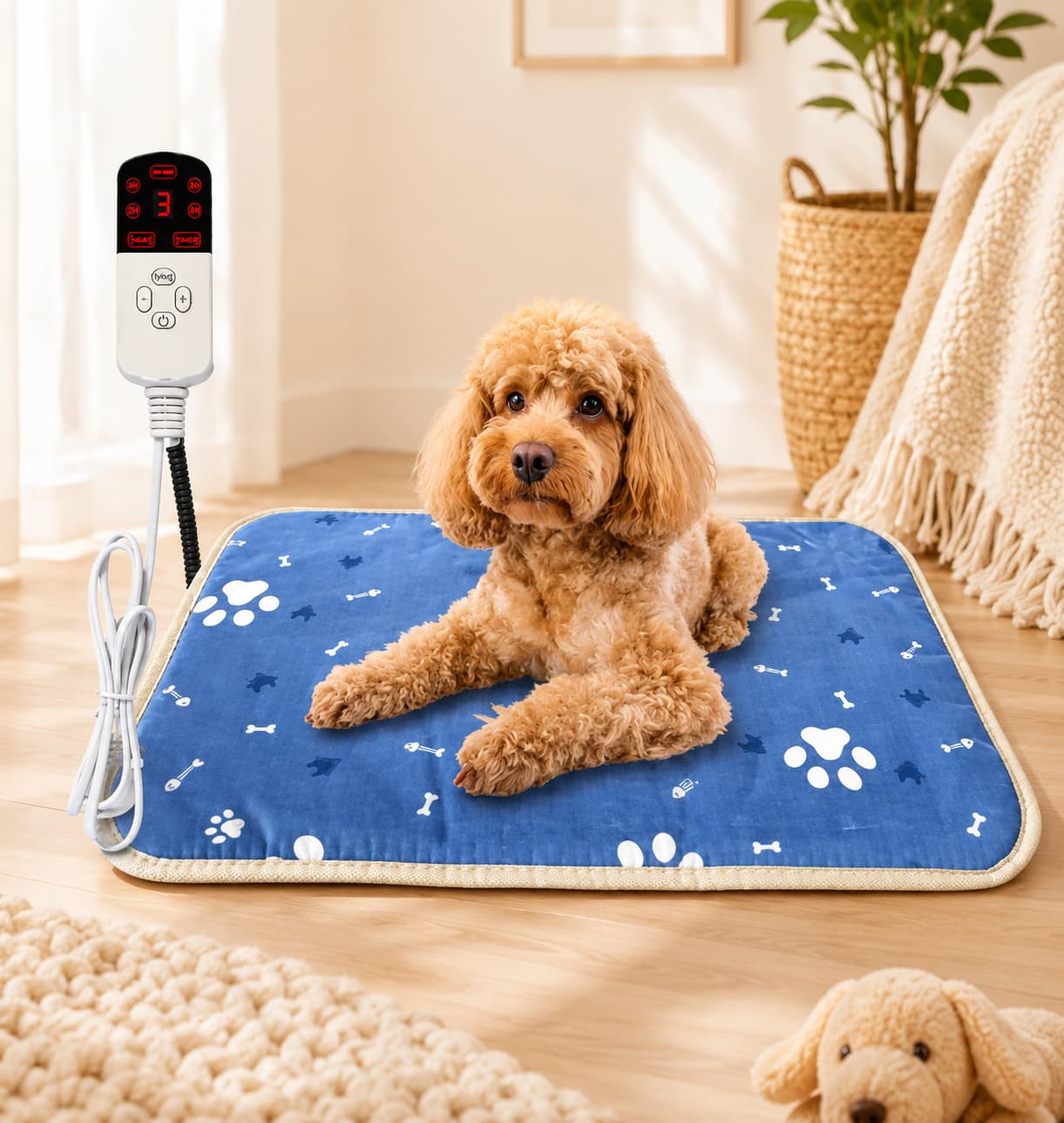
Monitoring and location include AI cameras and GPS trackers. The current AI Pet Camera combines video, two-way audio and motion detection, while the GPS tracker uses GPS, Wi-Fi and LBS positioning together with geofencing and activity data. Access control includes RFID pet doors that identify an authorized pet before opening. Comfort and specialized care include heated pet pads and UVB/UVA reptile lamps, which serve very different animal-care environments from cat and dog automation products. For retailers, this categorization is more useful than listing ten unrelated “smart products,” because it makes product-line planning easier.
Begin with the problem the product is expected to solve. For daily feeding, the priorities are portion accuracy, hopper capacity, food-contact materials, jam prevention and backup power. App control is useful, but a feeder still needs to deliver meals reliably if connectivity is interrupted. LYD's Smart Pet Feeder supports scheduled portions and dual-power operation, making power continuity one of the specifications buyers can evaluate during sampling.
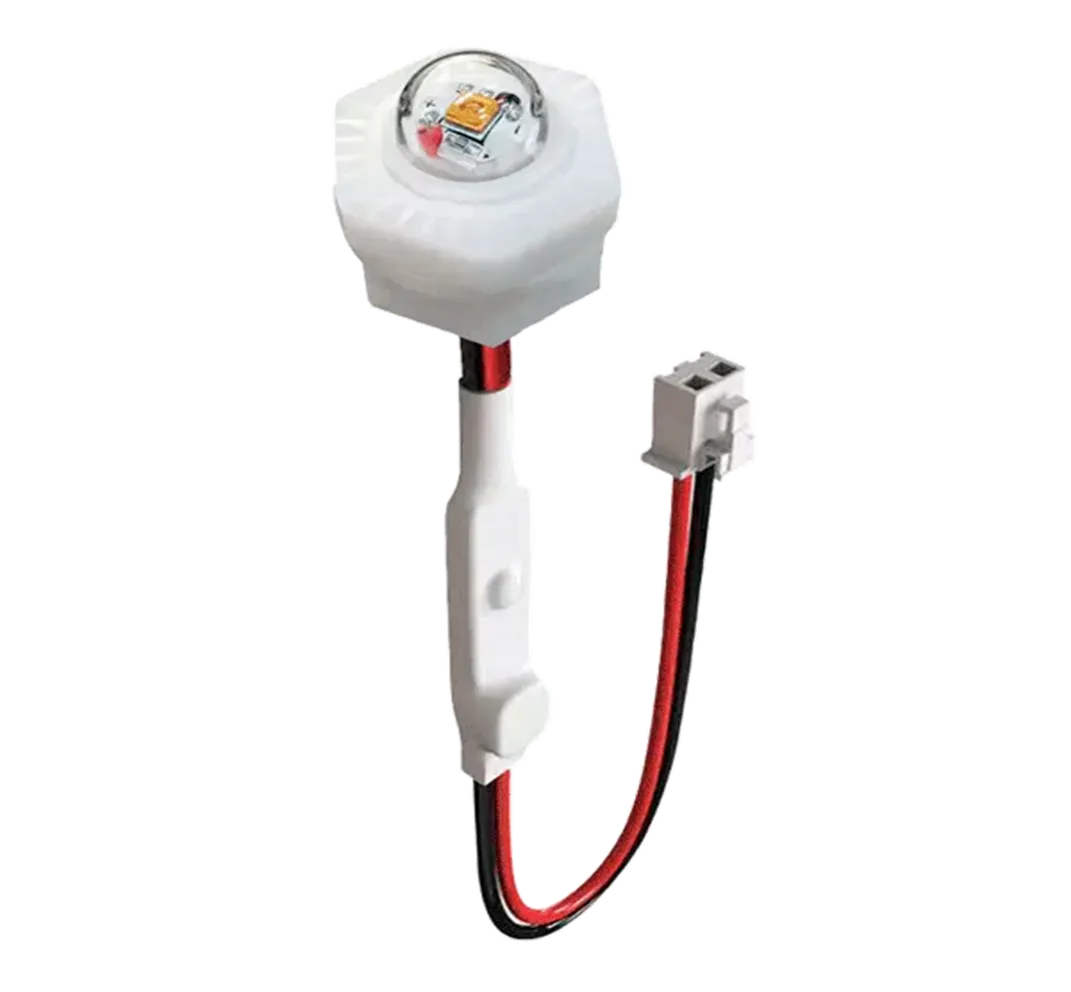
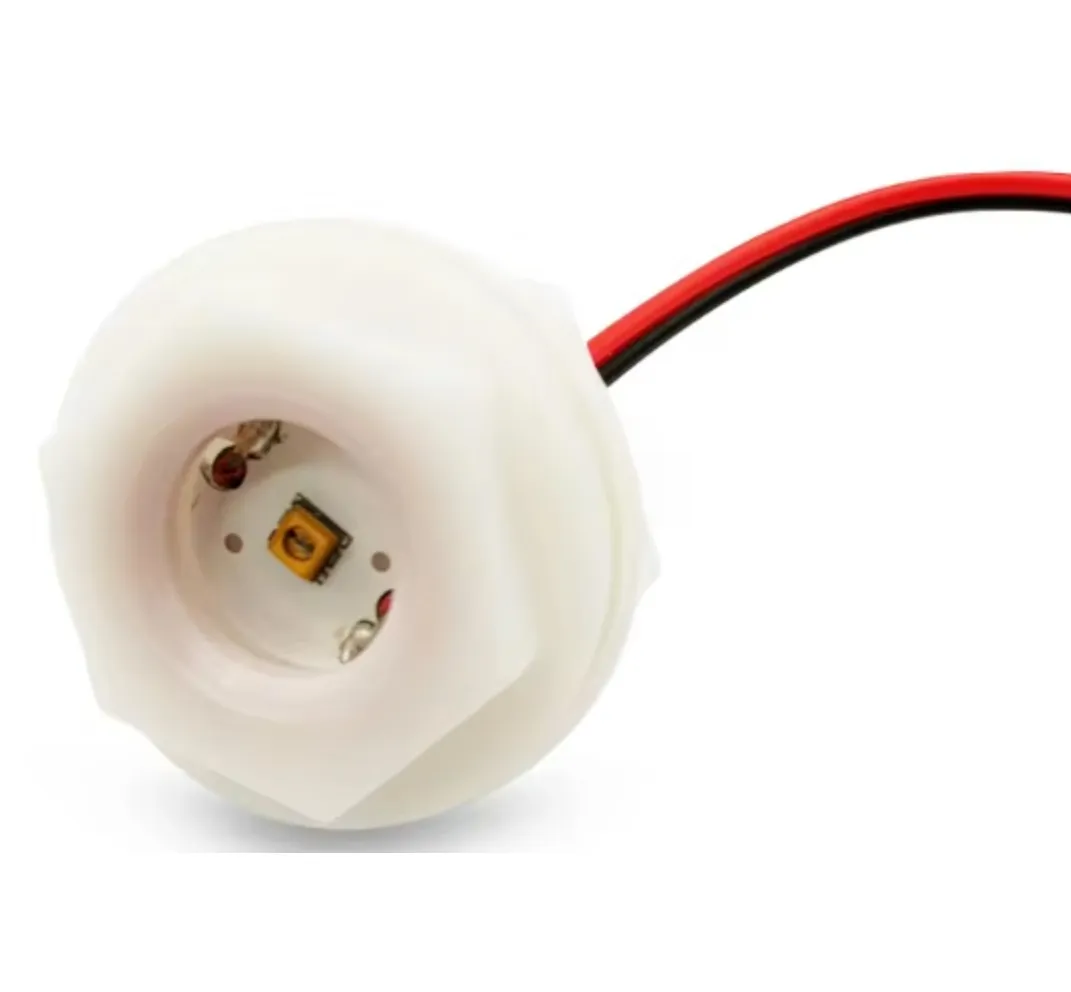
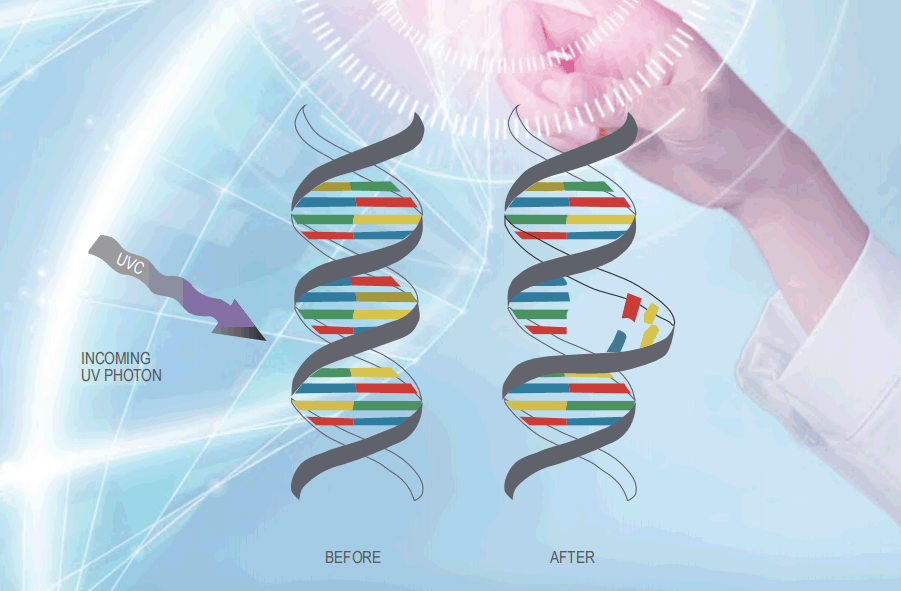
For hydration products, consider pump noise, tank capacity, filter replacement, water-path cleaning and waterproofing before focusing on app features. Where UVC is incorporated, the UV source should be isolated from direct human and animal exposure. Similar safety considerations apply when a led uv sanitizer is integrated into an enclosed pet-care hygiene system. FDA guidance warns that UVC can injure skin and eyes, so UVC-equipped consumer products require suitable shielding and safety controls rather than exposed irradiation. For litter boxes, buyers should evaluate sensing and mechanical safety. Weight sensors, anti-pinch logic, waste sealing and cleaning access are more important than the number of app functions. LYD's current self-cleaning model includes weight sensing and anti-pinch features alongside automated cleaning.
Monitoring products require another set of priorities: image quality, connectivity, alert logic, battery consumption and data handling. GPS devices also need to be distinguished from implanted pet microchips. The American Veterinary Medical Association notes that pet microchips are identification devices and are not GPS trackers. That distinction is especially useful when comparing GPS collars with an RFID pet door.
Smart pet products combine mechanical, electrical and software systems, so buyers should avoid approving a product based only on appearance. For Wi-Fi- or Bluetooth-connected products, ask how accounts, firmware updates, device identification and user data are handled. NIST's consumer IoT cybersecurity baseline identifies cybersecurity capabilities that should be considered across connected consumer products, rather than treating the mobile app as separate from the hardware.
For an AI camera, feeder or connected litter box, an OEM discussion should therefore cover:
Wi-Fi / Bluetooth requirements
App ownership and branding
Cloud or local data architecture
Firmware update process
User-account management
Offline operation
Alert and notification logic
Regional radio requirements
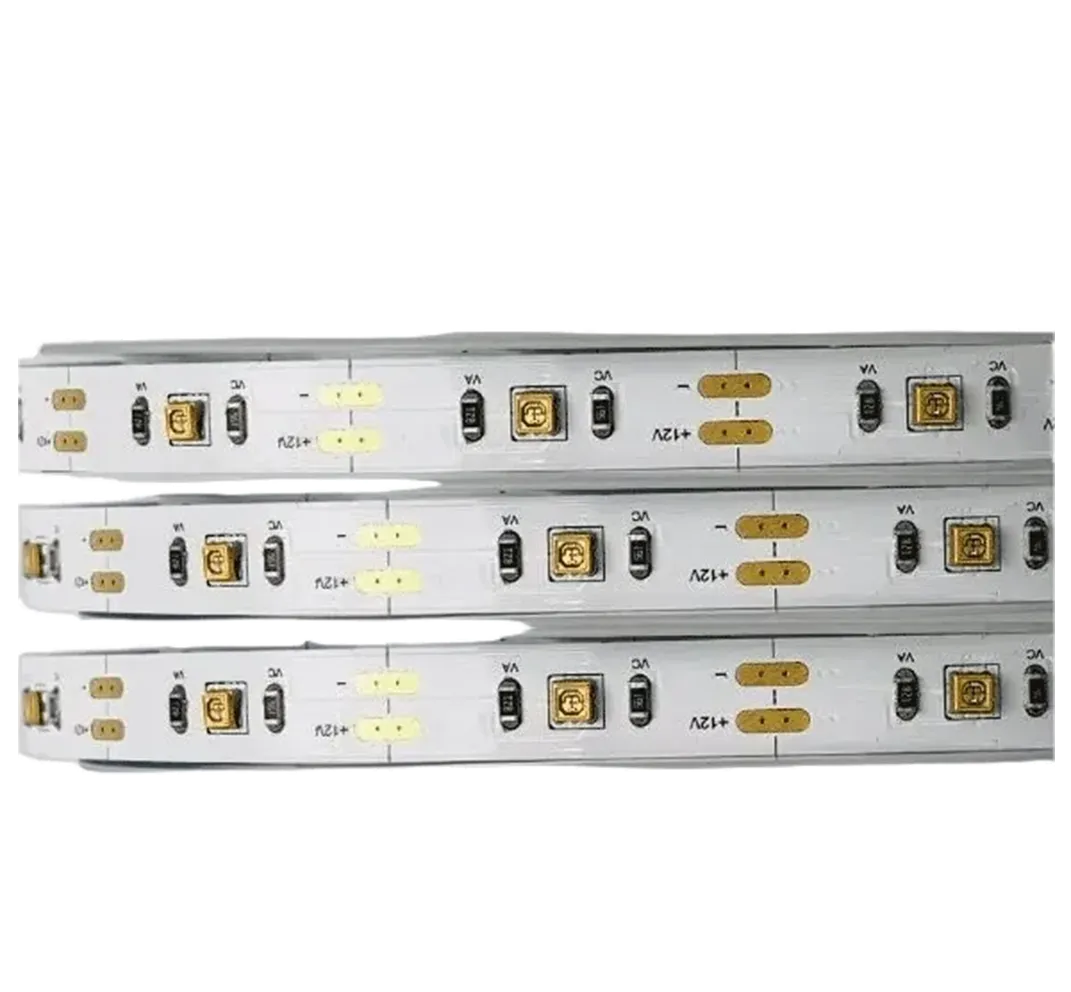
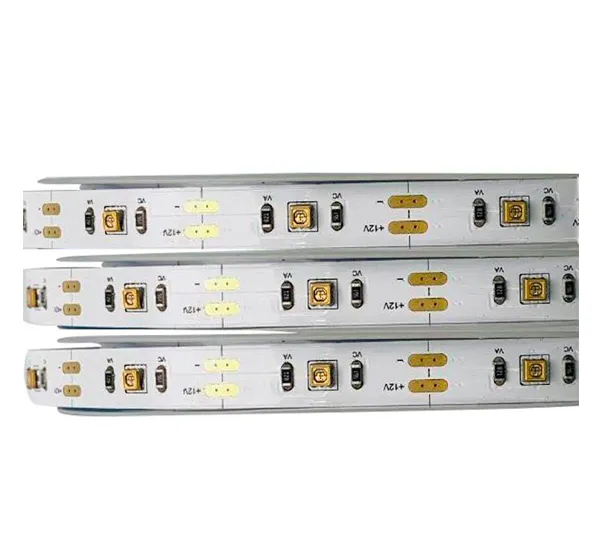
RFID products require another compatibility check. LYD's RFID Smart Pet Door supports pet identification and multiple access modes, while AVMA policy supports ISO-compliant RFID technology based on ISO 11784/11785 for companion-animal microchip identification. Buyers should therefore confirm which chips or collar tags the finished door is designed to recognize in the target market. When evaluating uv led suppliers for UV-equipped pet products, buyers should specify wavelength, radiant output, exposure geometry, enclosure design and interlocks. A claim such as “contains UVC” is not enough to establish effective or safe performance. FDA safety information shows why preventing unintended direct exposure is essential. Heating and drying products should likewise be evaluated around temperature limits, sensor placement, airflow and abnormal-condition protection rather than marketing temperature alone.
| Product | Main Use | Key Specifications to Check | Best B2B Positioning |
|---|---|---|---|
| UVC Smart Pet Water Fountain | Hydration + water hygiene | Tank, pump noise, filtration, waterproofing, UV safety | Premium cat/dog hydration |
| Self-Cleaning Litter Box | Waste management | Sensors, anti-pinch logic, cleaning cycle, waste bin | Automated cat-care range |
| Smart Pet Feeder | Portion control | Meal accuracy, hopper, jam prevention, backup power | Daily feeding / travel |
| AI Pet Camera | Remote monitoring | Resolution, night vision, alerts, Wi-Fi, app | Connected pet monitoring |
| Smart GPS Pet Tracker | Outdoor location | Positioning method, geofence, battery, waterproofing | Safety / outdoor pets |
| UV Pet Sterilization Box | Accessory hygiene | UV wavelength, dose, enclosure, interlock | Hygiene accessory range |
| UVB/UVA Reptile Lamp | Reptile lighting | Spectrum, output, distance, thermal design | Reptile specialty market |
| Smart Heated Pet Pad | Thermal comfort | Temperature range, sensors, cable protection | Cold-weather / comfort |
| RFID Smart Pet Door | Controlled access | Chip/tag compatibility, lock modes, weatherproofing | Smart-home pet access |
| Smart Pet Dryer Box | Post-bath drying | Airflow, noise, temperature, timer, ventilation | Grooming / premium care |
A brand does not need all ten products at launch. A focused three- or four-product portfolio can create a clearer market proposition. For example, a cat-care range could combine fountain + feeder + litter box + camera. An outdoor-pet range could combine GPS tracker + RFID door + heated pad. A hygiene-focused premium line could combine fountain + sterilization box + dryer. When evaluating the wider LYD Smart Pet Collection, OEM buyers should provide target market, pet type, desired connectivity, power supply, enclosure requirements, branding, packaging, certification market and expected order volume before requesting a final quotation. If the product includes a custom uv light function for water treatment, accessory hygiene or another enclosed pet-care application, wavelength, optical output and UV safety controls should also be defined during development. Prototype approval should cover not only industrial design but also sensors, firmware, mobile-app behavior, noise, temperature, waterproofing and abnormal-condition response where applicable.
It is LYD's smart pet product portfolio covering feeding, hydration, hygiene, monitoring, tracking, pet access, thermal comfort and specialized animal-care devices. The current collection includes water fountains, litter boxes, feeders, cameras, trackers, sterilization boxes, reptile lamps, heated pads, RFID doors and dryer boxes.
Start with products that solve complementary needs rather than selecting many similar devices. A fountain, feeder and camera can create a coherent daily-care range, while a litter box can add a higher-value automation product.
No. An app should provide useful functions such as scheduling, alerts, history or remote control. Basic products may work better with local controls if an app adds complexity without improving the core task.
No. GPS trackers are designed to provide location information, while implanted pet microchips primarily store identification information. AVMA specifically notes that a microchip is not a GPS device.
Check wavelength, optical output, exposure time, irradiation geometry, waterproofing where required, shielding and safety interlocks. Direct UVC exposure to eyes or skin should be prevented.
Include product category, target pet, dimensions, materials, power system, connectivity, app requirements, sensors, UV or heating functions, branding, packaging, destination market, certification requirements and order quantity.
Contact us for OEM inquiries.
NIST — Profile of the IoT Core Baseline for Consumer IoT Products — cybersecurity capabilities relevant to connected consumer devices.
U.S. FDA — Ultraviolet (UV) Radiation — UVC exposure and eye/skin safety information.
American Veterinary Medical Association — Microchipping FAQs — explains RFID pet identification and the distinction between microchips and GPS tracking.


 English
 русский
 日本語
日本語 한국어
한국어 français
 Deutsch
 Español
 português
 العربية
 italiano
 Nederland