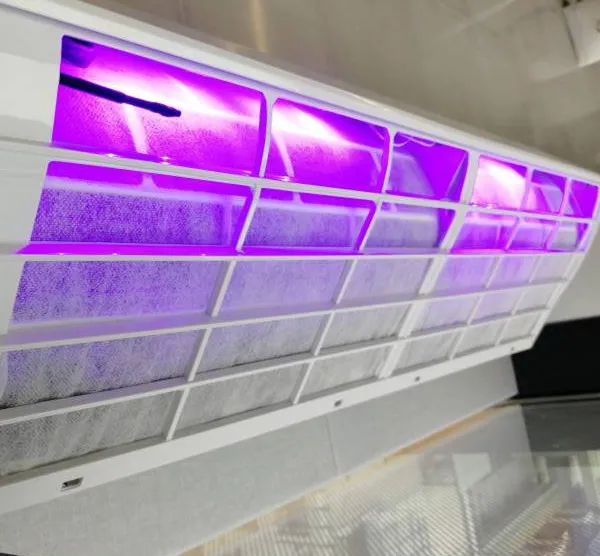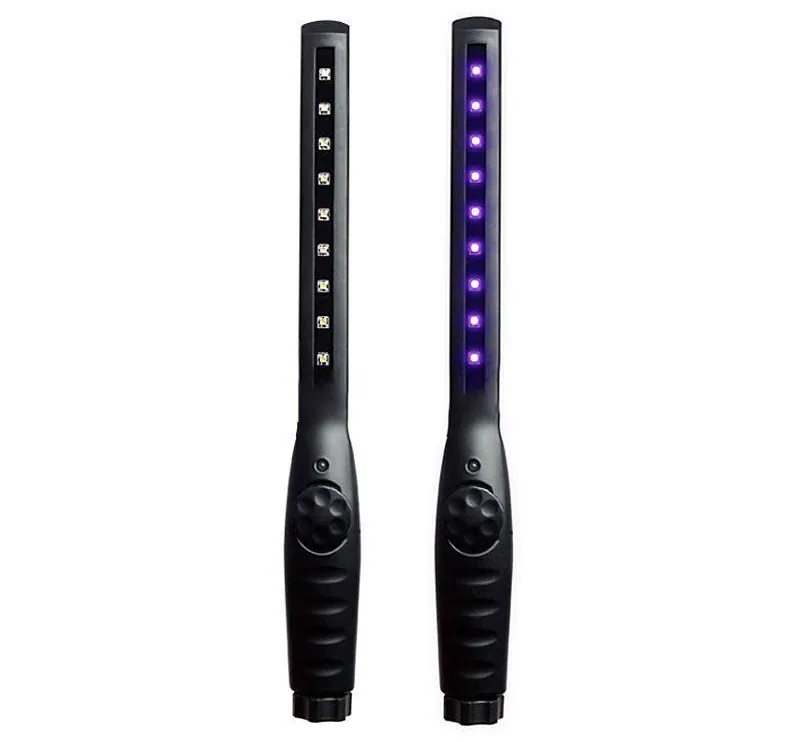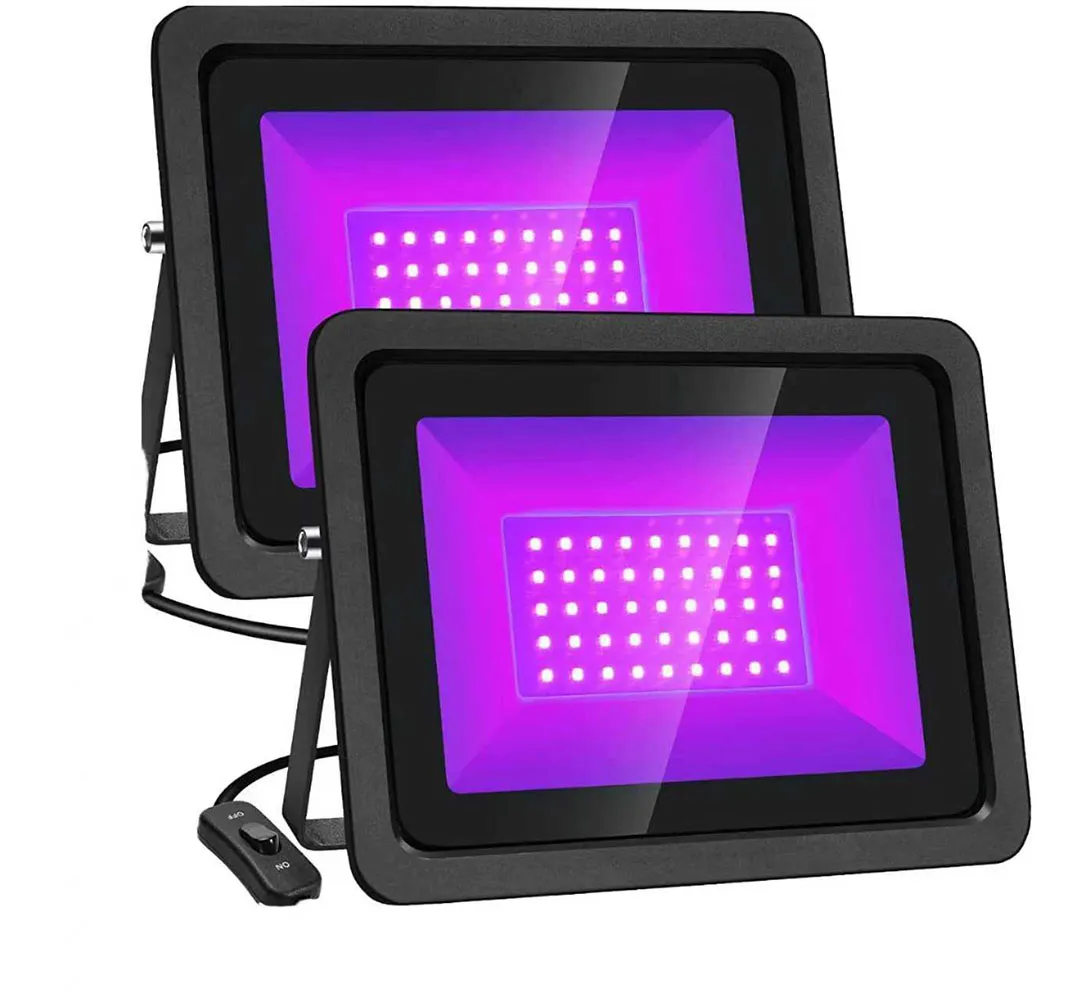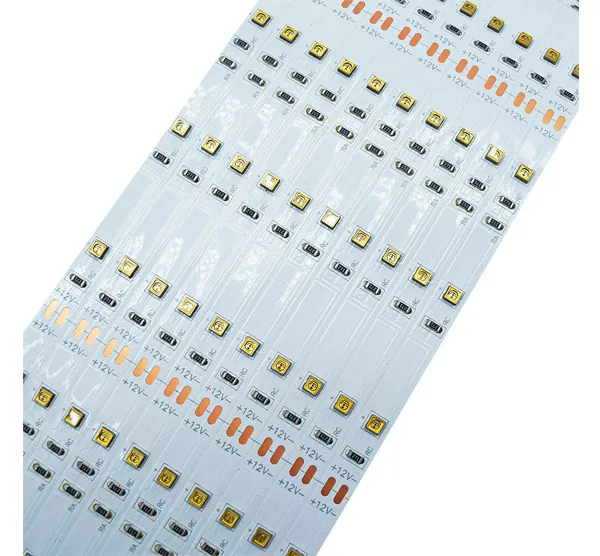
Choosing the right UV LED Light Strips starts with the application, not simply the shortest wavelength or highest electrical wattage. A strip for enclosed disinfection equipment may prioritize 265–278nm UVC output, a portable device may require a compact low-voltage power interface, while inspection or fluorescence equipment may benefit from a combined UVC and UVA configuration. Flexible installations around tanks, ducts or irregular housings introduce additional requirements for PCB width, bend radius, heat management and protection. For OEM buyers, the key specifications to confirm are peak wavelength, measured radiant output, operating voltage and current, LED spacing, strip dimensions, viewing angle, thermal design, environmental protection and the exposure conditions of the finished equipment. UV performance should be evaluated as part of the complete system rather than from the wavelength label alone.
The first specification is peak wavelength, because different UV bands interact differently with materials and biological targets. UVC generally covers 200–280nm, while UVA occupies the longer-wavelength UV region. NIST notes that UVC LEDs commonly operate around wavelengths such as 265nm and 280nm for point-of-use disinfection designs. The second specification is radiant power. Electrical input power and optical UV output are not the same measurement. A higher-wattage strip does not automatically deliver a proportionally higher UV dose to the target because LED efficiency, spacing, optics, distance and thermal conditions all affect irradiance. Buyers should therefore request:
Peak wavelength and wavelength tolerance
Radiant power per LED or per strip
Operating voltage and current
Electrical power consumption
LED quantity and spacing
PCB width and strip length
Cutting interval where applicable
Viewing angle or optical configuration
Operating temperature
IP protection requirement
Connector and cable configuration
Expected thermal-management method
LYD's 265nm/278nm product, for example, is designed for integration into enclosed disinfection and analytical equipment and is offered with customizable PCB layouts, connectors, lengths and voltage configurations. The broader purchasing lesson is that two strips labeled “275nm UVC” may not perform identically. The measured output at the target surface, distance, geometry and exposure time matter to the final system.
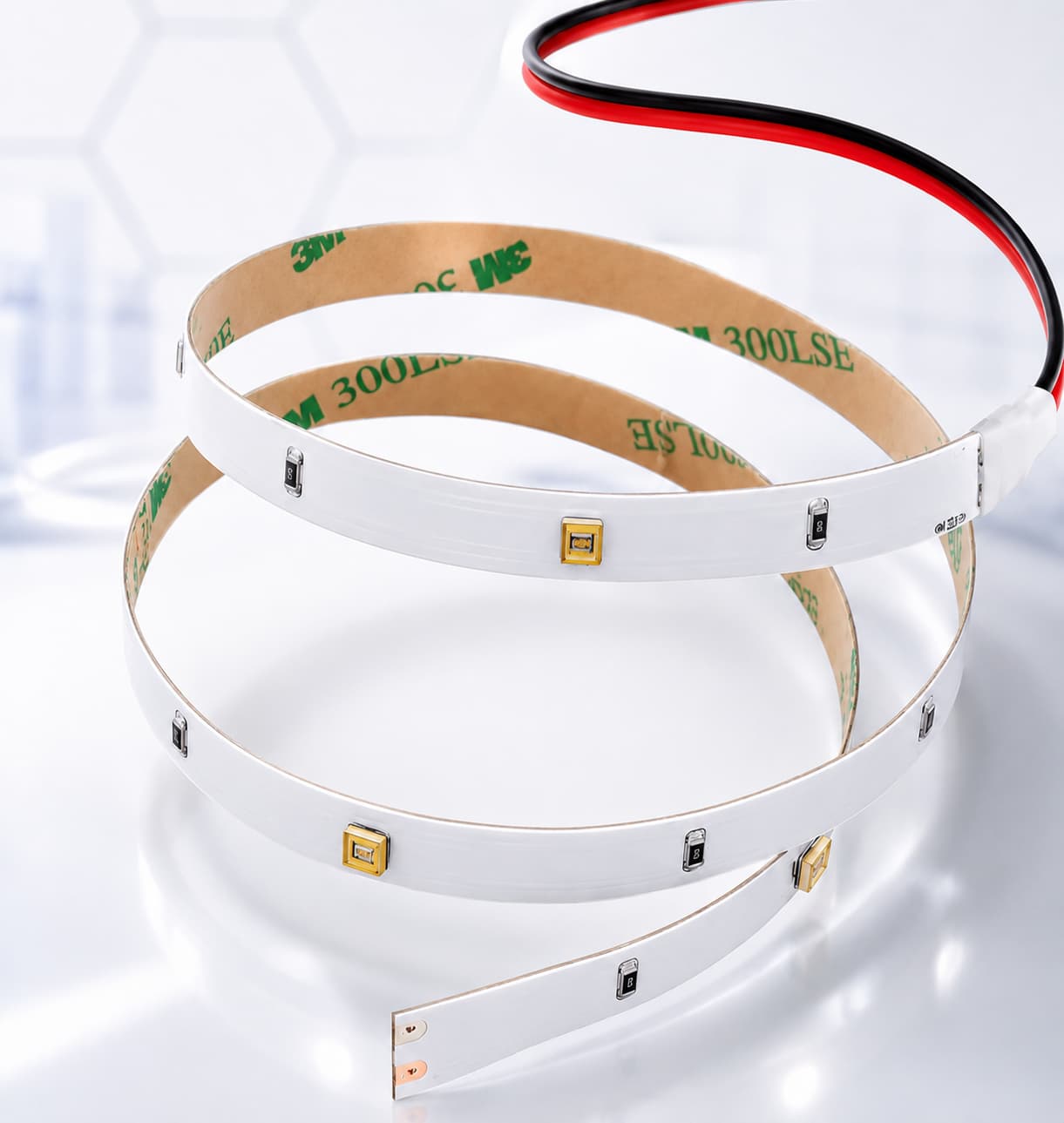
265–278nm UVC is a logical starting point for products whose primary requirement is germicidal UV integration. NIST identifies UVC as the 200–280nm region and has studied 265nm LED systems for surface-disinfection applications. For equipment manufacturers that require a led strip uv 265nm configuration or another narrow-band UVC source, LYD's 265nm/278nm UVC LED Strip is positioned for disinfection as well as chemical and biological analysis.
254nm requires more careful specification. Traditional germicidal systems commonly use approximately 253.7–254nm mercury-lamp radiation, while modern UVC LEDs are commonly available at other wavelengths such as 265nm and 280nm. LYD lists a USB-powered 254nm UVC strip with multiple wavelength options. For an OEM project, buyers should confirm the actual semiconductor light source, measured peak spectrum and radiant output of the exact configuration rather than relying only on the nominal wavelength in the product name.
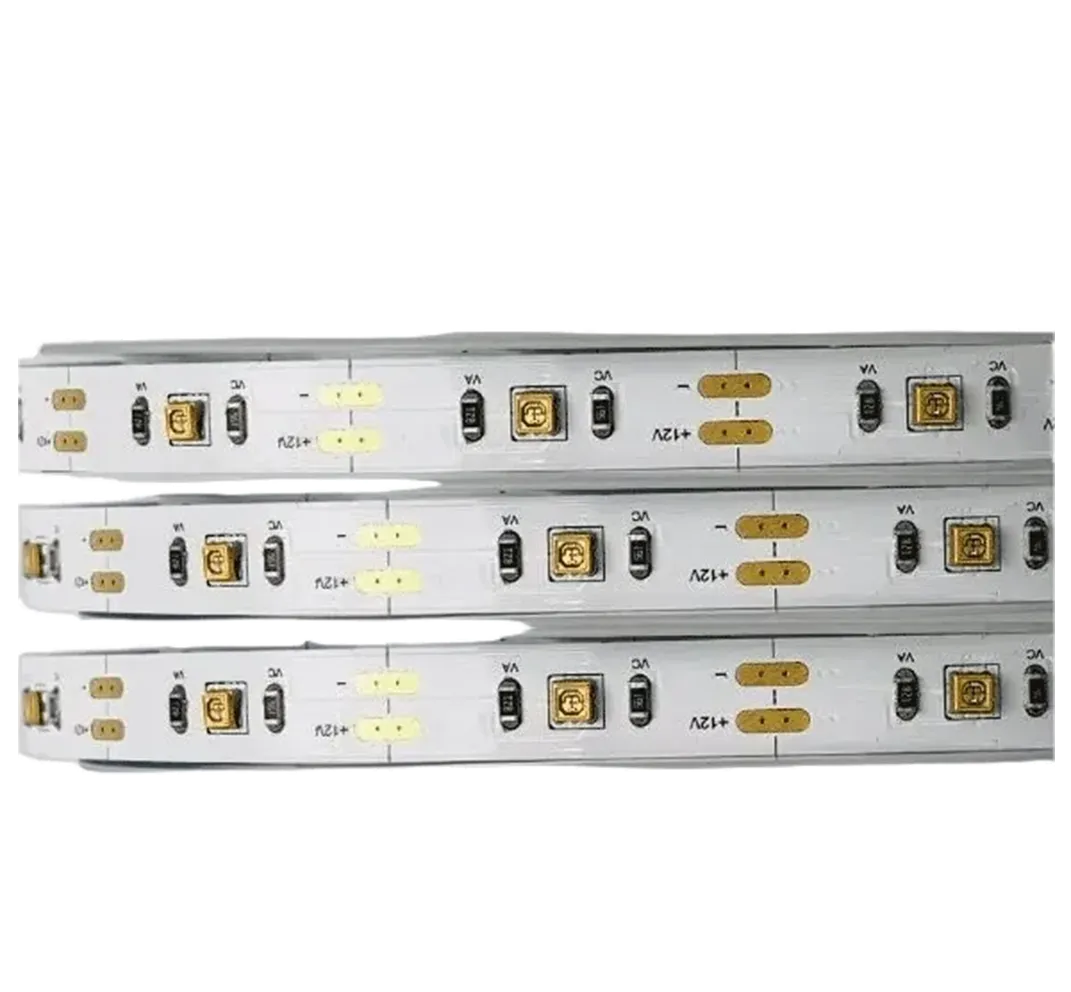
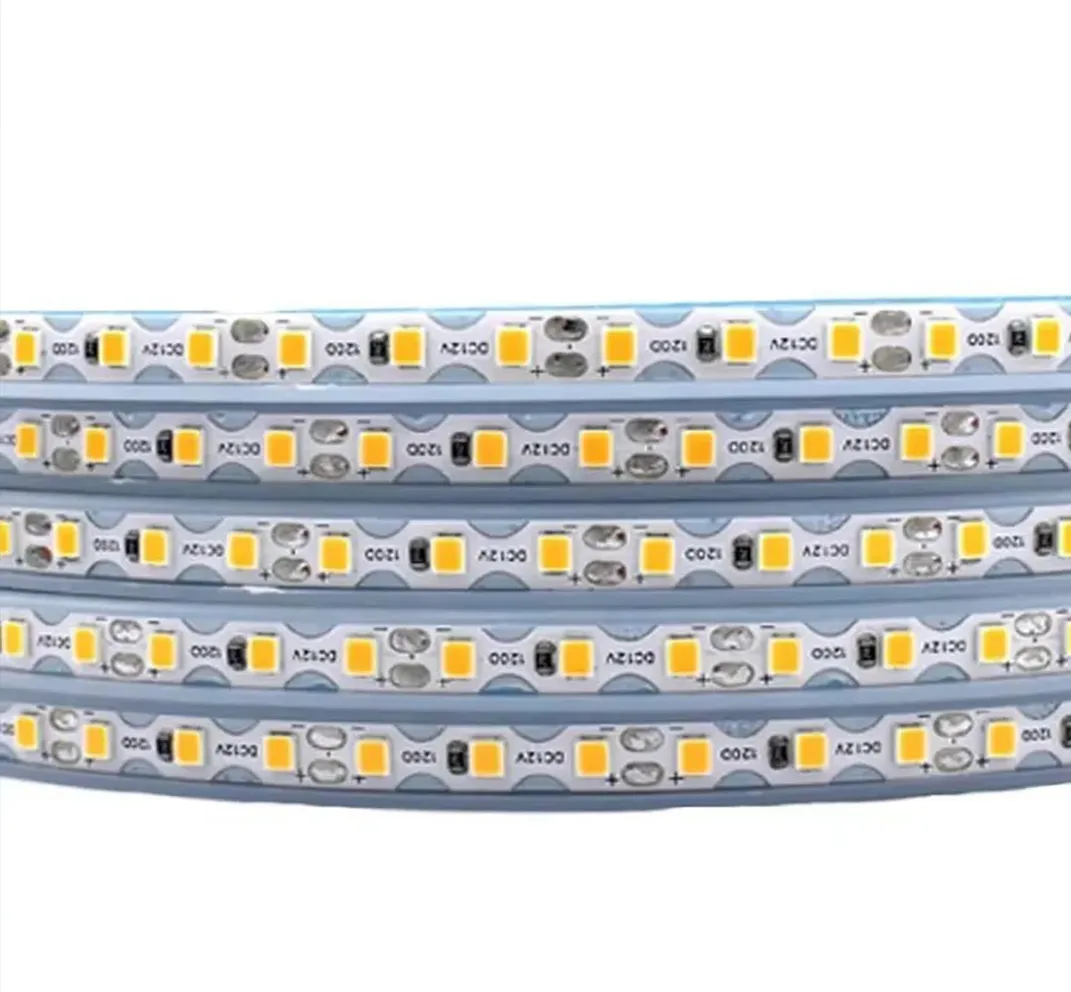
A 275nm UVC + 395nm UVA configuration serves a different purpose. LYD's 275nm UVC + 395nm UVA Flexible LED Strip combines 3535 UVC and 2835 UVA LEDs in one flexible strip. The current specification lists 12V DC operation, an 8mm strip width and mixed UVA/UVC output. This type of architecture is useful where equipment needs UVC functionality together with UVA fluorescence excitation, inspection or other longer-wave UV functions. For projects requiring wavelength flexibility across several deep-UV options, LYD also offers a flexible strip family covering nominal 255–280nm configurations.
Supply voltage should match the host equipment instead of being selected independently. A USB-powered design can simplify integration into compact electronics or portable equipment, while 12V and 24V architectures can be more convenient for industrial controllers, cabinets and equipment using existing DC power supplies. For longer strips, designers should also consider voltage drop along the PCB. Current, copper thickness, total strip length and wiring arrangement can affect whether LEDs near the end of a long run operate under the same electrical conditions as those near the input.
Flexibility introduces another trade-off. A flexible PCB can wrap around curved surfaces and narrow equipment spaces, but repeated sharp bending around LEDs, solder joints or traces should be avoided. The final enclosure must also manage heat because UV LED output and lifetime depend on the thermal environment.
LYD's Flexible 255–280nm UVC LED Strip is currently listed with 3535 LEDs, 30 LEDs/m, an 8mm strip width and customizable deep-UV wavelengths. The product title indicates 12V/24V options, while the current specification table lists 12V DC; therefore, OEM buyers should confirm the final supply voltage for the exact production configuration in the quotation and datasheet. For applications where optical output is the priority, a high power uvc led strip may be more appropriate. LYD's High Radiant Power UVC strip is listed with selectable 254/265/275nm wavelengths and radiant-power specifications of 200–650mW for the complete strip configuration.
| Product / Requirement | Wavelength | Power / Voltage Focus | Better Starting Application |
|---|---|---|---|
| 265nm/278nm UVC Strip | 265 / 278nm | 5V / 12V / 24V options | Enclosed disinfection and analytical equipment |
| USB Powered UVC Strip | Nominal 254nm and other selectable UVC options | Compact USB-style power integration | Portable or compact equipment |
| 275nm UVC + 395nm UVA Strip | 275 + 395nm | 12V mixed LED architecture | Disinfection + fluorescence / inspection |
| Flexible Deep-UVC Strip | 255–280nm options | 12V / customized configuration | Curved surfaces, ducts, tanks and equipment interiors |
| High Radiant Power UVC Strip | 254 / 265 / 275nm | Higher radiant-output requirement | High-intensity enclosed UV systems |
For applications requiring higher optical output, buyers can evaluate LYD's High Radiant Power 254nm/265nm/275nm UVC LED Strip and then determine whether its radiant output, dimensions and viewing angle match the target irradiation area. When evaluating uv led suppliers for an OEM project, provide the target wavelength, required irradiance or dose where known, working distance, irradiation area, exposure time, operating voltage, maximum available electrical power, installation length, PCB width, IP requirement, enclosure material and operating temperature.
Safety must be designed into the finished equipment as well. IEC 62471-6:2022 specifically covers optical-radiation safety requirements for UV lamp products, including UV LED products, and addresses risk assessment, user information and labeling. The FDA also warns that direct UVC exposure can injure skin and eyes, so exposed UVC strips should not be treated like ordinary decorative LED strips. For disinfection systems, shielding, enclosure interlocks, door sensors or other engineering controls should be considered according to the actual product and market. Effectiveness should also be validated at the system level because UVC has limited penetration and shadowed areas may receive substantially less exposure. FDA discussions of UV medical-device reprocessing specifically identify shadowing and low penetration as technical limitations that designers need to address.
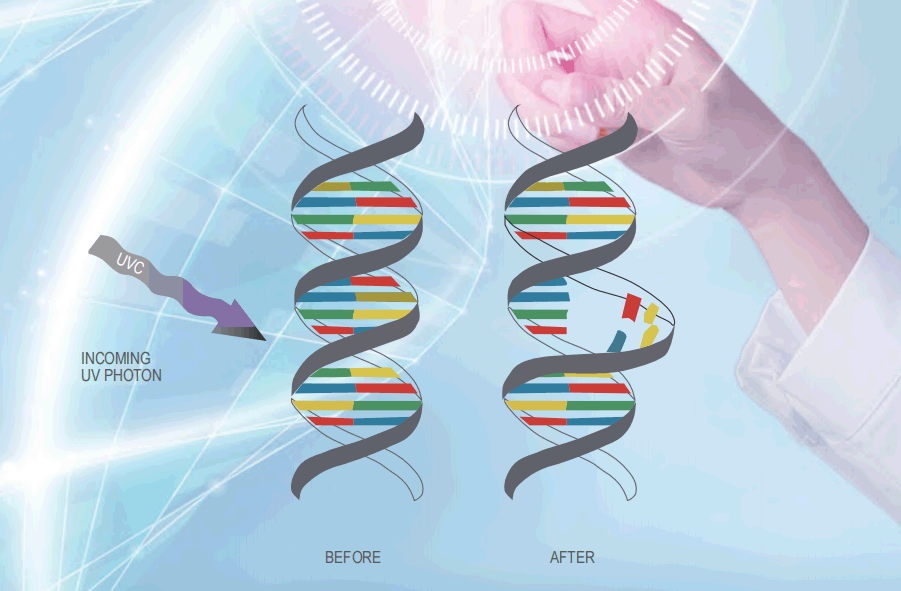
There is no universal wavelength for every system. UVC between 200 and 280nm is used for germicidal applications, with wavelengths around 265nm commonly studied for UVC LED systems. Actual effectiveness also depends on irradiance, exposure time, distance and target microorganism.
Not universally. Approximately 254nm is strongly associated with low-pressure mercury germicidal lamps, while 265nm is widely used in UVC LED research and products. For an LED design, compare measured optical output and required dose rather than assuming that the nominal wavelength alone determines performance.
The two bands serve different functions. LYD's dual-band product combines 275nm UVC with 395nm UVA so one flexible assembly can support UVC-related applications together with UVA functions such as fluorescence excitation or inspection.
Use the voltage that integrates correctly with the equipment's power architecture, while also checking strip length, current and voltage drop. Confirm the final voltage specification with the manufacturer because available configurations can vary between product versions.
Not necessarily. Electrical input power and optical radiant power are different quantities. Compare measured radiant output or irradiance under specified test conditions rather than wattage alone.
Provide wavelength, required optical output, target area, working distance, power supply, PCB dimensions, strip length, installation geometry, connector type, waterproofing requirement, temperature range and end application. These parameters allow the LED layout and electrical design to be matched to the equipment rather than selecting only by wavelength.
Contact us for OEM inquiries.
NIST — Design Considerations for a Surface Disinfection Device Using UV-C LEDs — technical discussion of UVC LED wavelengths and point-of-use disinfection system design.
IEC — IEC 62471-6:2022 Photobiological Safety of Ultraviolet Lamp Products — UV and UV LED product risk assessment, safety information and labeling requirements.
U.S. FDA — Ultraviolet (UV) Radiation — guidance on UVC radiation characteristics and skin/eye exposure hazards.


 English
 русский
 日本語
日本語 한국어
한국어 français
 Deutsch
 Español
 português
 العربية
 italiano
 Nederland