In previous issues, we covered UVC extensively — disinfection, sterilization, water treatment. These applications are well-recognized with clear demand, but UVC is just one part of the UV LED spectrum.
From 200nm to 400nm, UV LED covers UVA (320-400nm), UVB (280-320nm), and UVC (200-280nm). Each wavelength has its own business logic and applications. Among them, UVB LED might be the most underestimated — it has the highest technical barriers, its market hasn't fully materialized yet, but it's opening up three clearly defined billion-dollar directions.
This article is not a technical overview. It's about three markets that are actually happening.
.webp "A Complete Guide (3).jpg")
UVB has been used in medical applications for decades. Narrowband UVB (NB-UVB, approximately 311-313nm) phototherapy is a first-line treatment for chronic skin conditions including psoriasis, vitiligo, and atopic dermatitis.
Traditional phototherapy devices use fluorescent tubes as the light source. The problems are obvious: short lamp life, high heat output, insufficient spectral purity, bulky equipment. UVB LED offers miniaturization, precise spectral control, and long lifetime — features that enable phototherapy devices to move from "hospital-only" to "home-use".
Market data confirms this trend. Global narrowband UVB phototherapy lamp sales reached 1.8 million units in 2025, with an average selling price of $165. By revenue, the global narrowband UVB phototherapy lamp market was approximately $298-306 million in 2025 and is expected to reach $503-513 million by 2032, with a CAGR of 7.6%-7.8%.
The global phototherapy equipment market was approximately $684 million in 2024 and is expected to reach $1.04 billion by 2032, with LED phototherapy devices already accounting for 43.2% of revenue share. North America dominates the global phototherapy equipment market with a 31.13% share in 2025. The Asia-Pacific region will be the fastest-growing market, with a projected CAGR of 8.7% from 2025 to 2032.
UVB phototherapy demand is driven by two core factors: rising prevalence of skin diseases requiring long-term management, and the rapid adoption of home phototherapy, where patients prefer to complete long-term treatment at home at lower cost with better compliance. The technology evolution is clear — NB-UVB technology is transitioning from traditional lamps to LED-UVB, and is expected to enter commercial volume production over the next 3-5 years.
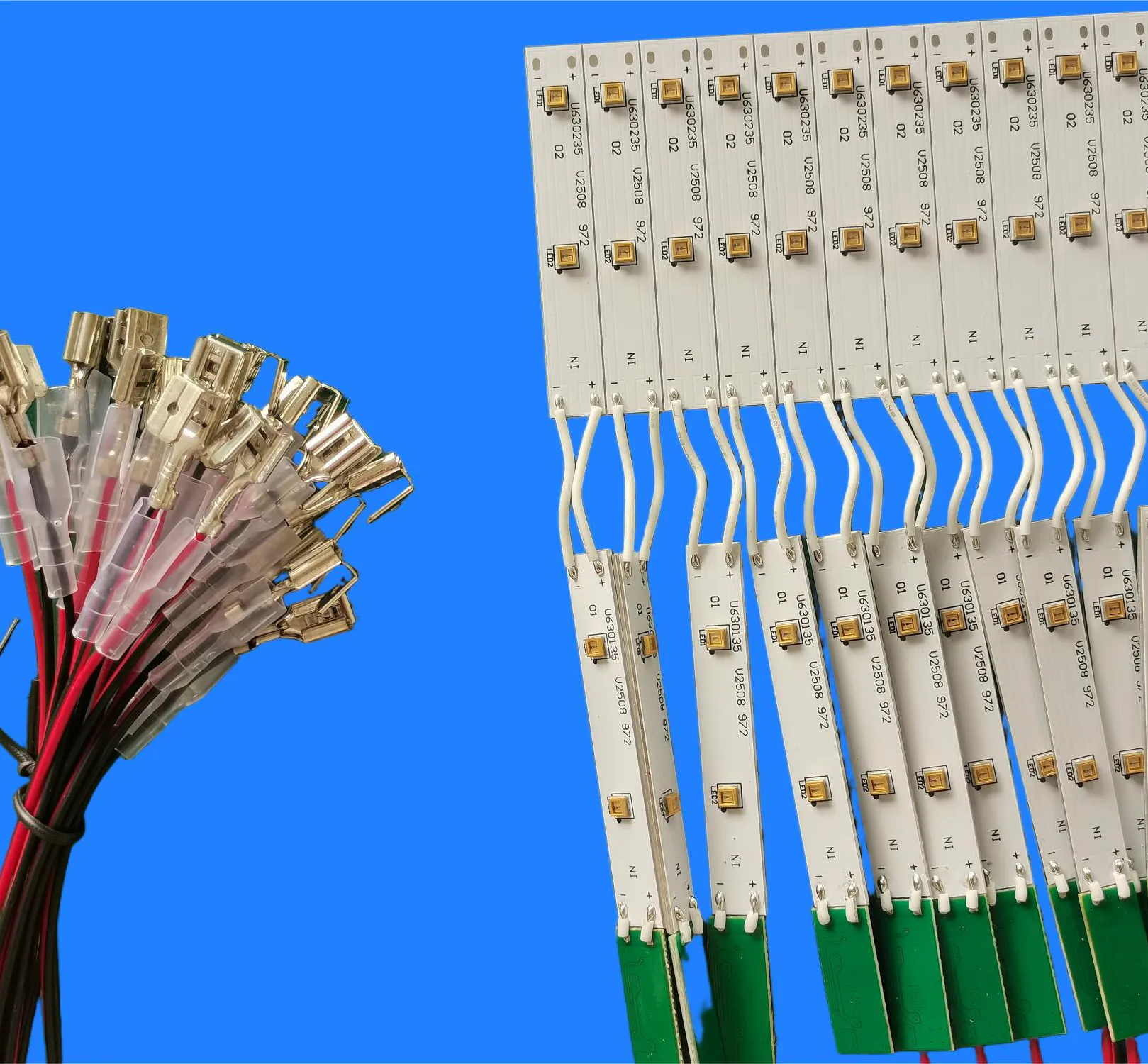
What does this mean for OEM manufacturers? Home portability, digital dose control, and AI skin management system integration are clear trends. Device manufacturers need miniaturized, highly reliable, spectrally precise UVB LED modules — exactly the opportunity for component suppliers.
.webp "A Complete Guide (2).jpg")
Beyond medical phototherapy devices, UVB is opening up another significant consumer market: home beauty therapy devices.
Beauty masks, multi-function LED panels, hair growth helmets, and hair growth combs have rapidly gained popularity in recent years. These products are all based on LED light therapy technology, using specific wavelengths of light to treat skin or scalp conditions.
Market size and growth
The global LED facial beauty device market reached approximately $950 million in 2024 and is expected to reach $2.18 billion by 2031, with a CAGR of 12.6%. North America is the largest market at approximately 35% share, followed by Europe at 25% and China at 22%.
The hair growth helmet market grew equally fast, reaching approximately $790 million in 2024 and projected to reach $1 billion by 2031. The global LED hair growth cap market was approximately $230 million in 2025 and is expected to reach $380 million by 2032, at a CAGR of 7.4%.
Why are LED light therapy devices scaling so quickly?
The technology characteristics of beauty therapy LED chips enable rapid market expansion:
Ultra-low cost: LED technology is mature, mass-produced, and affordable — bringing phototherapy devices from "medical-only" to "everyday home use"
Simple to use: Drive circuits are straightforward, no complex temperature control required — lowering product design barriers
High safety: LEDs emit non-coherent light that scatters uniformly in all directions, with high human eye safety
Broad spectrum: Covers wavelengths from UV to infrared — one device, multiple functions
The division of labor between UVB and UVA in home beauty
Home beauty masks typically use UVA (320-400nm) combined with visible light (blue, red) for skin rejuvenation, anti-aging, acne treatment, and collagen production. UVB applications are more concentrated in home phototherapy for vitiligo, psoriasis, and atopic dermatitis — more specialized therapeutic use cases.
Currently, UVB penetration in the home beauty market is lower than UVA. However, as home phototherapy awareness grows and UVB LED costs decline, more UVB home beauty devices are expected to enter the market over the next 3-5 years. This trend is already reflected in the data: the global phototherapy equipment market was approximately $684 million in 2024, with LED phototherapy devices already accounting for 43.2% of revenue share.
What this means for OEM manufacturers
The core demand for beauty therapy LED chips is high-volume, low-cost, high-consistency LED modules. Manufacturers with LED packaging and module production capabilities can directly enter this supply chain segment — providing standardized UVA/UVB LED modules to beauty device brands.
.webp "A Complete Guide (4).jpg")
The plant lighting market has grown rapidly in recent years. The global LED horticulture market reached $1.315 billion in 2024, up 6.6% year-over-year. The global LED plant lamp market is expected to exceed $4.5 billion in 2025, with a CAGR of over 18%. Multi-spectrum plant lighting modules generated approximately $2.2 billion in global revenue in 2025, projected to reach $5.9 billion by 2032, at a CAGR of 14.8%.
UVB's role in this market is shifting from "optional" to "essential."
UVB regulates plant morphology, enhances secondary metabolite production, and improves stress resistance. Real-world case: San'an Optoelectronics' UV-B technology increased strawberry yields by 15-25% and increased Dendrobium officinale polysaccharide content by 15%. Kale subjected to UV-B radiation showed significant increases in total phenolic content, total flavonoid content, UV-B absorbing pigment content, and antioxidant capacity. UV-B combined with monochromatic light promotes cucumber seed germination and shortens total production time. In controlled environment agriculture, UVB has been shown to effectively control plant growth and make plants more robust.
The drivers for plant lighting are clear: the boom in vertical farm construction, the shift to high-value crops, and the demand for precision light environments. From Saudi Arabia's NEOM smart city project to NASA's Mars potato cultivation experiments, the application boundaries of plant lighting continue to expand. TrendForce projects the global LED horticulture market to exceed $2.056 billion by 2029, with a CAGR of 9.4% from 2024 to 2029. The global LED horticulture market is expected to grow from $2.371 billion in 2025 to $4.363 billion in 2030, at a CAGR of 12.97%.
What does this mean for OEM manufacturers? The global LED plant lamp market is projected to reach $7.5 billion by 2035. UVB is becoming a standard feature for high-value crop cultivation, and plant lighting equipment manufacturers need integrated UVB functionality to differentiate their products.
UVB is essential for reptile survival, not an "optional accessory." Reptiles need UVB (particularly the 290-310nm range) to synthesize vitamin D3 and metabolize calcium. Without UVB exposure, reptiles develop metabolic bone disease — one of the most common health issues in captive breeding.
This market is niche but substantial and steadily growing. The global bioactive vivarium lighting market was approximately $1.23 billion in 2024 and is projected to reach $2.32 billion by 2033, at a CAGR of 7.1%. UVB lighting accounts for approximately 26.3% of this market. The global reptile lighting market is projected to reach $49.27 million by 2032, at a CAGR of 3.7%. The reptile UVB T5 fixture market was valued at approximately $300 million in 2025 and is projected to grow at a CAGR of 6.2% through 2034.
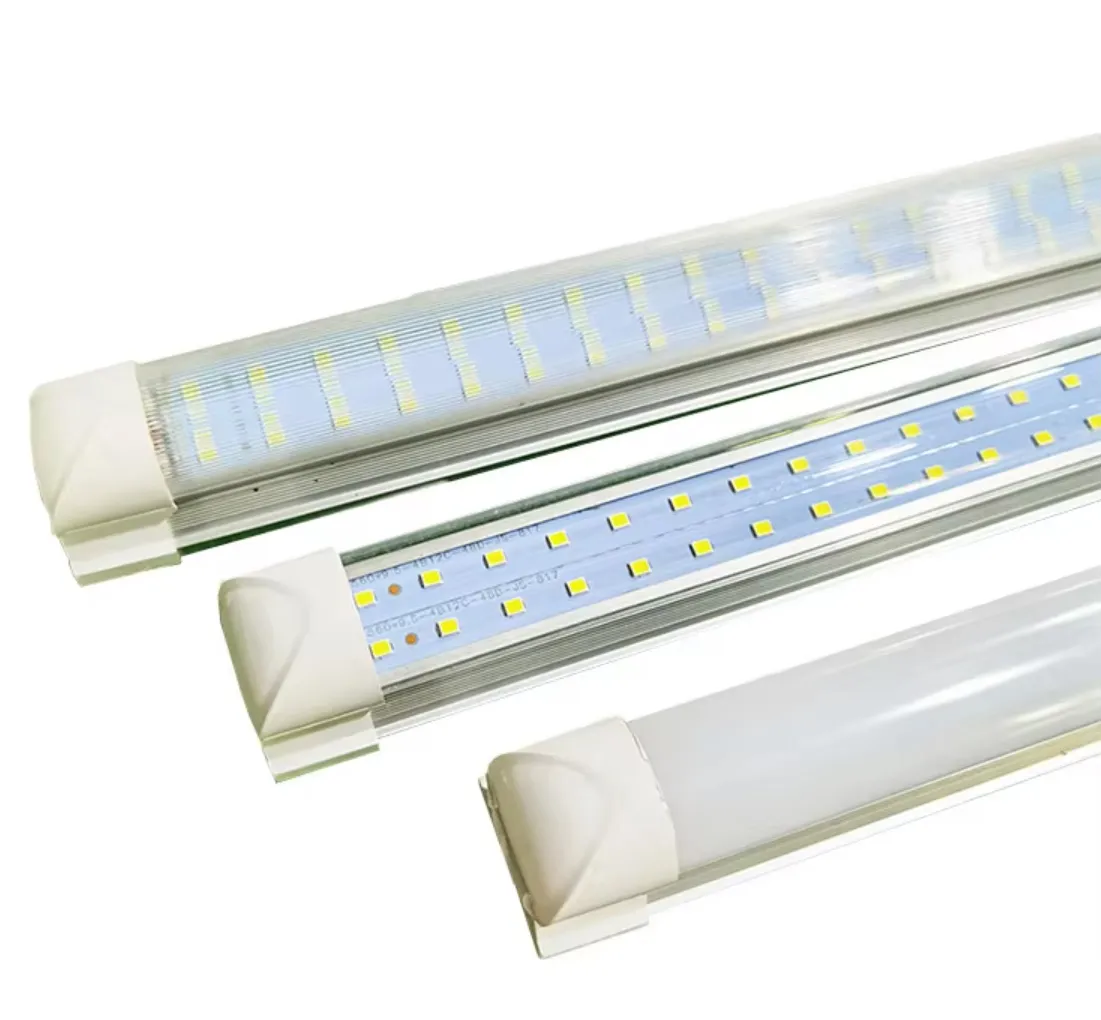
While the market size is smaller than medical phototherapy and plant lighting, reptile lighting is one of the most stable demand markets for UVB LED — as long as people keep reptiles, they need UVB sources. As traditional fluorescent tubes phase out, UVB LED is emerging as the replacement solution.
UVB LED hasn't exploded — not because demand is insufficient, but because the technology isn't fully ready yet.
UVC LED at mainstream wavelengths (265-275nm) is relatively mature, with wall-plug efficiency (WPE) reaching commercial levels. UVB LED is different. The external quantum efficiency (EQE) record for 304nm UVB LED is 9.6% , but light extraction efficiency (LEE) remains below 15%. High-power UVB module WPE is still climbing.
Academic research is addressing these challenges. Through nano-patterned sapphire substrate (nanoPSS) and photonic crystal (PhC) designs, light extraction efficiency can be improved by up to 145%. Marktech and others have launched 310nm UVB LED products, expanding wavelength coverage to 230-400nm. UVB-based vitamin D supplementation modules have also been integrated into office lighting.
But overall, UVB LED is still in the transition from "technology validation" to "commercial scaling." For component suppliers, this means now is the ideal time to collaborate with equipment manufacturers on product development — by the time the market fully matures, the window will have closed.
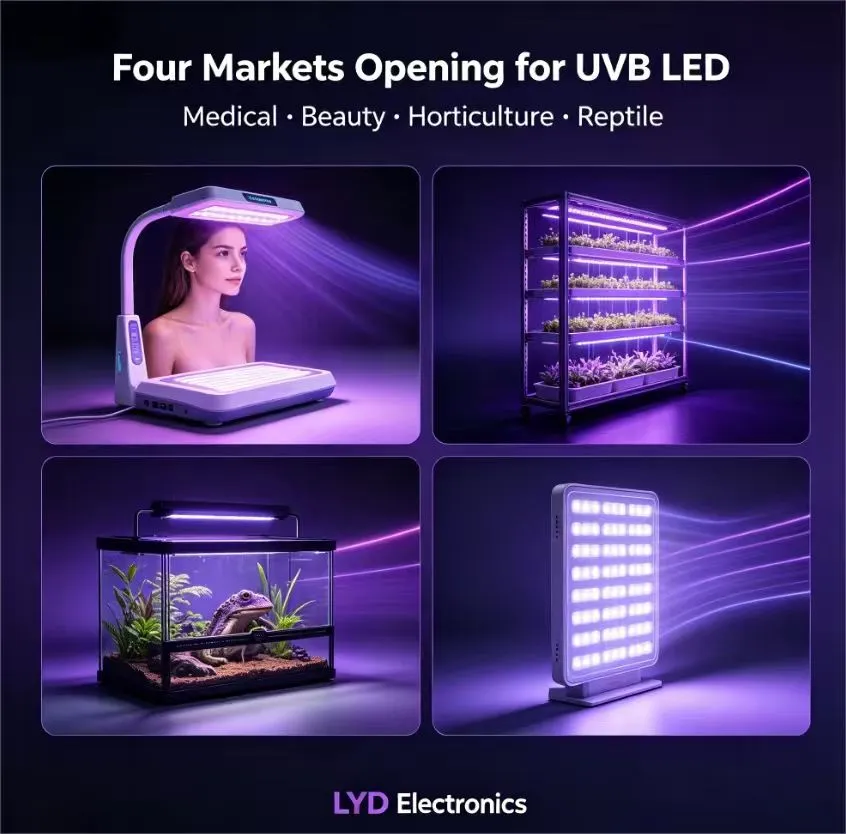
The four main application areas for UVB LED — medical phototherapy, home beauty therapy, plant lighting, and reptile lighting — correspond to four distinct customer segments:
Medical device manufacturers: Need highly reliable, medically certified UVB LED modules. Wavelength precision and dose control are core requirements. Certification cycles are long, but customer loyalty is high.
Home beauty brands: Need high-volume, low-cost, high-consistency LED modules. Products iterate quickly, with clear requirements for cost and reliability.
Plant lighting equipment manufacturers: Need multi-spectrum solutions with integrated UVB functionality. The core selling point is "yield data." Customers are price-sensitive.
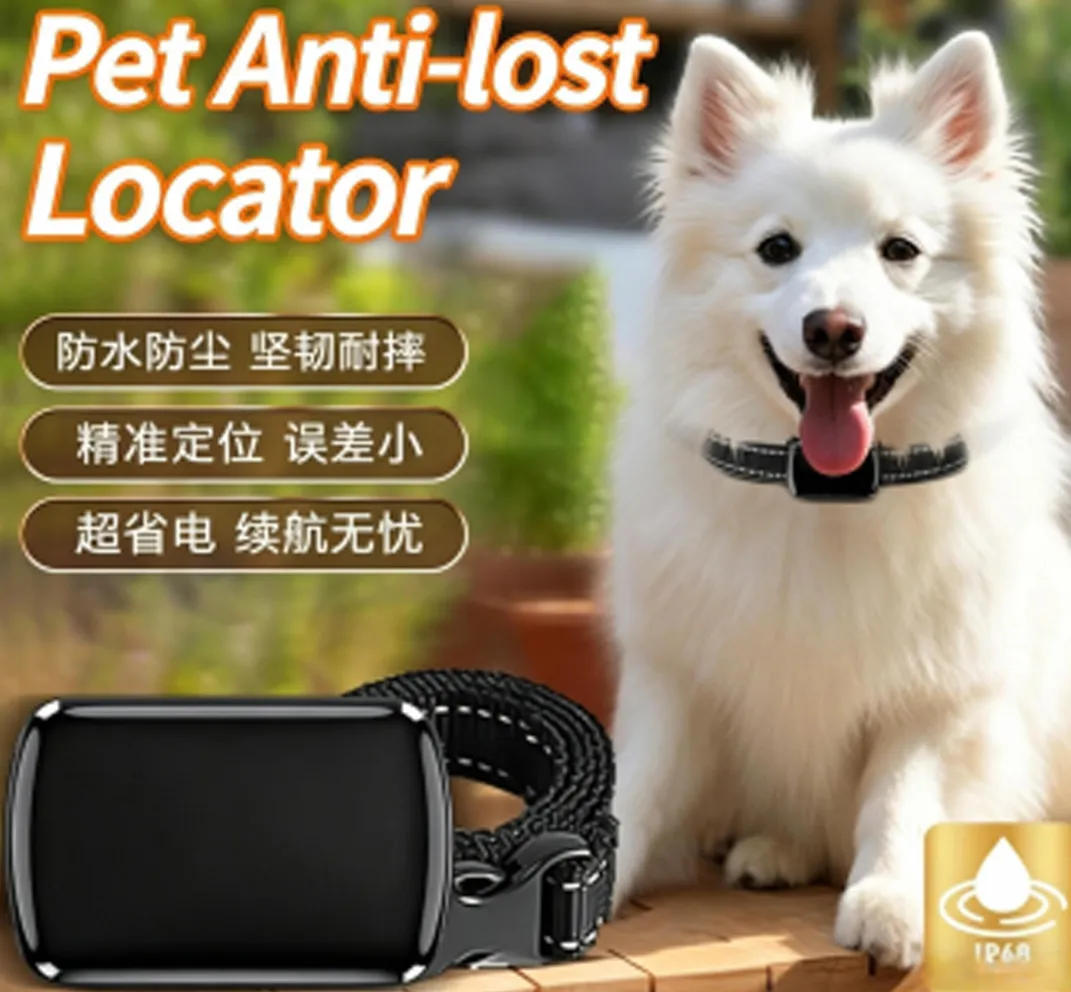
Reptile lighting brands: Need stable, long-life UVB sources to replace traditional tubes. Distribution channels are relatively mature.
Among these four directions, medical phototherapy and plant lighting are larger and faster-growing segments; home beauty therapy is a rapidly scaling consumer market; reptile lighting is the smallest but offers the most stable demand and least competition.
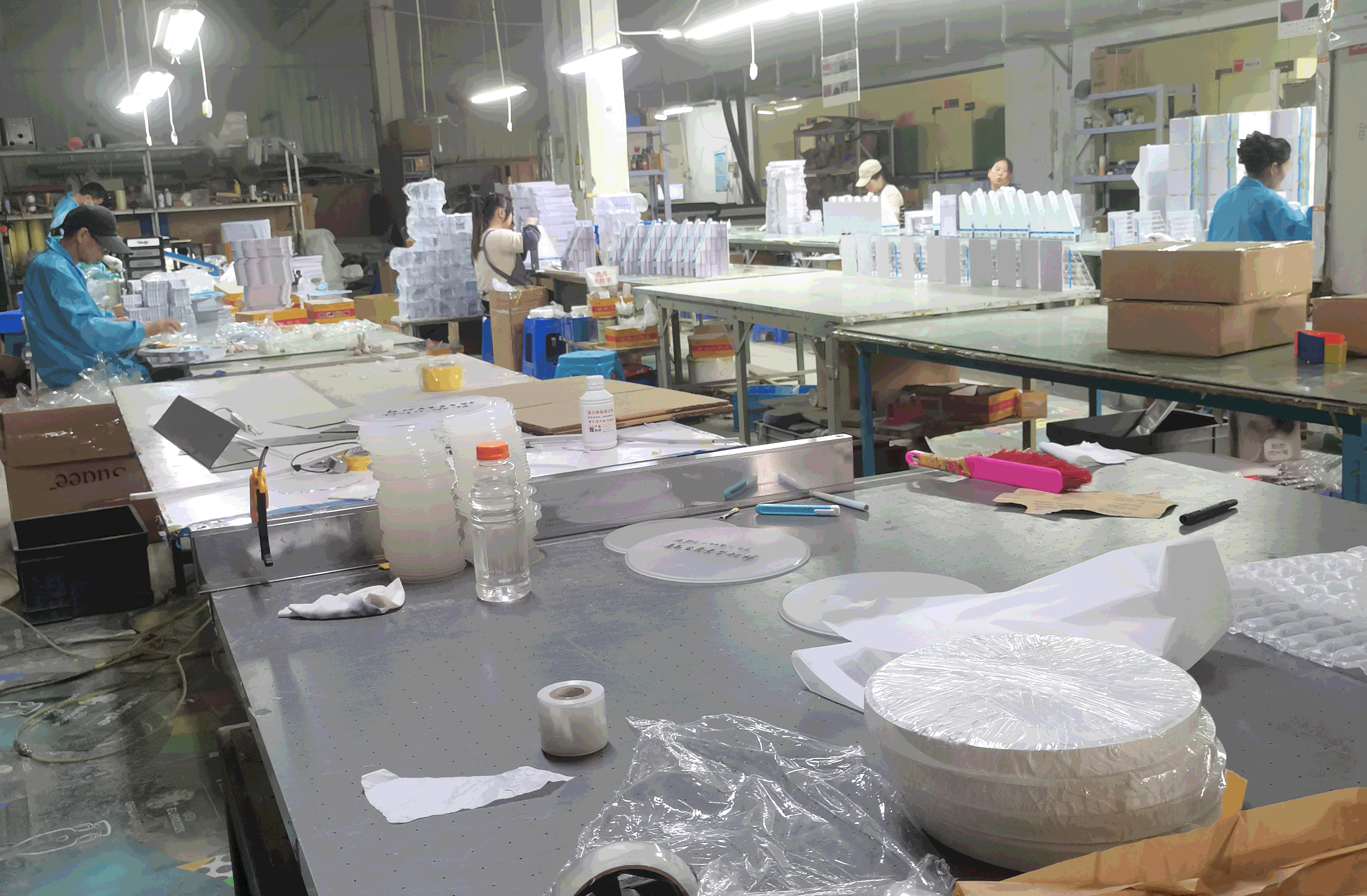
Founded in 2011, LYD Electronics specializes in the R&D and manufacturing of UVC-LED modules. We provide customized UV LED solutions for water treatment, home appliances, medical devices, and smart pet products — with full OEM/ODM support, CE/RoHS/FCC certification, 80% components manufactured in-house, and a 3,000㎡ facility.
liang@lydlighting.com
www.lydlighting.com


 English
 русский
 日本語
日本語 한국어
한국어 français
 Deutsch
 Español
 português
 العربية
 italiano
 Nederland